
Electric bikes are changing how people commute, explore, and stay active. But with their growing popularity comes an important question: Are e-bikes street legal?
The answer depends on where you ride. Laws vary by country, state, and even city. From speed limits to safety gear, the rules can be confusing, especially for new riders and curious buyers.
This guide breaks it all down clearly. We’ll cover e-bike classifications, key laws in major U.S. states, sidewalk and road use, and what features make an e-bike legal in 2025. Whether you’re a rider or a seller, this is the info you need to ride smart.
Understanding how electric bikes are classified is the first step toward knowing where and how you can legally ride. In many regions, especially across the U.S., laws are built around a three-class system. These classes help distinguish e-bikes based on how they operate, how fast they go, and where they’re allowed to ride.
Here’s how the classes break down:
Each class plays a big role in whether or not your electric bike is street legal. The higher the class, the more likely it is to be treated like a vehicle especially in busy cities or states with stricter traffic laws.
So, what does this mean for street use? In most areas:
Before you hit the road, it’s important to know what class your e-bike belongs to. That one detail can make the difference between a smooth ride and a fine.
Wondering if a license is required? Read our guide on e-bike and dirt bike license laws.
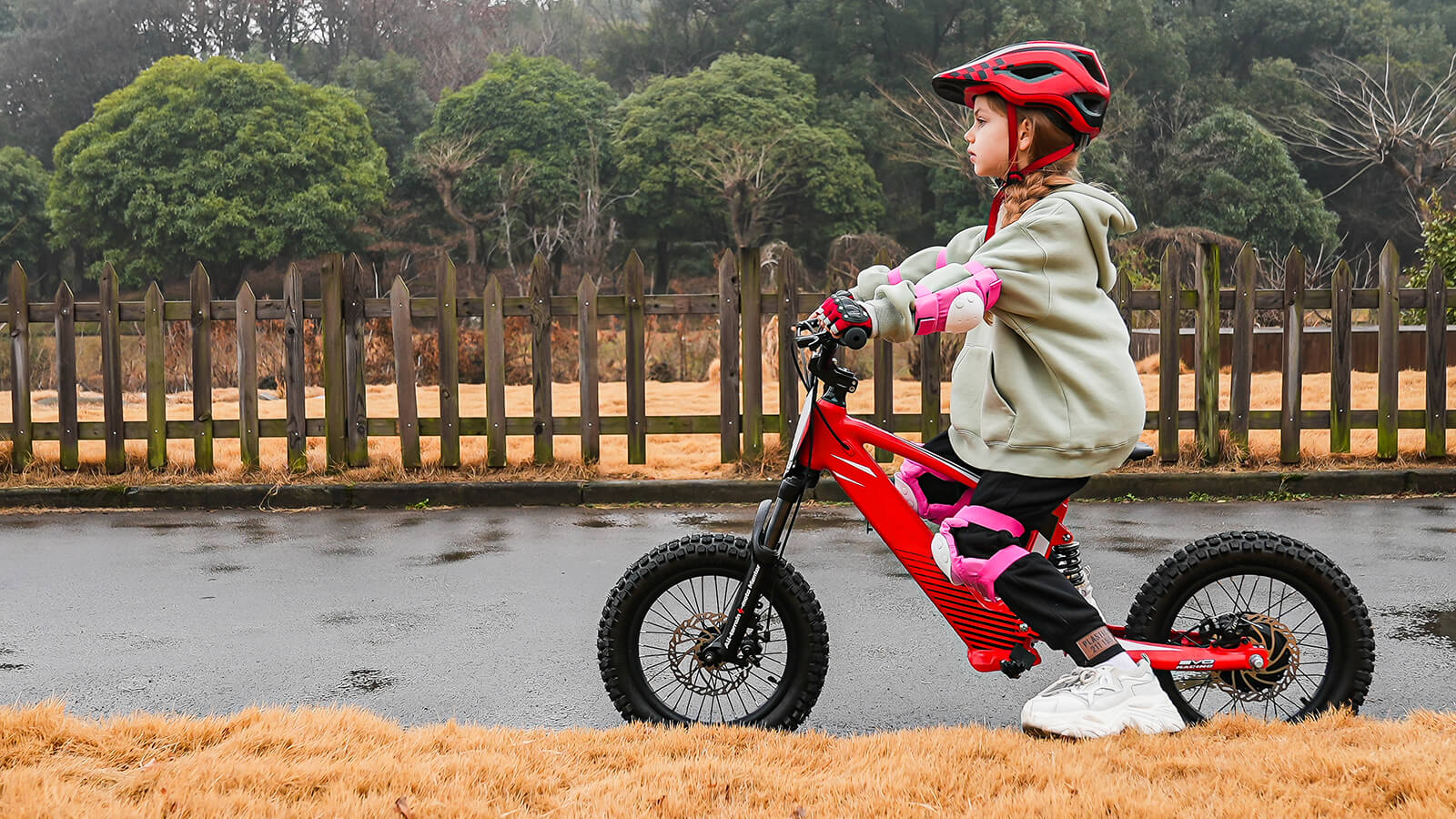
E-bikes are recognized across the United States, but the laws that define how they can be used vary widely by state. While the Consumer Product Safety Act defines a “low-speed electric bicycle” as having a motor under 750 watts and a top speed of 20 mph, that only covers manufacturing, not usage.
Each state sets its own rules for where you can ride, which classes are allowed, and what safety measures are required. Here’s a breakdown of some of the most important state-specific e-bike laws.
California uses the standard Class 1–3 system. Key rules include:
New York recognizes e-bikes, but with specific limits:
Texas has adopted the Class 1–3 system with flexible laws:
Florida treats e-bikes similarly to bicycles:
Pennsylvania is more restrictive:
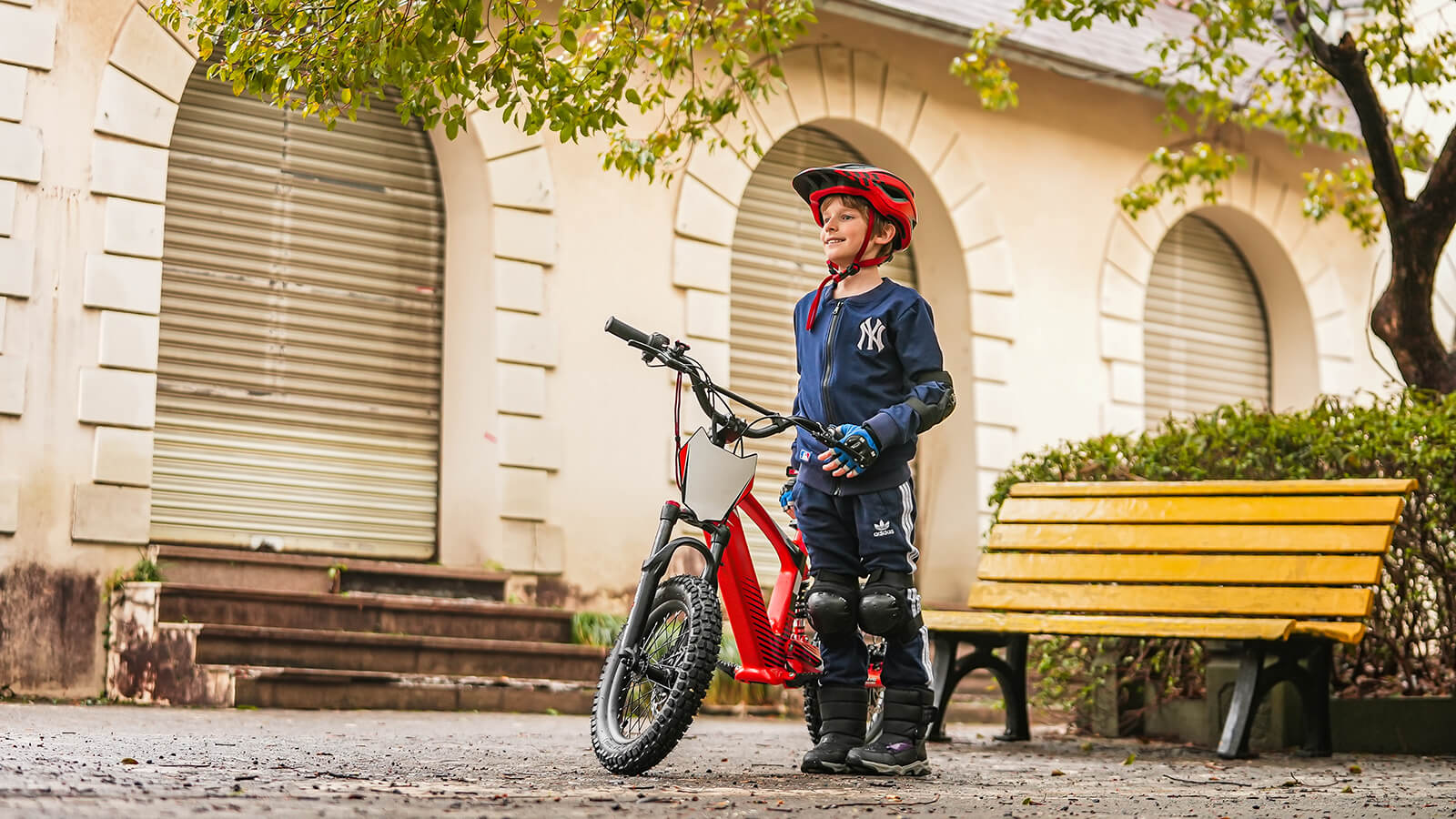
Yes, you can ride e-bikes on most public roads but it depends on the class of your bike and local traffic laws. Street legal e-bikes are generally allowed in bike lanes, on streets, and in some multi-use paths. However, sidewalk riding is where things often get confusing.
In many U.S. states, Class 1 and 2 e-bikes are treated like regular bicycles. That means you can legally ride them on city streets and in designated bike lanes. Class 3 e-bikes, which can reach speeds of up to 28 mph, are usually limited to roads only and may be banned from trails, parks, or mixed-use paths.
Some states require helmets or age restrictions for Class 3 riders. A few cities even post signage specifying where e-bikes are allowed.
Sidewalk laws vary not just by state, but often by city or county. For example:
When in doubt, check local ordinances or look for posted signs. And always ride with caution around pedestrians.

Not all electric bikes are created equal and not all are legal to ride on public roads. To qualify as a street legal e-bike, a bike must meet specific requirements set by your local government or transportation authority.
Here are the most common features that make an electric bike street legal in 2025:
In the U.S., the standard legal limit for an e-bike motor is 750 watts (1 horsepower). The bike must stop assisting when it reaches a certain speed:
Bikes that exceed these limits may be classified as mopeds or motor vehicles and could require a license, insurance, or registration.
Most laws require that a street legal e-bike has functional pedals. This is especially true for Class 1 and Class 3 bikes. Some regions allow throttle-only bikes (Class 2), but this depends on local rules.
Legal e-bikes usually include:
Some cities or states may also require mirrors, especially for faster bikes.
Many U.S. states require the bike to display a manufacturer label that shows:
This label must be visible and permanently attached to the bike frame.
Knowing what electric bikes are street legal helps you make the right choice, whether you’re buying for personal use or building a fleet.
Need help picking the right model? Learn how to choose an electric dirt bike that fits your needs and local laws.

Even if your e-bike meets all technical requirements, it’s still important to stay updated with your local laws. Rules can change from one city to the next, and staying compliant ensures you avoid fines, restrictions, or safety risks.
Here’s how to stay on the right side of the law:
State and city ordinances can change. Use reliable resources like your Department of Transportation or PeopleForBikes’ State Law Guide to stay informed.
Make sure your e-bike has the correct class and wattage label visibly attached to the frame. This helps law enforcement or rental users quickly verify legality.
If you’re selling or lending e-bikes, include clear safety instructions, legal usage guidelines, and any required gear recommendations (like helmets for Class 3 bikes).
By following these steps, you reduce confusion, build trust, and help everyone ride responsibly.
If you operate a bike shop, rental service, or delivery fleet, offering street-legal e-bikes isn’t just smart, it’s essential. Compliant bikes are easier to market, safer to use, and less likely to cause legal headaches.
Here’s why legal clarity matters for your business:
Street-legal bikes that meet state and federal regulations can be sold, rented, or used in more areas without delays or extra permits. This is especially useful for tourism services, college campus fleets, and local delivery.
When customers know your e-bikes follow the law, they feel more confident using them. Clear class labels, helmets when needed, and proper documentation all support a safe, professional experience.
Offering compliant bikes helps protect your business from accidents or legal claims tied to illegal usage or incorrect classification.
If you plan to sell or rent electric bikes, make sure your inventory aligns with the latest regulations in your area.
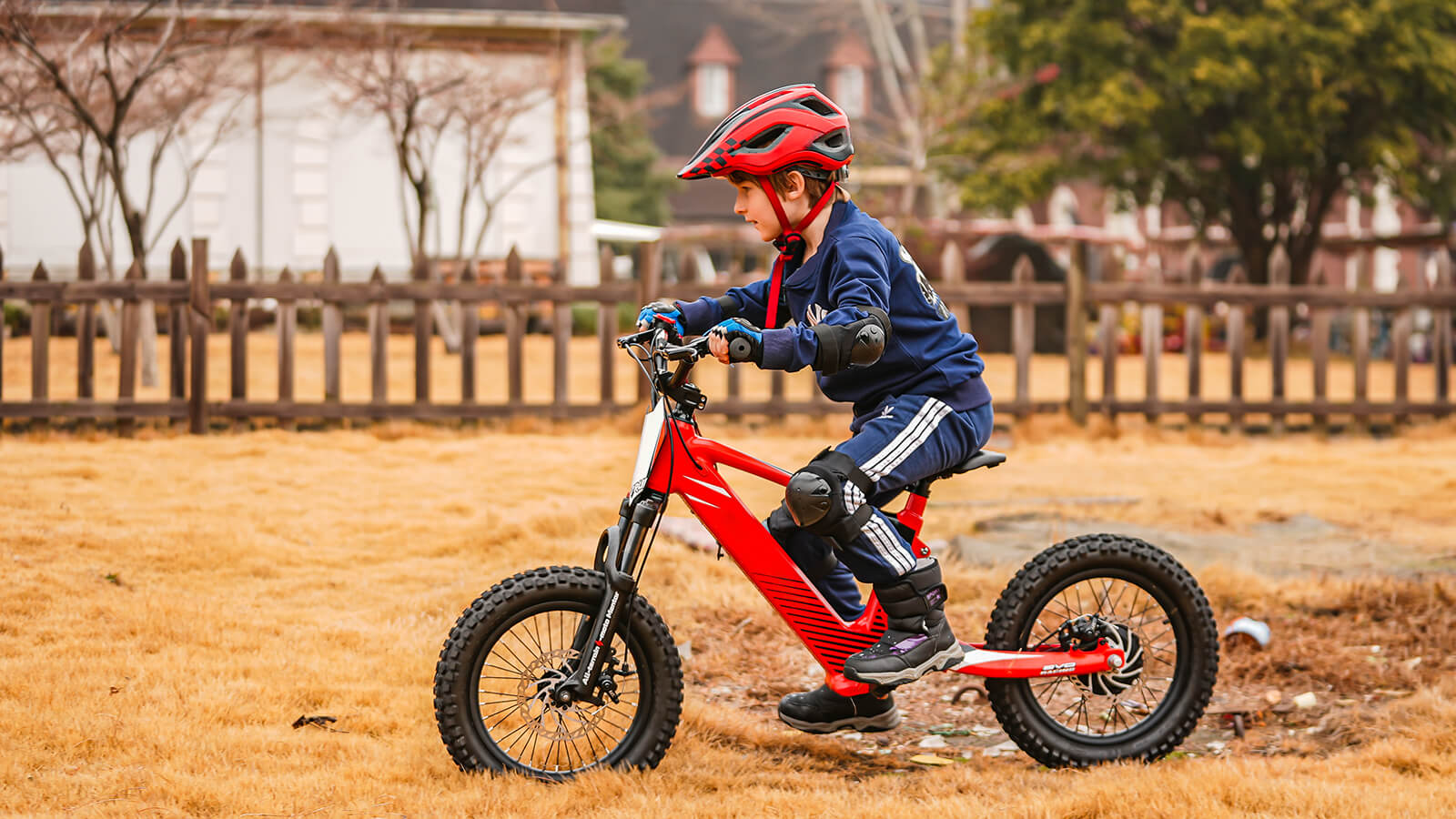
Understanding whether an e-bike is street legal is more than a technical detail, it’s about safety, accessibility, and peace of mind. From motor power to path access, every rule plays a role in making roads safer for both riders and pedestrians.
Whether you’re commuting to work, exploring new trails, or running a rental fleet, staying compliant with local laws helps avoid fines and ensures smoother rides.
Want to explore legal, road-ready e-bikes or find models that fit your region’s rules? Visit Apollino’s catalog or contact our team for help choosing a model that fits your needs.
Yes, many electric bikes are street legal across the U.S. Most states follow a class-based system that outlines motor power and speed limits. Class 1 and 2 bikes are generally allowed on roads and bike lanes, while Class 3 bikes may have more restrictions.
In the U.S., the motor is typically limited to 750 watts. In Canada, it’s 500W, and in the EU, it’s 250W. Exceeding these limits could reclassify your e-bike as a moped or motor vehicle.
Key features include:
For most Class 1 and 2 e-bikes, no license or registration is required. However, higher-powered models or speed-pedelecs may be regulated differently depending on the state.
That depends on your local laws. In general, Class 1 and 2 e-bikes are allowed on bike paths, while Class 3 bikes are often restricted to roads. Sidewalk use is typically banned in urban areas but may be allowed in suburban zones, check local signage or ordinances.
 Get in Touch