When it comes to improving your bike’s performance, changing the dirt bike sprocket ratio is one of the simplest yet most effective upgrades you can make. The right gearing setup can:
So, whether you’re riding for fun or racing motocross, understanding dirt bike gearing is very important. That’s exactly why we have compiled this detailed dirt bike sprocket and gearing guide. Let’s dive in!
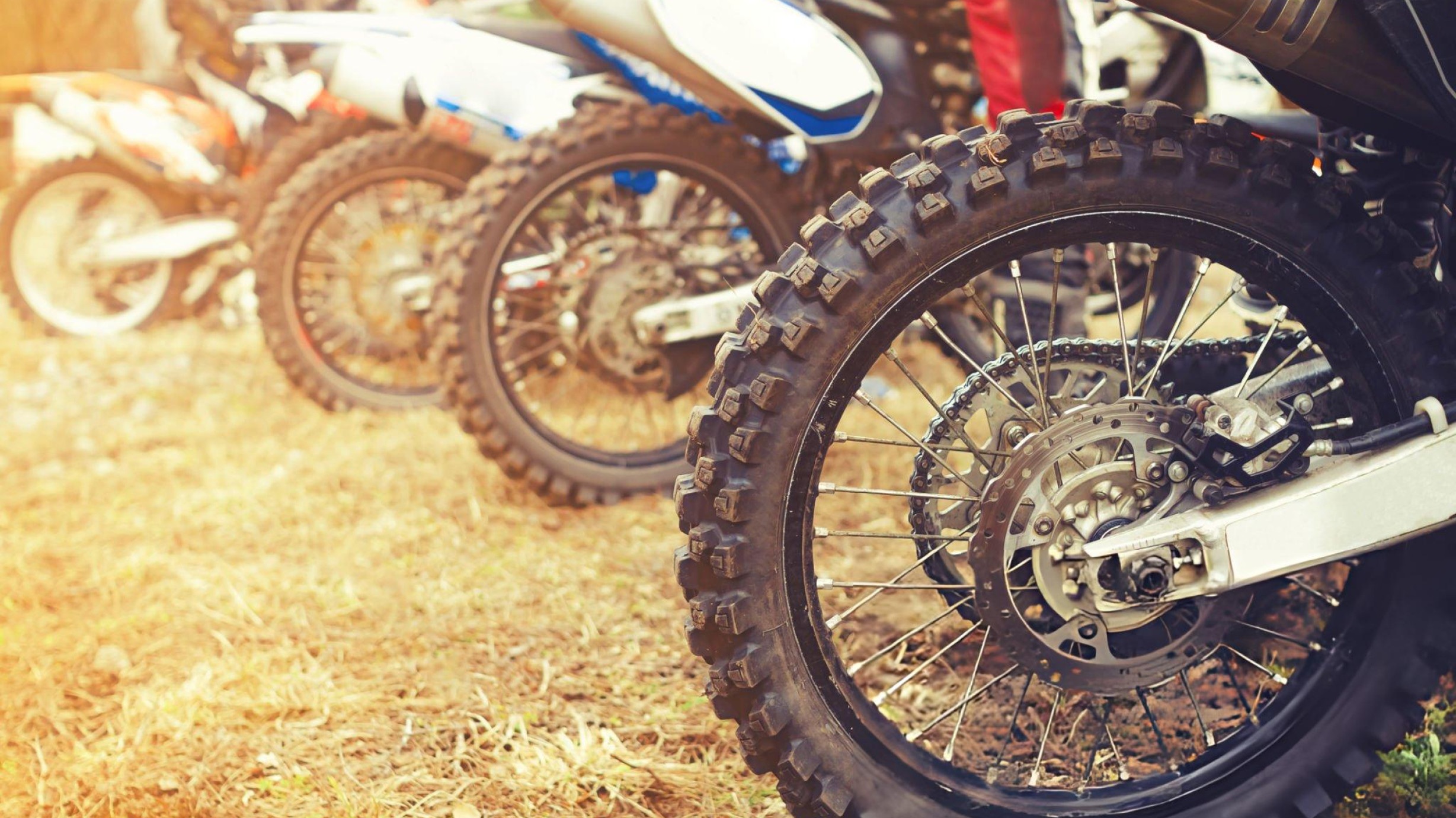
Sprockets are the round, toothed wheels that connect your dirt bike’s chain and transfer power from the engine to the rear wheel. The front sprocket (also called the countershaft sprocket) is connected to the engine, and the rear sprocket is attached to the rear wheel.
Together, they determine the sprocket gear ratio, which controls how power is delivered to the ground.
The sprocket gear ratio is calculated by dividing the number of teeth on the rear sprocket by the number of teeth on the front sprocket. For example, a 13-tooth front and 49-tooth rear sprocket gives you a ratio of 3.77.
Suggested Read: How Many Gears Do Dirt Bikes Have?
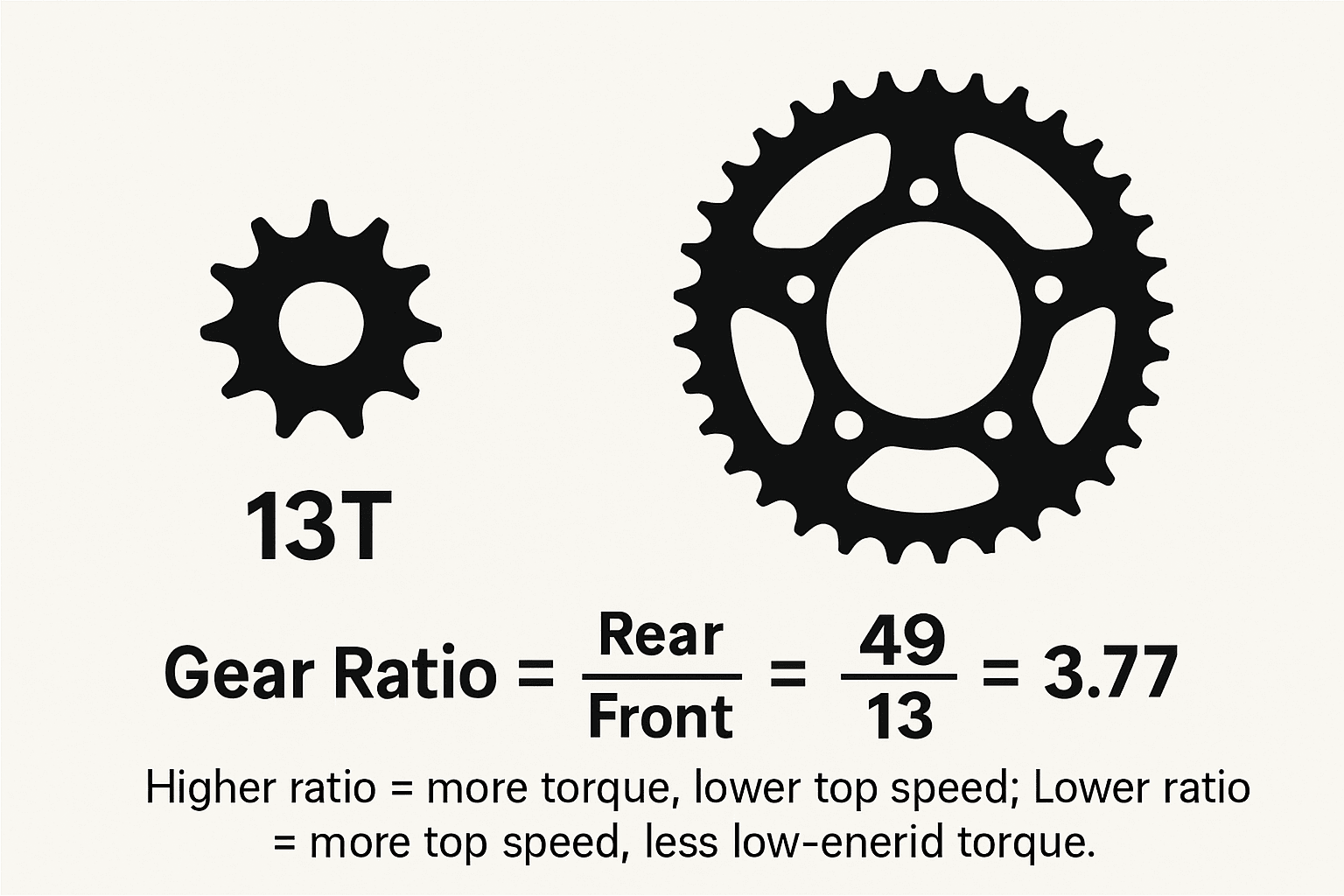
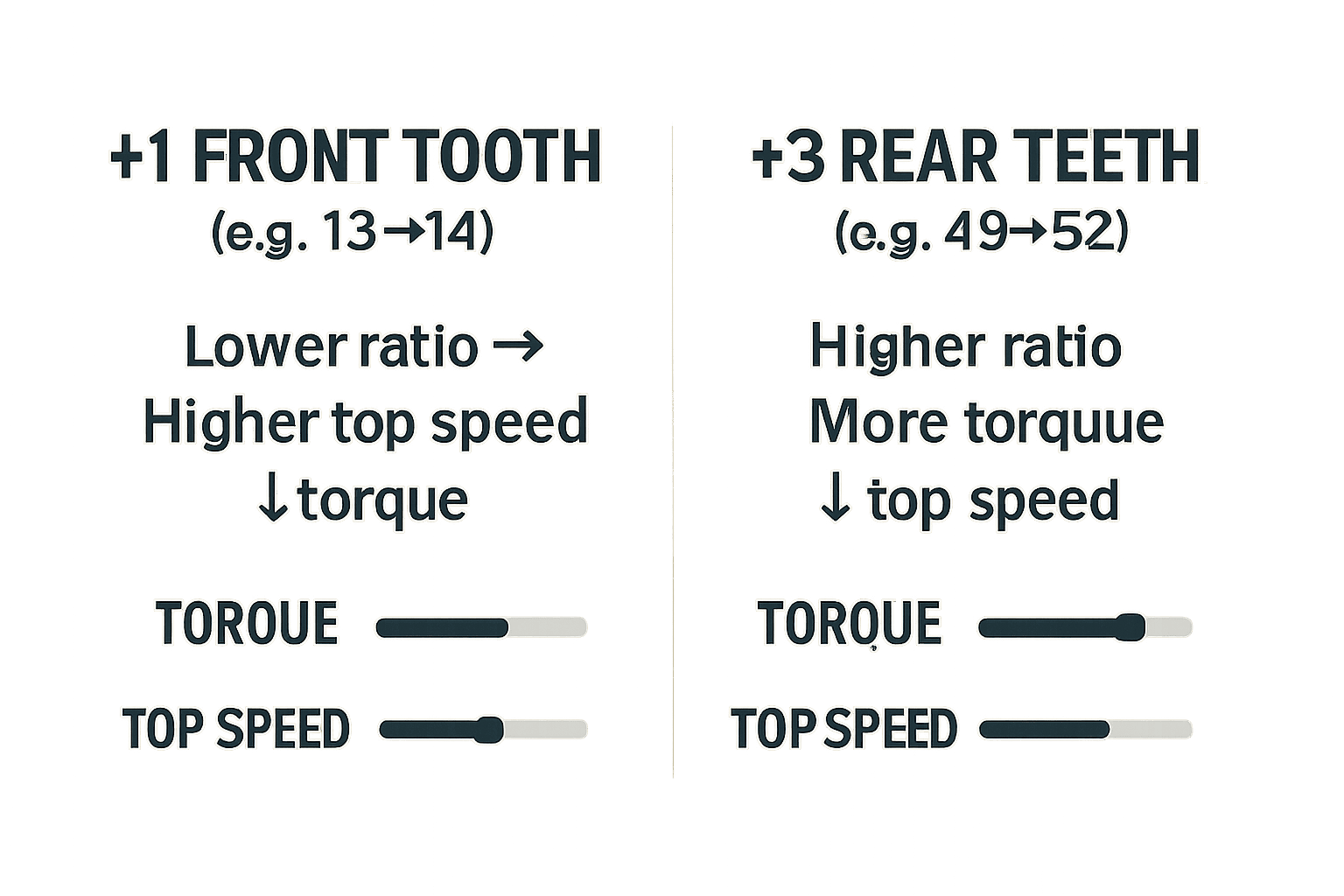
The smallest of changes in your dirt bike gear ratio can make a huge difference in how your bike behaves. Here’s what happens:
However, you sacrifice some low-end torque, which makes the bike feel sluggish at slower speeds or when climbing hills. This setup is best suited for high-speed tracks or open desert terrain where maintaining speed is more important than instant power.
The trade-off is reduced top speed, as the engine reaches higher RPMs more quickly. This setup is ideal for tight trails, technical terrain, or motocross tracks with a lot of stop-and-go action.
The gear ratio essentially changes how the engine’s power is distributed. A higher ratio makes the bike more responsive at low speeds, which is helpful for technical riding or navigating obstacles.
A lower ratio spreads the power over a longer range. This lets you go faster but requires more time to build up speed.
As a general rule, changing one tooth on the front sprocket is like changing about three teeth on the rear. So even small adjustments can fine-tune your bike’s performance dramatically.
Now that you understand how dirt bike sprocket ratio impacts performance, let’s look at what typical gearing setups actually look like in the real world. While exact ratios vary by bike and purpose, there are some common setups that riders often refer to when tuning.
For example:
These examples help you visualize how the sprocket gear ratio directly changes your riding experience. A higher number means better torque for climbing and acceleration, while a lower number gives you more speed and efficiency at higher gears.
If you’re unsure about your current gearing, a dirt bike sprocket calculator or dirt bike gear ratio calculator can help you experiment with different setups before making changes.
Your ideal dirt bike gearing depends heavily on your terrain, riding discipline, and personal preference.
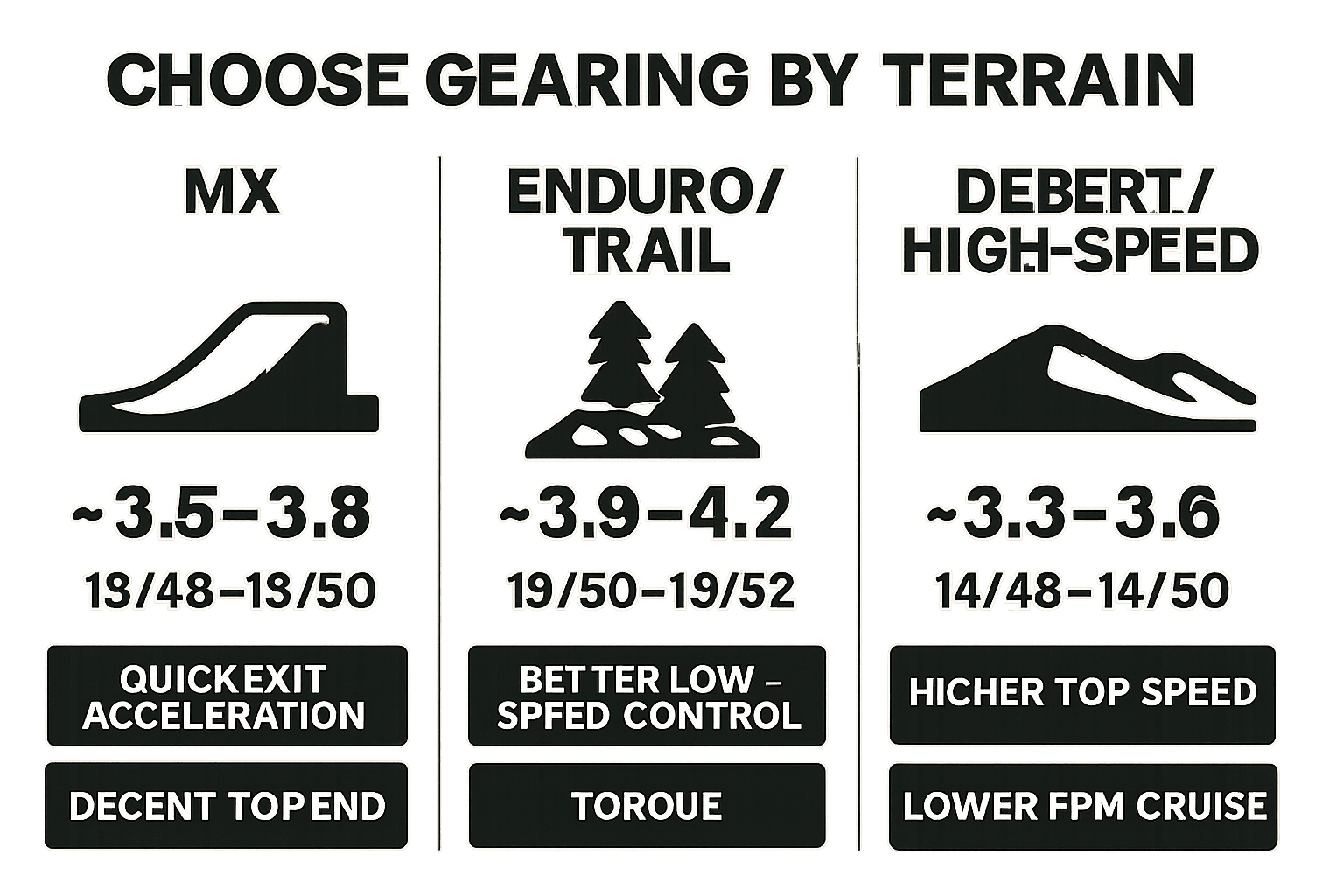
Motocross tracks usually combine straights, jumps, and sharp corners. A moderate sprocket gear ratio in the 3.5 to 3.8 range provides a good mix of torque and speed. This gives riders the ability to accelerate quickly out of corners while still maintaining enough top-end for longer straights.
Trails often include rocks, hills, roots, and tight sections that demand better control and low-speed torque. A higher ratio (such as 13/52 or 13/50) helps you crawl over technical terrain without stalling. The added torque lets the bike respond better at low RPMs, which gives you smoother throttle control.
Open terrain means you’ll want lower gear ratios like 14/48. These setups give you better fuel efficiency and help you maintain high speeds over long distances. With less torque at the wheel, your engine can cruise at lower RPMs, reducing strain and heat.
If you’re new to riding or ride casually, it’s best to start with your manufacturer’s stock setup and adjust as you get more comfortable. If you’re riding different terrains, consider keeping a couple of rear sprockets on hand and swapping them out as needed.
A 250cc four-stroke may benefit from slightly more aggressive gearing for low-end torque, while a 450cc has enough power that it can afford taller gearing. Two-strokes rev higher and may need finer adjustments for responsiveness.
Testing different combinations using a dirt bike gear ratio calculator can help you find the best fit before committing to a new sprocket set. Use a dirt bike gear ratio calculator so you know what to expect before buying new sprockets.
A sprocket ratio chart or dirt bike gearing chart helps visualize how changes in sprocket sizes affect performance. Many riders use these tools to predict how one or two teeth will change their ride. You can find charts online, but here’s a basic example:
| Front Sprocket | Rear Sprocket | Gear Ratio |
| 13 | 49 | 3.77 |
| 13 | 52 | 4.00 |
| 14 | 48 | 3.43 |
Using a sprocket ratio chart is especially helpful when you’re tuning your bike for race day or changing environments.
When changing sprockets, it’s best to also replace your chain. Worn chains and new sprockets don’t mesh well and may wear out prematurely. Regularly inspect your sprockets for hooked or chipped teeth and clean your drivetrain to extend its lifespan.
To maintain your sprockets and chain:
If weight is a concern, especially for racers, aftermarket sprockets made of aluminum or lightweight steel can reduce unsprung weight and slightly improve performance.
To go faster on your dirt bike, it is recommended to use a bigger front sprocket. You can also use a smaller rear sprocket, but a larger front one will always give you better results.
Both types of gearing have different applications. If you want less speed and more force, a higher gearing is suitable. However, if you want more speed and less force, go for lower gearing.
More torque means more force, and lower gear ratios can help you achieve that. However, this will come at the expense of your speed.
Dialing in your dirt bike sprocket ratio is one of the most cost-effective and performance-boosting upgrades you can do. It will make your ride smoother, faster, and more fun.
Whether you are trail riding or racing, it’s really important to know how your gear ratios directly affect acceleration, top speed, and power delivery. We hope this guide has helped you learn that and more!
So, experiment with your setup, use tools like a dirt bike gear ratio calculator, and don’t be afraid to fine-tune as you go. The perfect gearing setup is out there – it just takes a bit of trial, error, and the right knowledge to find it. Good luck!
 Get in Touch