Sports lovers don’t just enjoy the game; they live for the rush. They love the thrill of speed, the noise, and the heat of competition. They can pursue it in various forms, such as fencing, drag racing, kickboxing, or paragliding.
Anyone who enjoys both chaos and control simultaneously should check out motocross. It’s not just about riding; it is a full-body workout. It demands strength, stamina, mental grit, and lightning-fast reflexes. One blink too long, and you are out.
This is you, your dirt bike, and a brutal trail with no traffic signals. Remember, there are no rules, and no smooth rides – just raw terrain and wild turns. Every inch of the track demands something from you, from jumps and slopes to ditches and tight curves. If you’re a beginner wondering how to get into motocross, remember that one small mistake can cost you a lot, as someone else takes the lead.
Motocross is growing in the United States at a sheer pace. In 2024, Supermotocross drew an average of 502,000 viewers per event, representing a 26 per cent increase compared to the previous year. The Washougal Pro Motocross race hit 1.1 million viewers in July, the biggest crowd since 2021. Stadiums are packed too. Over 855,000 fans attended Supercross, and total viewership across TV and streaming platforms reached 7.2 million.
So what is stopping you? It is time to throw yourself into the dirt, the madness, and the thrill at the same time. Let’s break down how to get into motocross.
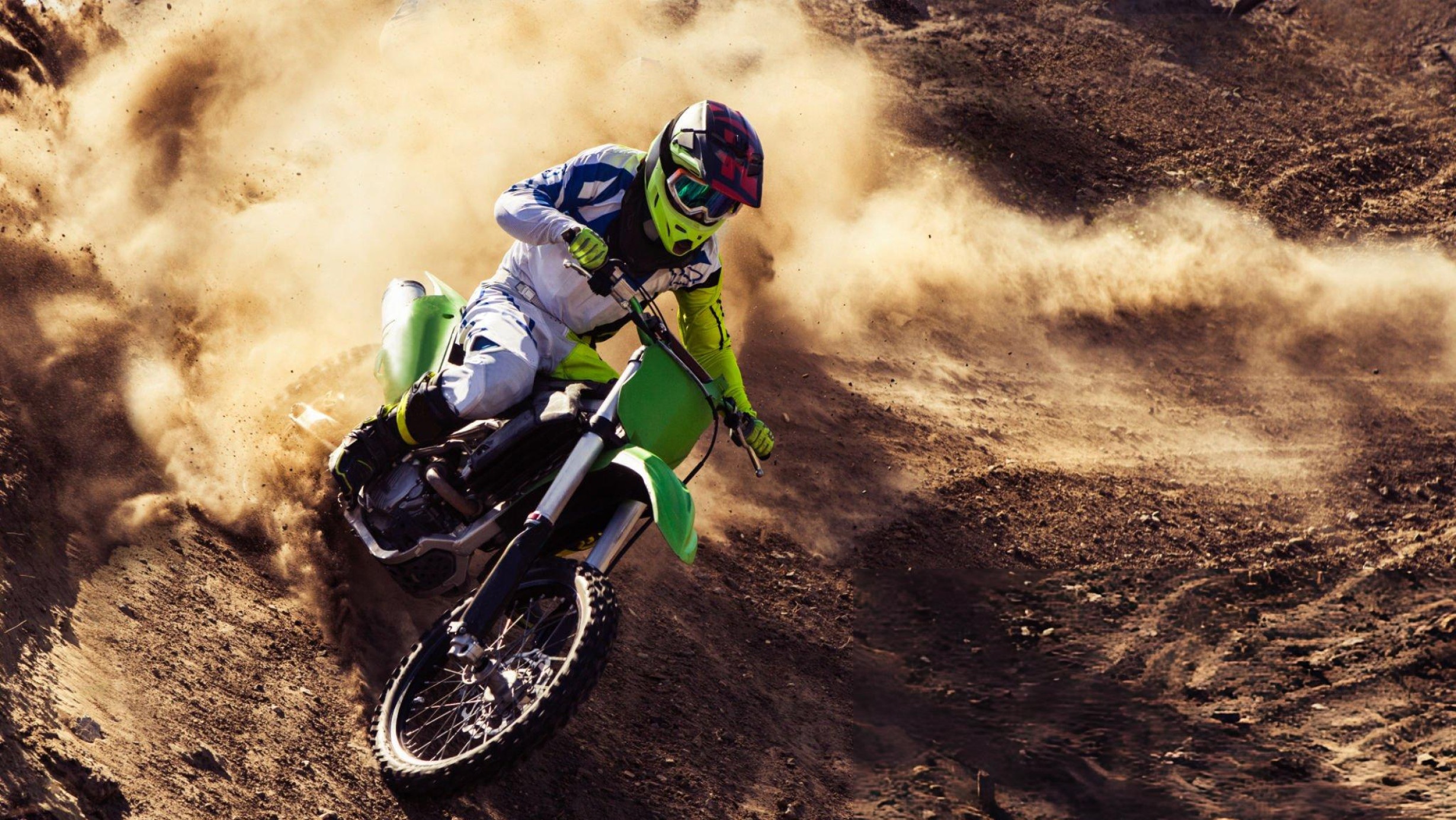
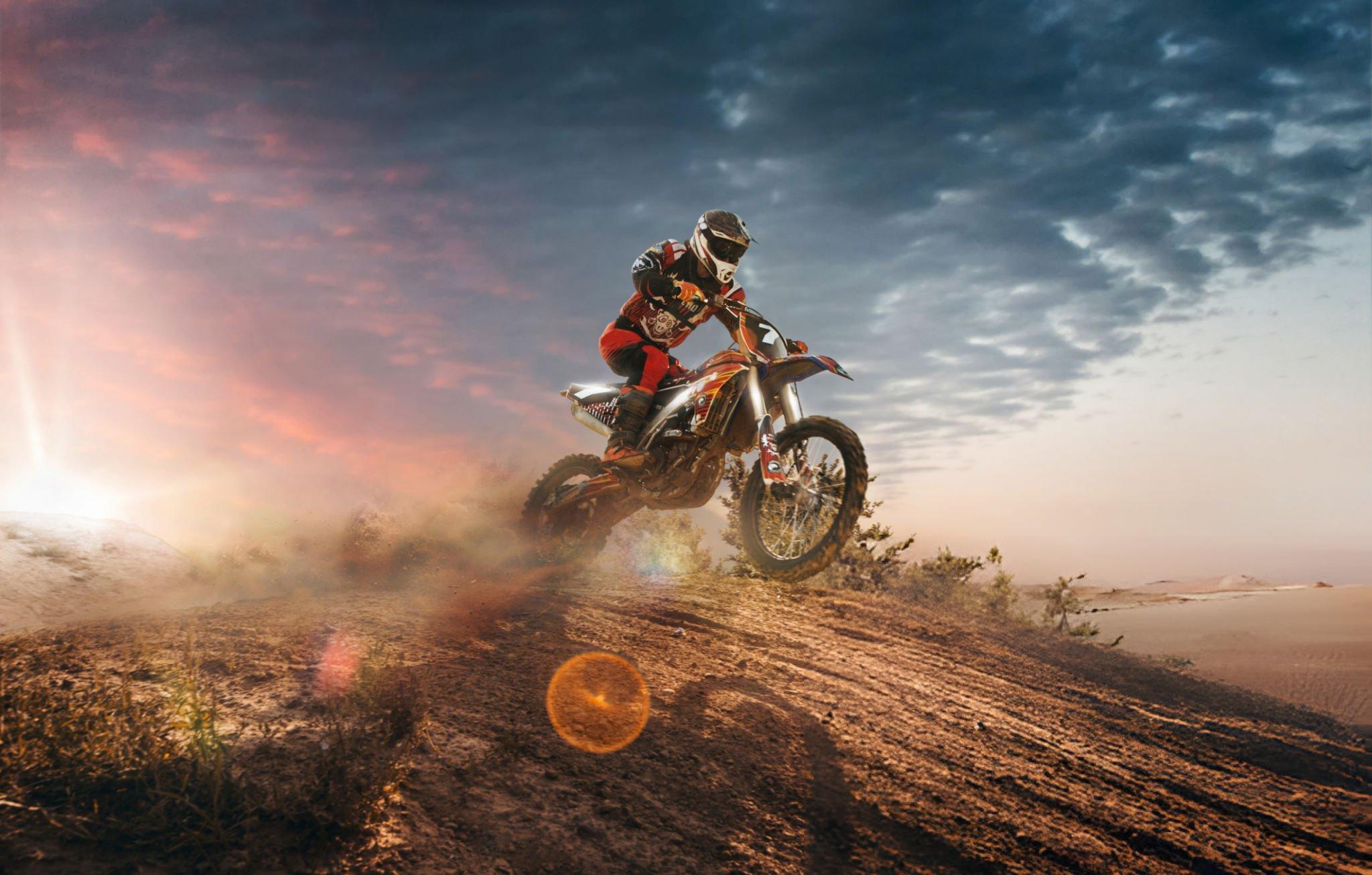
Motocross is an off-road motorcycle racing that tests your limits on controlled circuits. This is specially designed with jumps, hills, slopes and sharp turns. These tracks are not paved. Do remember that the chances of predicting the next turn or its smoothness are pretty slim. The mx bike racing is hard and intense. This requires strong focus, quick reflexes, and physical toughness throughout the event.
A common confusion regarding motocross is that it’s similar to dirt biking. That’s not exactly true. If you are considering a dirt bike race, remember that there is a clear difference between the two. Dirt biking is a more relaxed activity. It is often done for enjoyment on trails or in the woods. Motocross is a structured sport with organised races, rules, and serious competition. To learn more about the different types of dirt bikes and their specific uses, check out our Complete Guide to Dirt Bike Types.
This sport was introduced in the early twentieth century in England, when motorcycle trials evolved into dirt bike motocross racing across the countryside. It began as a scattered contest on rough ground but has now grown into a global sport with proper tracks and elite athletes. The bikes have become faster, and the tracks more technical. For anyone new to motocross, it’s helpful to understand how far the sport has evolved and how competitive it’s today.
Motocross has a strong presence worldwide, particularly in countries like the United States, France, and Australia. The game is gaining huge popularity as its fan base continues to grow. It encompasses both traditional motorsport enthusiasts and a younger crowd that loves action and speed.
If you are thinking about starting your motocross journey, you have to understand the sport first. Motocross is not just a race. It is a full-blown sport with several event formats. Each has its own pace and demands. The most common ones include traditional motocross, Supercross, Arenacross, and Freestyle motocross. Motocross races happen outdoors on long, rugged tracks. Supercross takes place inside stadiums with tighter layouts and sharper jumps. Freestyle motocross skips the race and focuses on aerial stunts along with creativity.
This variety keeps fans engaged and provides riders with different paths to compete.
In countries such as the United States, France, and Australia, motocross events attract large crowds and also secure substantial sponsorships. Global championships, such as the FIM Motocross World Championship and the AMA Supercross Championship, have the most impressive talent. This is why they have set high standards for competition.
What makes motocross thrilling? It’s the combination of raw speed and technical control. Fans love the intensity and unpredictability of the race. No two laps ever feel the same. During the race, riders fight through exhaustion, mud, and machine failures. This sport delivers real action and high-stakes drama from dirt bike race start to finish. Whether you’re watching from the stands or dirt bike motocross racing through a tight corner.
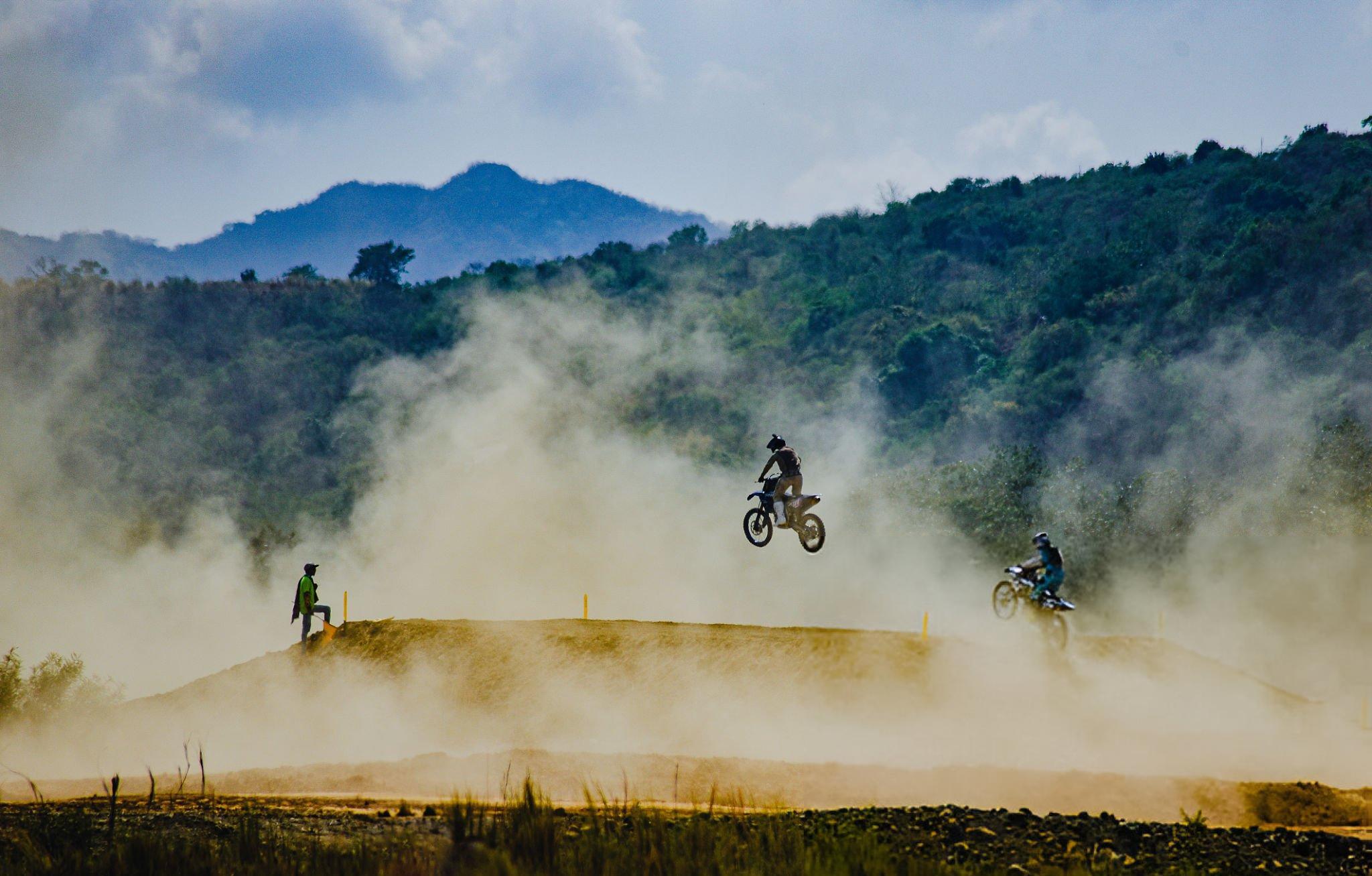
There are multiple reasons why motocross is worth trying, and how to be a good motocross rider. However, the three primary reasons include:
Motocross challenges your body more than most sports. Riders hit heart rates close to their max and stay there for the entire race. It usually lasts around thirty minutes. That kind of effort builds real cardio fitness in no time.
Your legs, arms, core, and back do a full shift as you hold your balance, fight the bumps, and keep the throttle steady. One study even showed that motocross burns up to 600 calories in just 30 minutes. That is a serious workout without stepping into a gym.
Lower body strength makes a huge difference on the track. Riders grip the bike hard with their legs and absorb every jolt with their muscles, not their bones. There is no sitting still. Your whole body stays alert and ready, from the first corner to the last jump.
Many riders claim that it helps them clear their minds and manage stress more effectively. The rush of handling a powerful bike on rough trails releases tension fast and keeps your brain sharp.
This sport builds more than muscle. It forces you to believe in yourself. You ride into jumps, land rough, and take tight turns without anyone holding your hand. That kind of riding builds a different kind of confidence. You stop second-guessing. You start trusting your skills. Every small win on the track reminds you that you can handle more than you thought.
At first, it was just rough, bumpy fun with no real rules. Now it’s a full-blown sport with serious tracks, professional athletes, and bikes that can reach speeds of over 150 km/h. The courses are more challenging, and the competition is intense. If you’re curious about entering the world of motocross, it helps to know just how far the sport has come.
You’re not alone in this. Local tracks, online groups, and motocross clubs are full of people who ride for the same reasons you do. You meet others who share your highs, your crashes, your wins, and your learning curve. Some become close friends. Others become rivals who push you to ride harder.
You’ll find people ready to help. They offer tips, suggest gear, and share stories that you’ll never forget. Forums on Reddit, groups on Facebook, and Discord chats make it easy to connect. And when you meet riders in real life, it feels like you already know them. You ride together, learn together, and grow together. That’s the kind of support that keeps people coming back, ride after ride.
Getting your first dirt bike race feels exciting, but don’t just walk into a shop and buy the flashiest one you see. There’s more to it than looks or price tags. Start by determining the engine size that suits your skill level. Smaller engines, like 125cc or 250cc, are easier to handle if you’re just starting.. They give you enough power to learn without throwing you around. Bigger bikes may sound tempting. These need experience and strong control to be managed properly.
Your height and weight also matter. A bike that is too tall or too heavy will tire you out fast. It messes with your confidence. When you sit on the bike, your feet should touch the ground without stretching. That simple test can save you from a ton of issues later on. If you’re choosing a bike for your child, check out this youth dirt bike sizing guide for tips on finding the perfect fit.
Brands play a role, too. You have to stick with the trusted dirt bike manufacturers. Yamaha, Honda, KTM, Suzuki, these brands make bikes built for real riders. They are not just showroom flash. They’re easier to maintain. You will always find parts when you need them.
Don’t just go for what someone else rides. Find a bike that suits your body and needs. It should also align with your riding goals and learning curve.
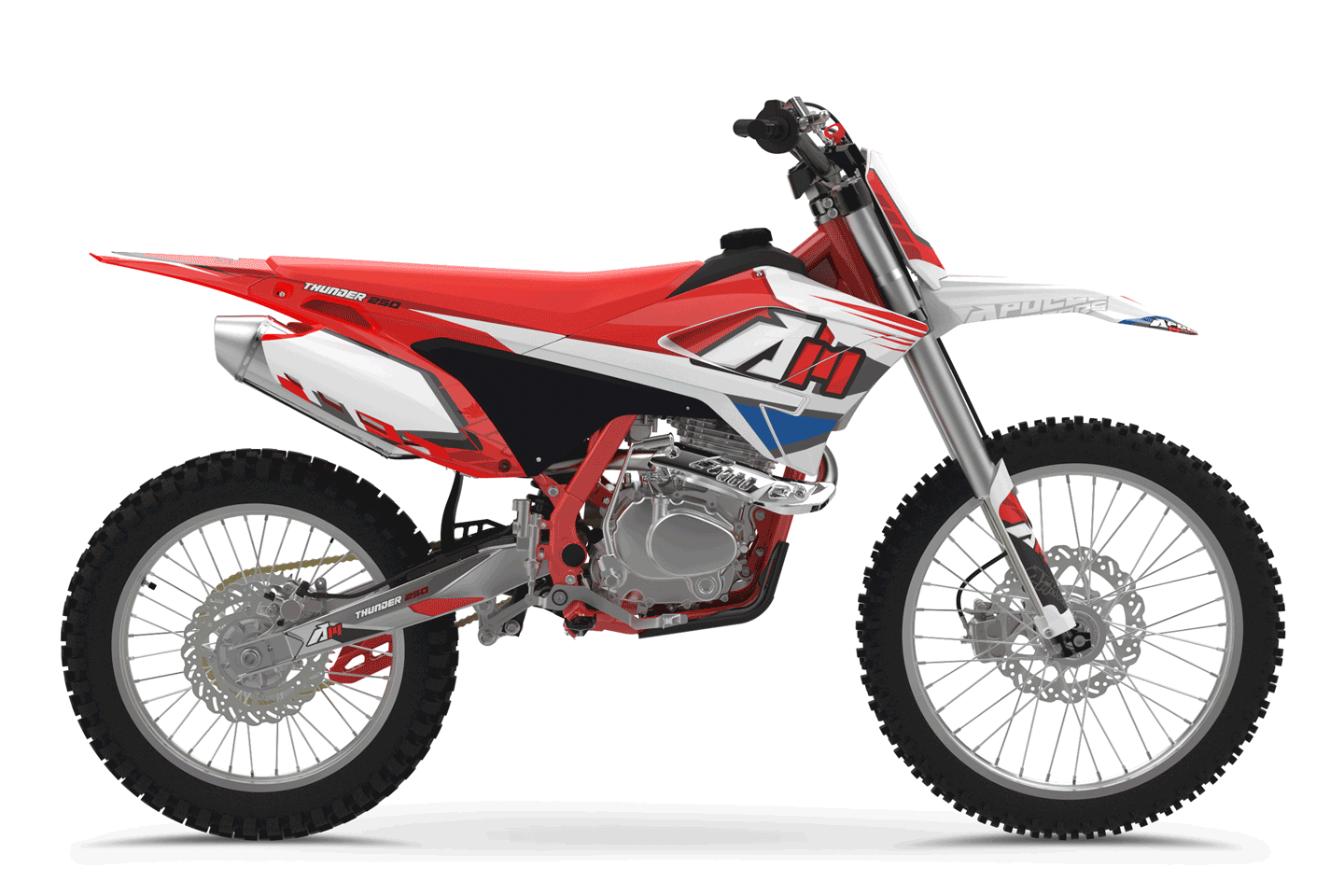
When you are searching for how to be a good motocross rider, you have to avoid some mistakes as a whole. One of the biggest mistakes new riders make is buying a bike that’s too advanced. You don’t need a race car, level suspension, or top-end horsepower to start learning. Overspending on features you won’t use only makes riding harder. It makes the experience more stressful. You should start simple. You’ll enjoy the ride more. Your skills will grow faster.
Another red flag is ignoring the bike’s condition. If you’re buying used, always check for signs of wear. Ask about the maintenance history. Look at the tires, brakes, chain, and suspension. A clean-looking bike isn’t always a well-maintained one. You should take your time. Ask questions. And never buy without starting it up and hearing how it runs.
Do remember, choosing right from the beginning sets the tone for your whole motocross journey. Make it count.
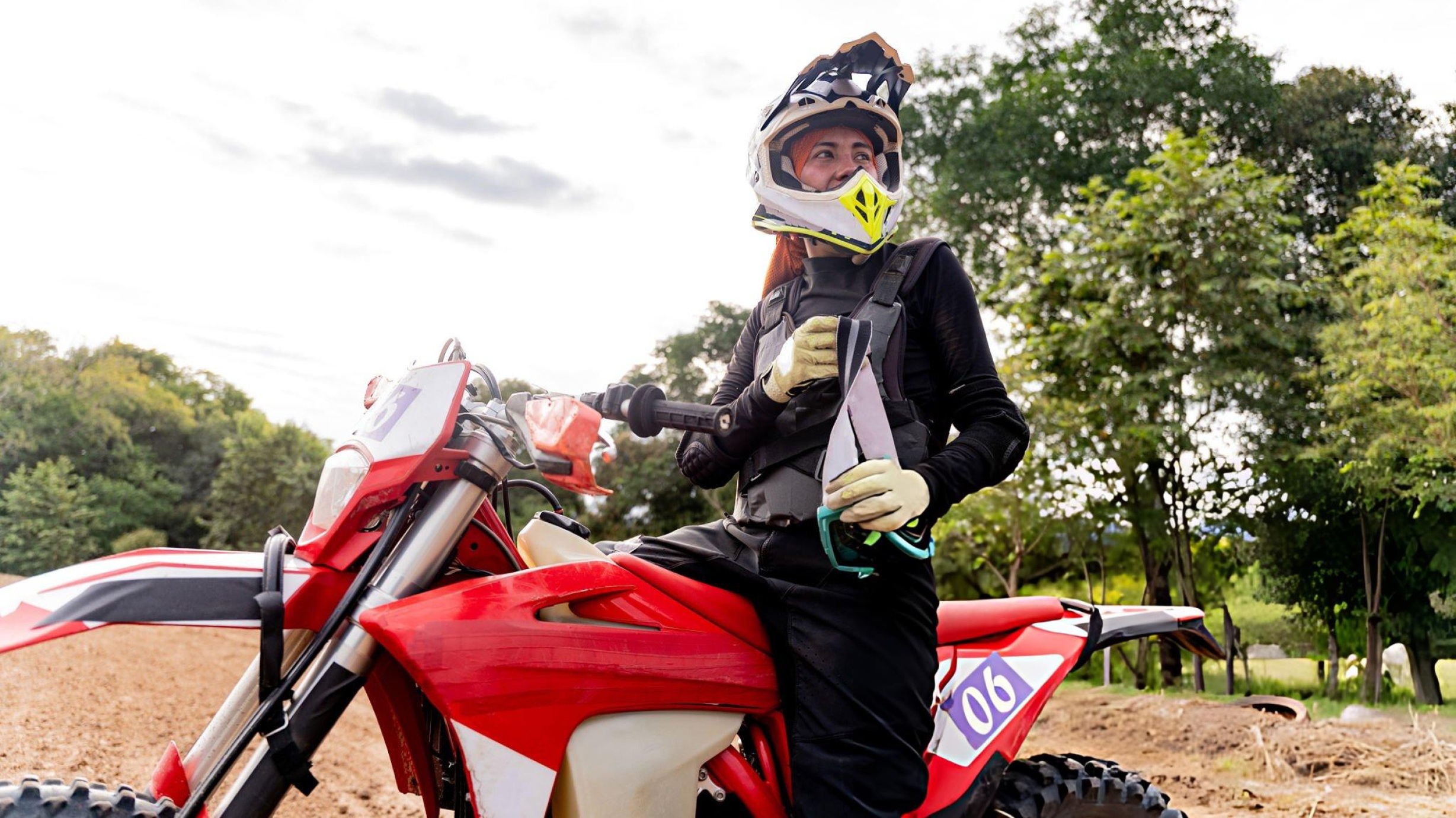
Before you even think about hitting the dirt, gear up. Motocross isn’t just about speed. It’s about staying safe while you learn the ropes. Keep in mind that crashes happen. Jumps go wrong. Bikes can land weirdly as well. So wearing the right gear is non-negotiable.
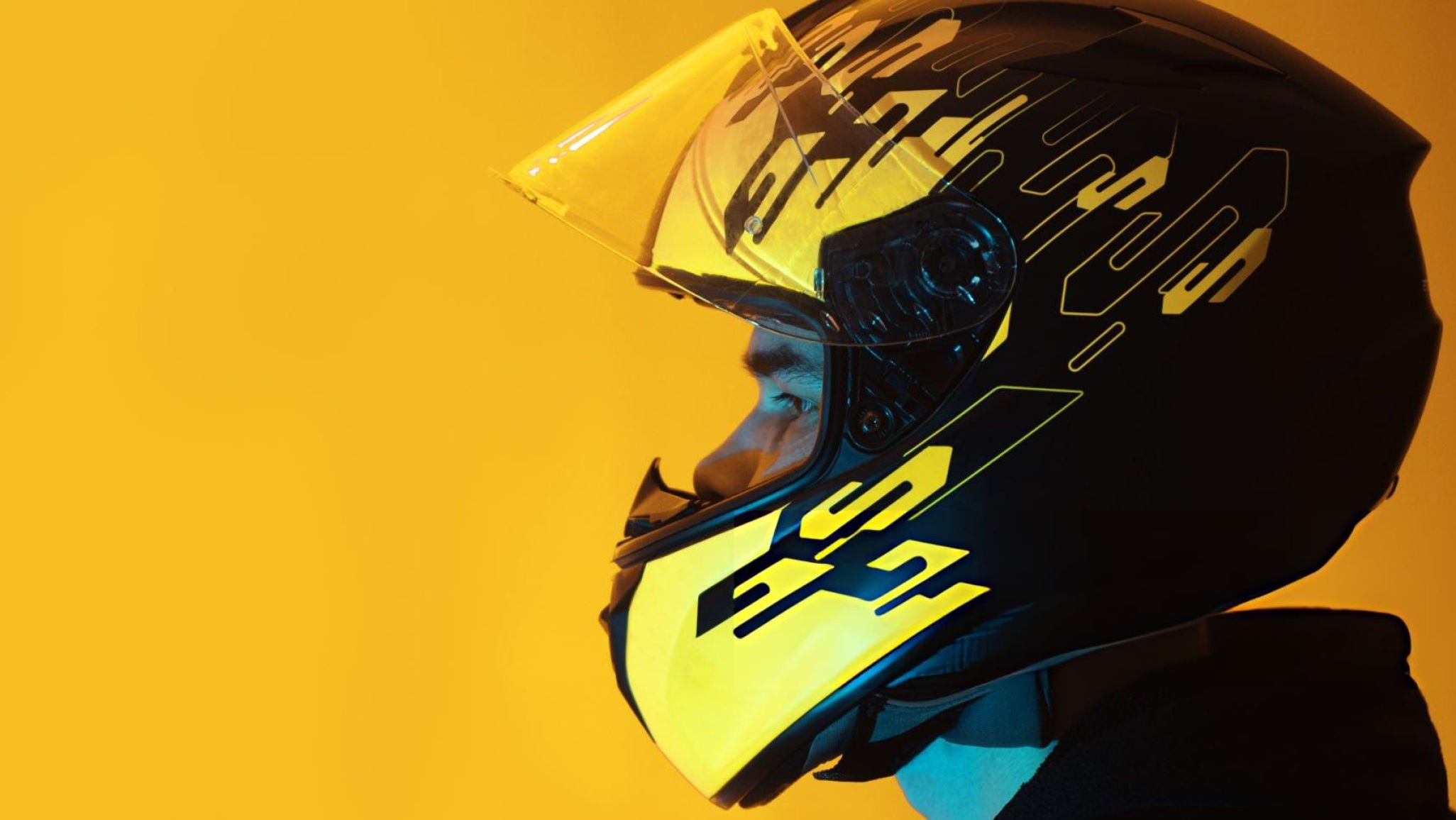
You can start with a DOT-approved helmet. No shortcuts here. It should fit snugly but not be too tight to crush your head. Next, you have to get goggles. Your eyes need full protection from dust, rocks, and flying debris. After that, focus on a chest protector and neck brace. These two can save you from serious injury if you fall hard.
Don’t skip knee and elbow guards. They take most of the impact during spills. Boots matter too; regular shoes don’t cut it. You want boots that support your ankles and protect your shins. Gloves round out the basics, helping you grip tightly and shield your hands.
Every single piece of gear exists for a reason. You can ride smart and ride safe!
When you’re starting out and need basic guidelines on motocross learning for beginners, it’s easy to feel overwhelmed by the options and price tags. You don’t need everything of top quality on day one. You have to just focus on the essentials first: helmet, goggles, gloves, boots, and a basic chest guard. These items protect your most vulnerable spots and help you ride with full confidence.
You have to set a budget and stick to it. Look for bundles or used gear in good condition. Many local shops and online forums offer deals that save money without cutting corners. Keep in mind that whatever you buy should fit well and meet safety standards.
You can always upgrade later as your skills improve with time. At first, your goal is protection, not perfection. You should only get what works, get out there, and start riding.
Jumping into motocross without training is like showing up to a test you never studied for. It doesn’t end well. The smart move is to find a coach or sign up for a course. You will save yourself from injuries, bad habits, and wasted time.
There are plenty of local tracks that offer beginner classes on how to ride a motocross bike. Some run weekend programs. Others do full-day boot camps. Instructors can break down the basics and guide you through drills. That kind of hands-on learning builds your confidence fast and quickly. Interestingly, online courses and video tutorials help. Nothing beats having a real coach watch you ride and provide direct feedback.
You also ride with people at your level. That keeps things less intimidating and more focused. A structured setup means you’ll learn how to start, stop, shift, and jump in a controlled way. You won’t just ride better, you’ll ride safer. And as you progress, learning How to Adjust Your Dirt Bike Suspension for Best Performance? can give you a smoother and more controlled ride. When you’re trained, the track isn’t scary. It’s fun.
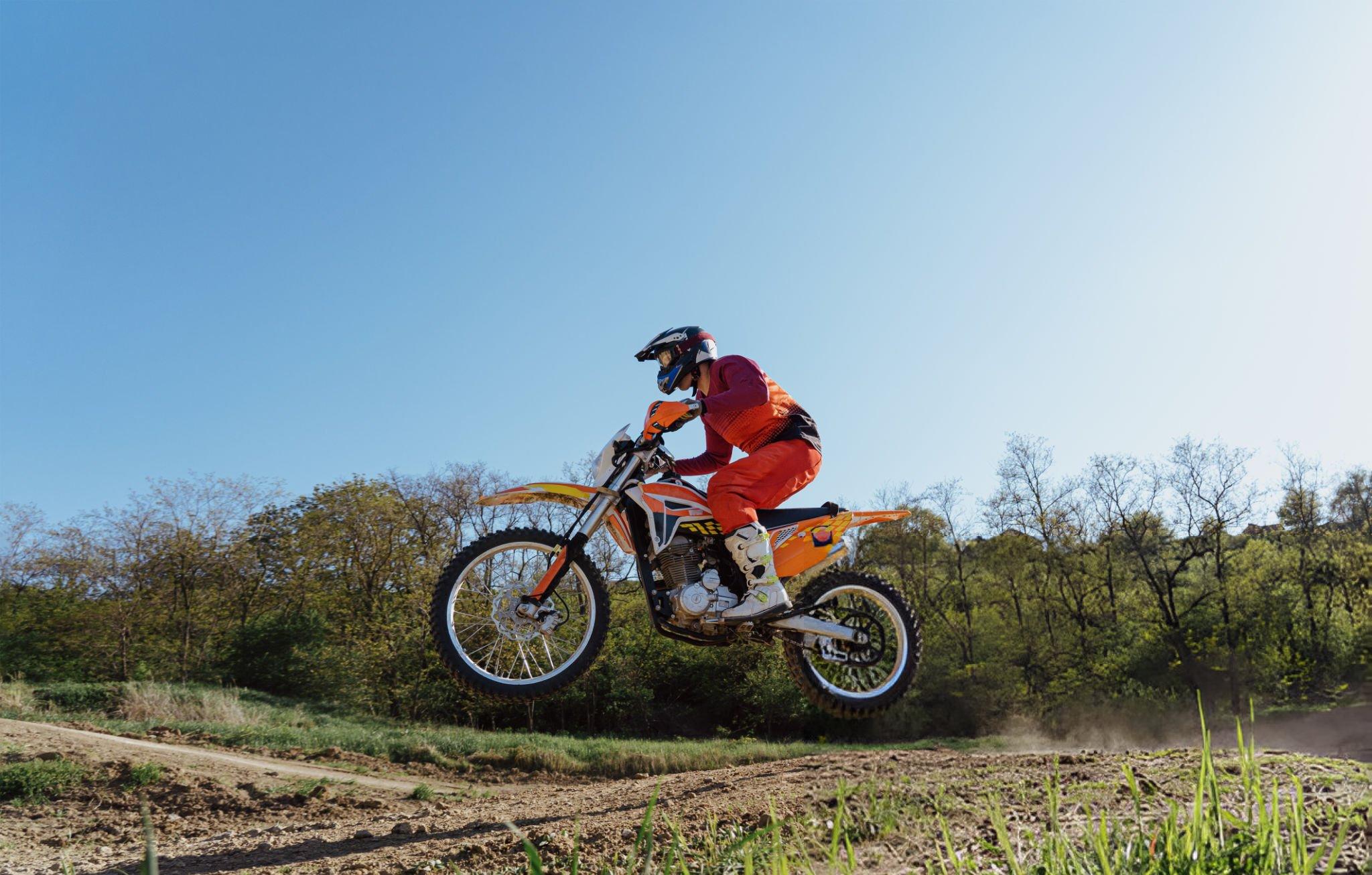
Before you think about motocross bike racing, you have to understand the fundamentals. That includes throttle control, body positioning, braking, and line selection. These skills work as the foundation of every good rider. Mess those up and you’ll struggle no matter how fast your bike goes.
Track rules are another big one. Every motocross track follows a system. Flags tell you what’s happening: slow down, danger ahead, clear to go. You need to recognize each one instantly. Safety signs matter too. Some spots are off-limits, some are only for advanced riders. Miss those, and you’re putting yourself and others at risk.
This is crucial for beginners in motocross learning to practice frequently, remain patient, and continue learning. That’s how riders level up with the passage of time. Not by going faster, but by getting smarter.
If you want to get good at motocross, you have to ride a lot. That means finding the right places to practice where you’re not in over your head. Do remember, many tracks have beginner-friendly days or sections designed for new riders (basic level). These areas allow you to focus on your technique without worrying about faster riders passing you by. Different terrains require different techniques—and having the right tires can make all the difference. For tips on choosing the best tires for specific tracks and conditions, take a look at this dirt bike tire selection guide.
You can ask around at local dealerships or motocross shops. They usually know which spots are good for learning. Public trails work too. Make sure they are legal and safe for your first dirt bike race. Riding clubs are another good option. Some do offer memberships that include track access, group rides, and training sessions.
When you ride with a local crew, you get advice and encouragement. Sometimes, even free tips from experienced riders. That makes the learning curve smoother and more fun. You won’t feel like you are doing it all alone.
Riding without goals is like going to the gym and lifting random weights. You need a plan. Start with something simple, like nailing your body position in corners or learning how to handle a small jump. Focus on one skill each session. Don’t try to master everything at once.
You can keep a notebook or phone log of what you worked on, what went right, and what needs more time. Progress becomes way more obvious when you track it. Even small wins keep you motivated.
You have to stick to a schedule. It doesn’t have to be daily, but it should be consistent. Keep in mind that Improvement comes from steady practice, not one-off rides. You have to ride smart, ride often, and set goals that push you just a little bit each time. That’s how you level up your skill and game.
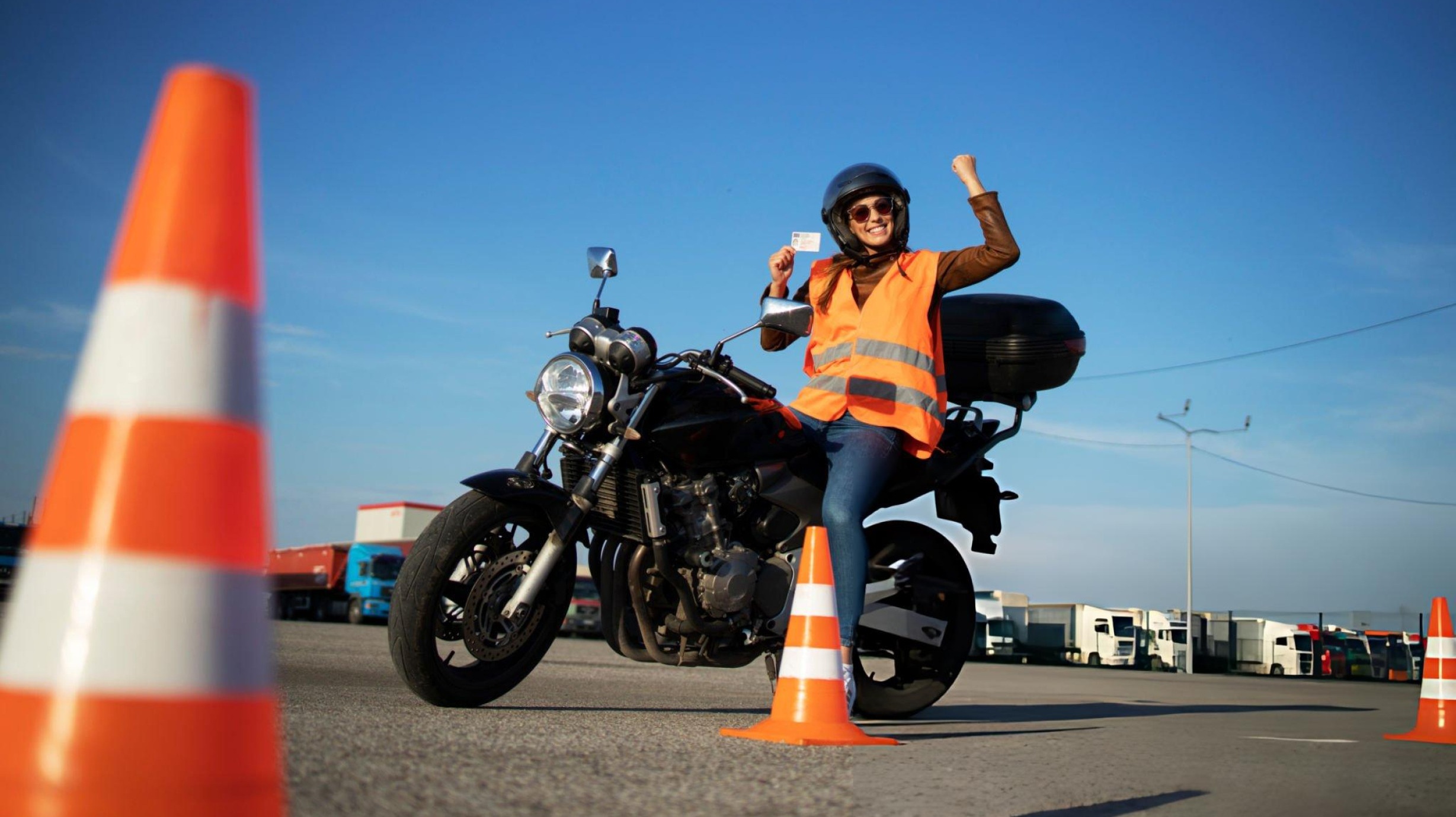
Your first motocross race starts way before the gate drops. First, check if the event needs a racing license. Many local races fall under regional or national bodies like the AMA, so you’ll need to register with them online. The process is usually simple: fill out a form, pay a small fee, and you’re set for the season.
Next, double-check your gear. You must ensure that everything meets safety standards, especially your helmet. Some races have strict rules and may not let you ride if your gear isn’t up to par. You have to bring all required documents, including your license, ID, and proof of registration, and keep them in a folder or pouch. So you are not scrambling at check-in points.
Do a full bike check the day before. Brakes, tires, chain tension, all of it needs to be dialled in. If you are unsure about how to prepare your bike, check out our guide on How to maintain your dirt bike before and after ride? for tips. This proves that last-minute surprises ruin race mornings.
Race day moves fast, but don’t rush. Arrive early. Most riders get there a couple of hours before practice starts. You’ll need time to unload your bike, set up your pit area, and sign in. Listen for announcements about your class and schedule. Keep an eye on the staging area, that’s where you line up for the dirt bike race start before heading out onto the track.
The vibe at the track can feel intense at first, but everyone’s focused on their own ride. Stay calm. Ride your own race. Between heats, hydrate, check your bike, and breathe. Nerves are normal, even pros get them. What matters is that you showed up, took the gate, and pushed yourself. That’s a win already.
Motocross isn’t cheap, but it doesn’t have to empty your bank account either. The largest portion of your initial expenditure goes towards the bike. A good used one will cost between $3,000 and $5,000 if it’s race-ready and well-maintained. Add another $800 to $1,500 for basic gear. Helmet, boots, jersey, pants, gloves, goggles, it adds up fast, but don’t cut corners here.
Registration for your first season is usually under $100 if you’re joining local clubs or associations. Some require a membership, so check in advance. You’ll also need a way to get your bike to the track. If you don’t already own a trailer or a truck, consider borrowing one from a friend or renting until you’re fully committed.
Once you’ve got your setup, there’s still plenty to budget for. Fuel for both your bike and your car or truck is a weekly cost. Maintenance is non-negotiable. You’ll go through tires, chains, sprockets, and fluids pretty often. Plan for $500 to $1,000 yearly, depending on how hard you ride and how much work you can do yourself.
Races also charge entry fees. Local events typically cost $30 to $50 per class, and some offer discounts for pre-registration. Don’t forget small stuff like snacks, tools, and spare parts; it adds up, especially on race weekends.
You can save money if you’re smart. Buy used gear in good shape instead of new stuff right away. Riders are often selling barely used boots or helmets online or at tracks. Learn basic maintenance, including tasks such as oil changes, air filter cleaning, and chain adjustments. You’ll save hundreds just by doing simple work yourself.
Buying in bulk helps, too. Grab tires or gear during off-season sales. Watch for bundle deals when shopping. You don’t have to go broke to go racing, just budget, plan, and keep it real.
The first big mistake new riders make is ignoring the basics. Motocross isn’t like riding a bicycle. You don’t just get on and figure it out. The right training teaches balance, throttle control, body posture, and how to brake without wiping out. These skills protect you when the track gets rough.
Some riders jump straight into racing because they’re excited. That usually backfires. Without proper technique, they end up stalling, crashing, or getting in someone else’s way. It’s frustrating, dangerous, and kills your confidence. Learning the basics first makes the whole experience more fun and way safer.
Getting better is exciting, but it’s easy to let it go to your head. You clear one jump, ride a full lap, or finish a track day strong, and suddenly think you’re ready for pro races. That mindset causes crashes. Overconfidence makes you try things your body and bike aren’t ready for yet.
The smartest riders know where they stand. They don’t rush. They focus on control, flow, and small wins. That approach builds long-term skill. Every ride teaches something, even if you fall. Progress is slower this way, but more solid. You ride better, stay safer, and enjoy the sport more.
Motocross is fun, but it’s also risky. Many injuries occur not because someone took a huge risk, but because they were careless. Forgetting to check your tire pressure, riding without a neck brace, or skipping a helmet strap can turn small mistakes into big problems.
Gear checks should be a habit, not an afterthought. Look over your bike before every ride. Make sure bolts are tight, brakes are working, and the chain isn’t loose. Wear full gear every time, even if you’re “just practising.” Staying safe keeps you riding longer, and that’s what really matters.
Motocross gives you more than just thrills. It sharpens your body and builds confidence. It also introduces you to a crew of people who share your passion. It is not just about motocross bike racing. It’s totally about growing as a person, both on and off the bike.
Interestingly, getting started is simple, but doing it right takes patience. Learn the basics, acquire the right gear, and select a bike that suits your skill level. Practice regularly, find a good track, and always ride safely. Racing will come in time, and when it does, you’ll be ready.
You don’t need to be a professional to get started. You just need a bike, a plan, and the guts to show up. Every rider started as a beginner. Every expert once tipped over in the dirt. So if motocross excites you, don’t wait for the perfect time. The track is waiting. Get your first bike from bsemotor and start your journey today.
 Get in Touch