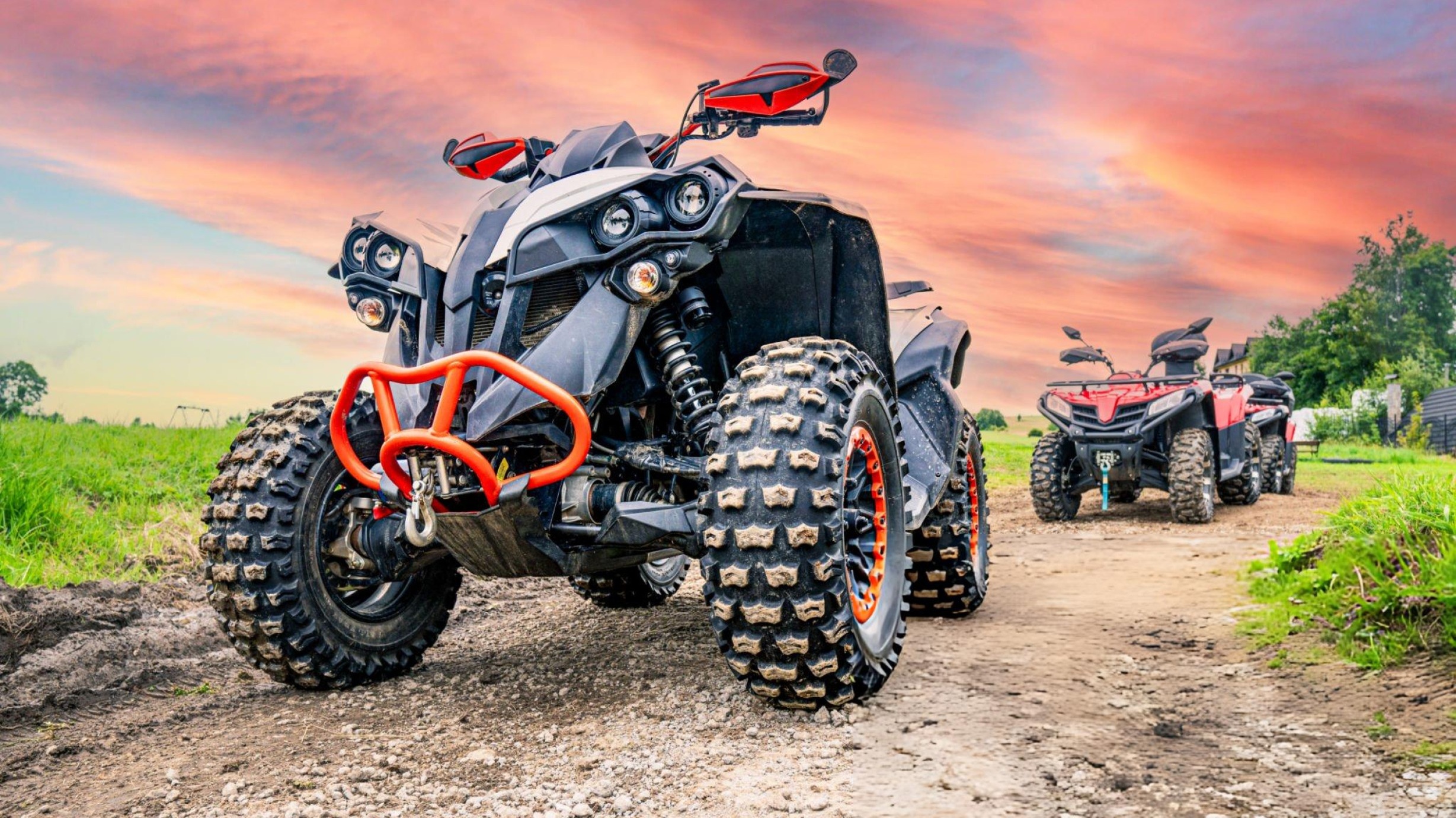
There may be a time when you may have spun in circle wondering: what is the difference between UTV and ATV?
Let’s clear all commotion, an ATV is a single-rider, straddle-seat quad you steer with handlebars. It is built for flying through tight trails, nothing but pure adrenaline.
A UTV is a side-by-side buggy with a steering wheel. It comprises of seats for the whole crew, and enough cargo space to lug a weekend’s worth of equipment.
One’s a solo rocket; the other’s a family workhorse. That’s the core difference between UTV and ATV, and the choice usually comes down to whether you ride alone or roll deep.
Still need to know more about what is the difference between ATV and UTV, you are in right place.
An ATV is a lightweight, single-rider off-road vehicle made for tight trails. The global ATV market hit $4.77 billion in 2024 with 40% of sales.
These machines usually pack engines from 250cc to 700cc and weigh 400–800 pounds. You shift your weight to carve corners, which is why riders say ATVs demand respect but reward skill.
In 2024, over 60% of new buyers picked ATVs purely for recreation because they’re cheaper to own and easier to throw on a trailer.
Utility models with racks and hitches are sneaking up in popularity for hunters and small-acreage farmers, but the heart of the ATV world is still weekend play.
Fun fact: the straddle-seat design dates back to the 1970s Honda US90, basically the grandfather of every modern quad.
Curious how many gears these things actually have? Check our deep-dive guide on how many gears dirt bikes (and ATVs) really need.
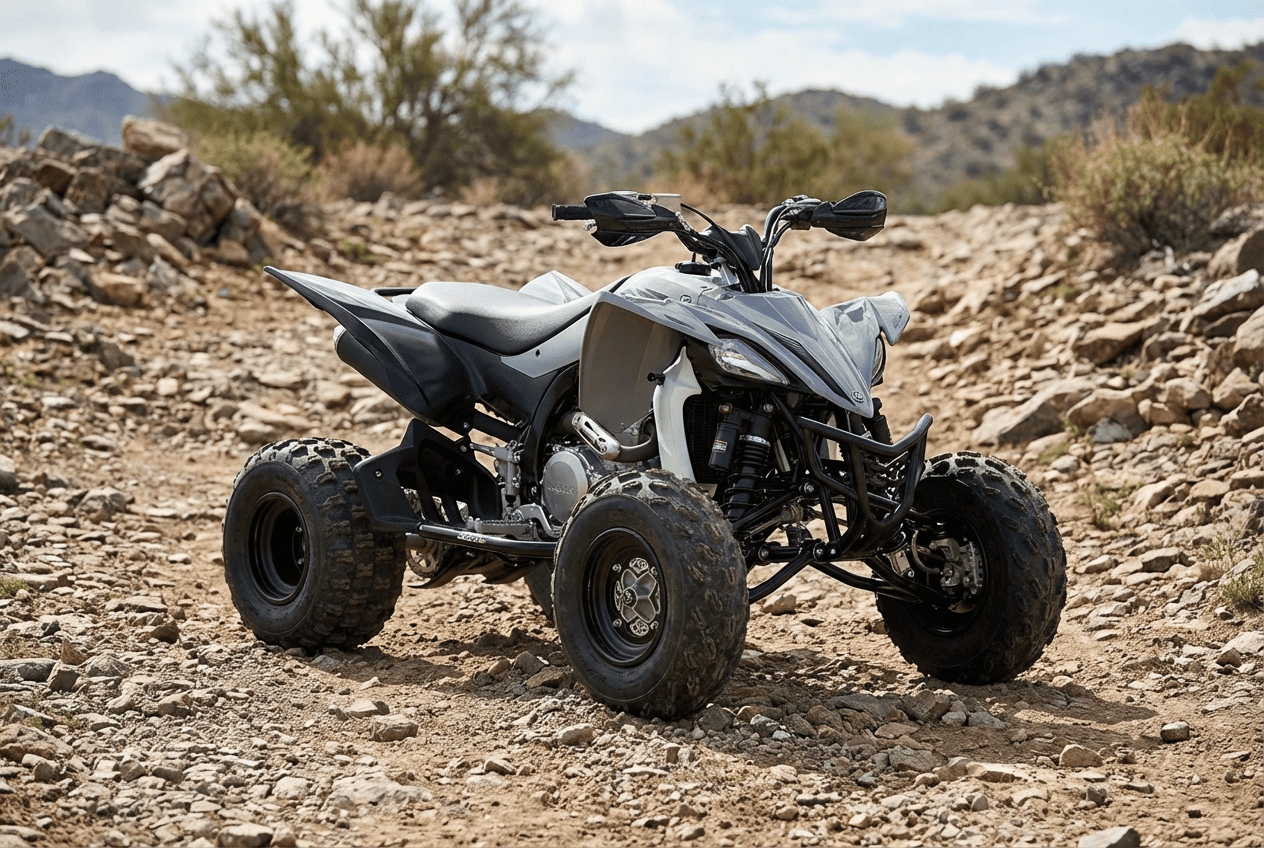
UTV or Utility Task Vehicle is mostly known as side-by-sides or S x S. A UTV has seats 2–6, tows 1,000+ pounds, and still crosses 60 mph.
Did you know? North America stands alone with 71% of the $10.11 billion market in 2024. Because families and ranchers refuse to leave anyone behind.
The UTV engines run 500cc to 1000cc, with dump beds, roof kits, winches, even Bluetooth speakers straight from the factory.
In 2025 the segment is projected to top $12.76 billion globally, fueled by electric models and ranchers swapping pickups for UTVs on daily rounds.
For rental fleets and riding schools, and large families nothing beats a UTV.
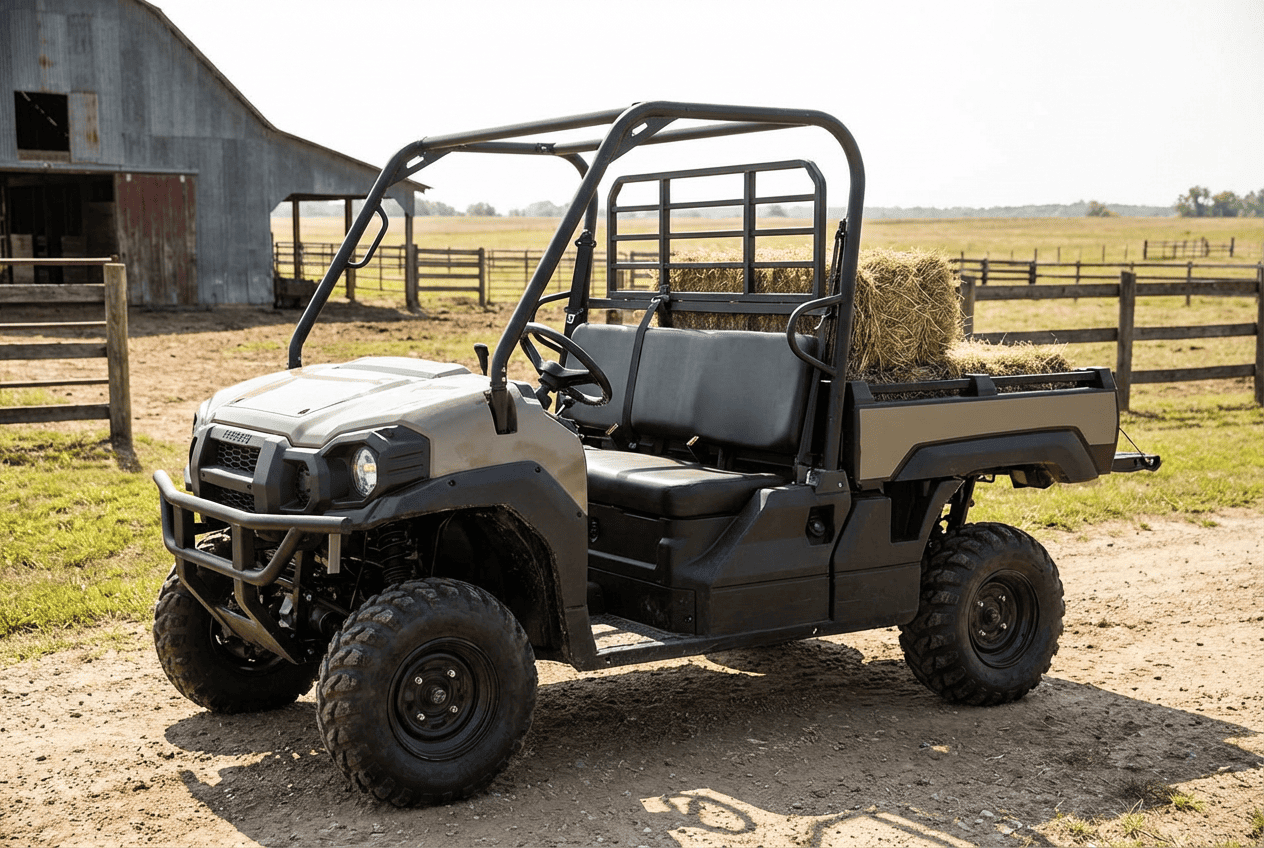
Here’s the real-world breakdown every dealer hears daily when customers debate ATV vs UTV.
ATVs are built for one rider; UTVs are built for crews and chores. The 2025 market shows UTVs grabbing 65–71% of total revenue because buyers are seen paying 30–50% more for seats and safety.
| Feature | ATV | UTV |
| Riders | 1 (sometimes 2-up) | 2–6 |
| Steering | Handlebars | Automotive wheel + pedals |
| Average Price 2025 | $5,000 – $15,000 | $12,000 – $35,000 |
| Dry Weight | 400–800 lbs | 1,200–2,200 lbs |
| Cargo/Tow | 100–200 lbs / 800 lbs tow | 1,000–2,000 lbs bed / 2,500 lbs tow |
| Best Trail Width | 50 inches or less | 60–80 inches |
| Safety Gear | Helmet + goggles | Roll cage, 3-point belts, doors (most) |
On an ATV you lean hard into ridges; on a UTV you press the gas and let the independent suspension work.
Polaris breaks it down clean in their 2025 buyer guide ATV vs UTV guide.
ATVs save cash and deliver a pleasure ride but leave your friends at home. On the other hand, UTVs let everyone ride together and get the plenty work done.
In 2024 surveys, 60% of pure recreational buyers still grabbed ATVs to keep costs down. The other 40%? They need it for families.
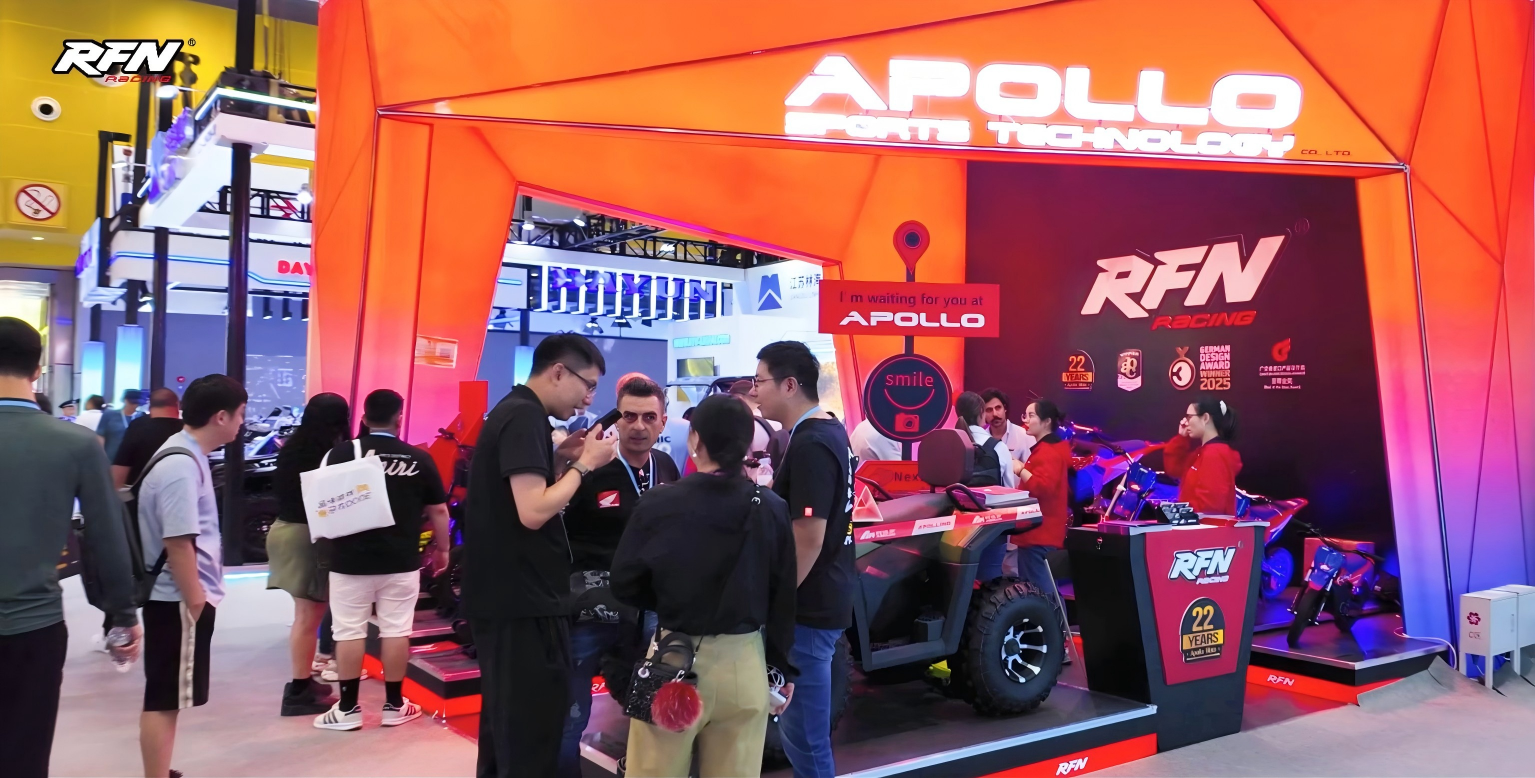
Ready to feel the difference between UTV and ATV yourself? Swing by Apollino’s showroom.
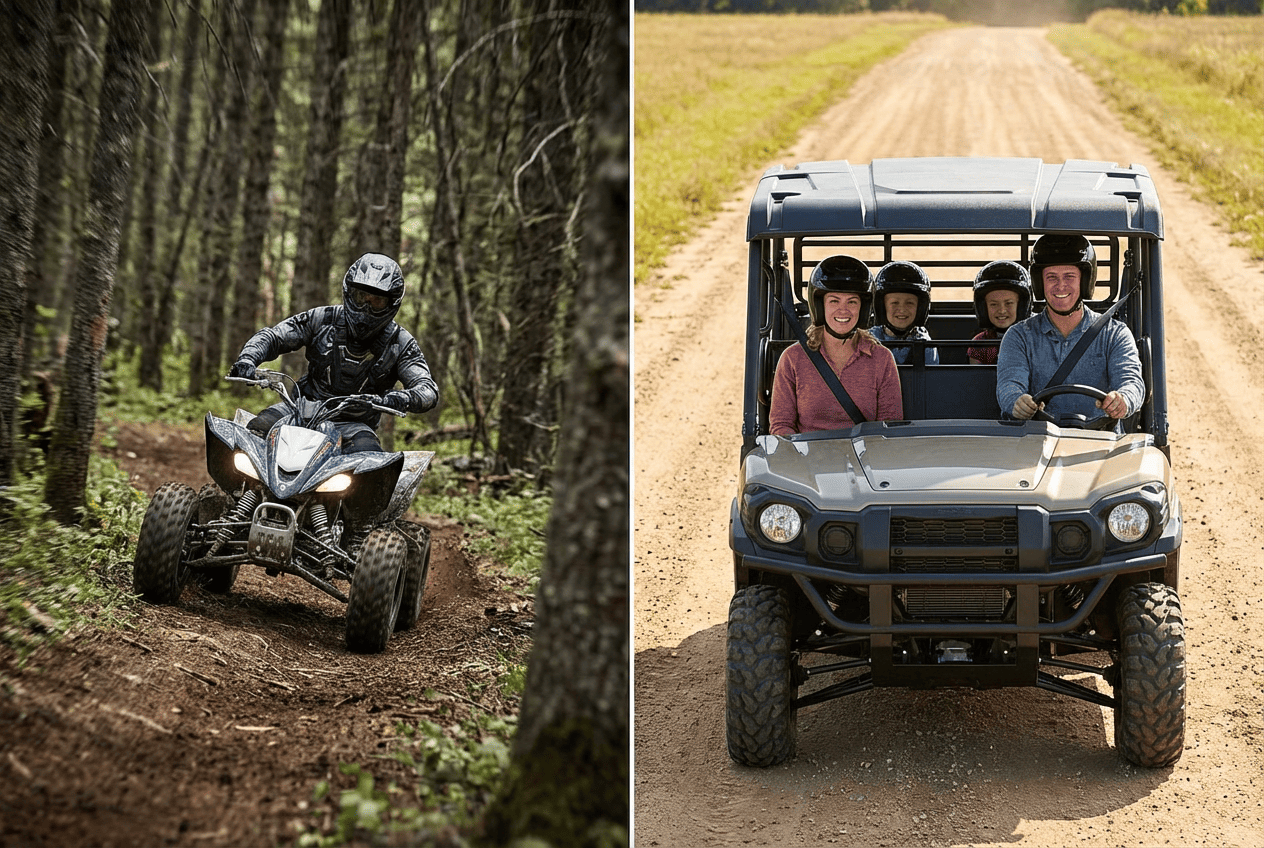
Stop overthinking. Answer these five questions and you will be able to pick a machine by the end.
For solo trail days you need ATV. But for family outings or ranch chores, it’s the UTV, period!
Browse our full 2025 lineup at Apollino Powersports.
All-Terrain Vehicle. It is your classic four-wheeler quad.
UTV, hands down. Dump beds and 2,500-lb towing. It is a generous car.
Utility Task Vehicle, side-by-side built for jobs and crews.
Nope. CPSC data shows UTVs with cages and belts reduces serious injuries dramatically.
ATV is for solo thrill. UTV is for group hangs. In 2024, 60% of weekend riders still voted ATV.
If you’re moving units, whether it’s 10 quads for a rental fleet or 50 UTVs for corporate team-building, we speak your language.
Apollino offers tiered wholesale pricing that actually makes sense, full customization (wraps, LED packages, GPS trackers), and containers that land on time.
Last quarter we shipped 180 machines to three new rental locations in Texas alone. Want the same turnkey deal? Talk to us, and we’ll send real numbers within 24 hours, no dealer fluff, just spreadsheets and results.
Understanding the difference between UTV and ATV isn’t complicated. One puts you alone on top of the world with wind in your face. The other lets you share the ride, the work, and the stories afterward.
The 2025 market is exploding either direction, $12.76 billion and climbing. Swing by Apollino, kick some tires, and let’s get you (or your customers) rolling.
 Get in Touch