Routine dirt bike maintenance is not just a good idea—it’s essential. Weekends on the trails or running an off-road business are only as good as the ride itself—and that means having bikes you can count on, every time. Dirt bikes get mud and dust, jumps and tight turns; these bikes go through rigorous use. Without routine maintenance, even the finest bikes can deteriorate rapidly. This guide is designed to assist riders, from beginners to business owners, in keeping their dirt bikes running smoothly. Let’s begin!
It isn’t just about keeping your motorcycle clean to keep a dirt bike in check. A well-kept dirt bike doesn’t just perform better—it feels better, giving you the control and confidence to push your limits. Skipping even the most minor details will result in significant problems out on the trail.
A well-maintained dirt bike responds as it should. If the chain is lubricated, the clutch and throttle levers feel smooth, and the suspension is adjusted, your ride is smoother, safer, and more predictable.
Even if the most minor parts are overlooked, it can have a direct impact on handling, throttle response, and overall stability. This is caused by added frictional resistance, seal wear, or hydraulic pressure loss in the brake system. It may create hazardous conditions, which can be easily prevented through regular checks.
Your dirt bike is a machine composed of moving parts, all subject to stress and weathering. You have to learn how its engine works and all its parts before moving to maintenance. For instance, dirt builds up within the Trail dirt bike after a long run, and your air filter inhibits airflow, leading to a vibrant air-fuel mixture that destroys engine efficiency and builds up carbon deposits.
Regular maintenance prevents costly replacements and shields units, such as the valvetrain or gear assembly, from premature wear and damage due to neglect.
If you ever have to trade or sell your dirt bike, having it in good condition can make a huge difference. Bikes that have undergone regular maintenance and feature clean, well-maintained parts typically have a high resale value. A clean dirt bike with new lubrication, sensitive controls, and good tires is a good investment that will pay you back for the long haul.
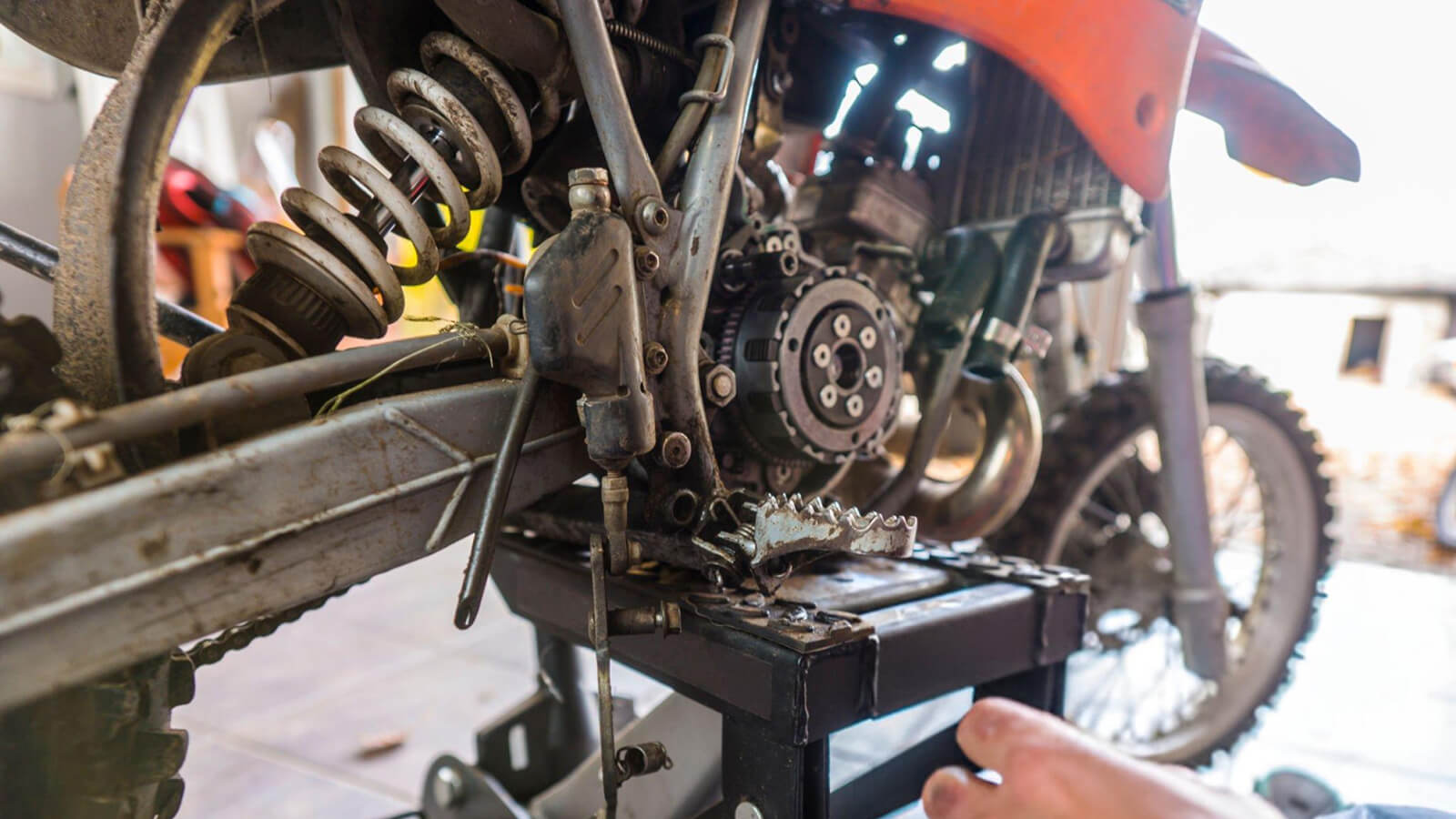
Taking a few minutes to check over your vehicle beforehand will help avoid breakdowns and keep you safe on rough terrain. It makes a significant difference in performance and reliability, and it will only take a few minutes.
Take a moment before embarking on your ride to check for mid-trail surprises.
Begin with your tires. Ensure the tire pressure is at the recommended PSI by the manufacturer, and inspect the tread for stones stuck in the grooves or signs of wear. Underinflation decreases control, and overinflation leads to poor traction.
Next, inspect your chain. It should have between 1 and 1.5 inches of slack. A chain that is too loose or too tight can stress the sprocket teeth and lead to premature wear. Lube it with a chain lubricant to guard against corrosive friction.
Your brake and clutch levers should float. If you notice any binding, then the housing of the cable might need lubrication. Never overlook monitoring your oil and fuel levels. Running low can cause thermal stress and irreparable engine damage.
Lastly, inspect your brake pads. If they are low on brake fluid or worn out, do something before you ride. Failing brakes will extend stopping time, especially on slippery or rocky trails.
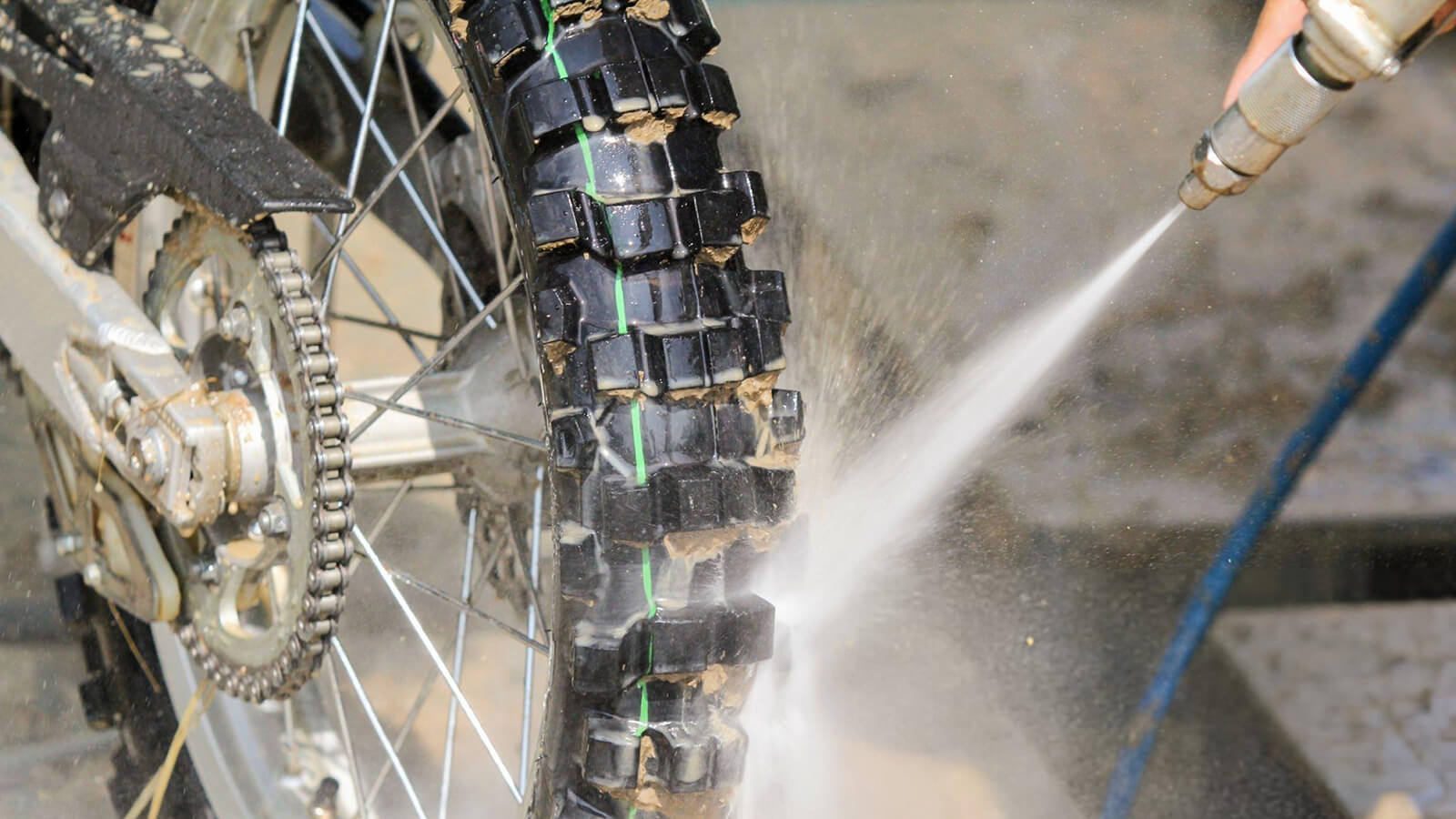
Your bike is full of dust, dirt, and occasionally even water after a ride.
Begin by checking and, if needed, cleaning out your air filter. Even a short ride over dusty roads can fill it up, restricting airflow and making your engine run rich.
Then, wash off muck and grime with low-pressure water, being careful not to spray the seals or bearings so that the water won’t push its way into sensitive parts. Allow the bike to dry thoroughly after washing and inspect for oil leaks, loose parts, or excessive wear.
Re-lubricate the chain with lubricant after every wash to prevent rusting and ensure effortless rotation. Finally, check your bike from front to rear. Make sure to check for cracks in plastics, loose cables, or strange noises when in motion. These quick checks may help avoid major troubles in the future.
In addition to daily inspections, taking a little time each week to perform more in-depth maintenance helps prevent wear and tear before it becomes a problem. These additional steps will have your dirt bike running better, more often.
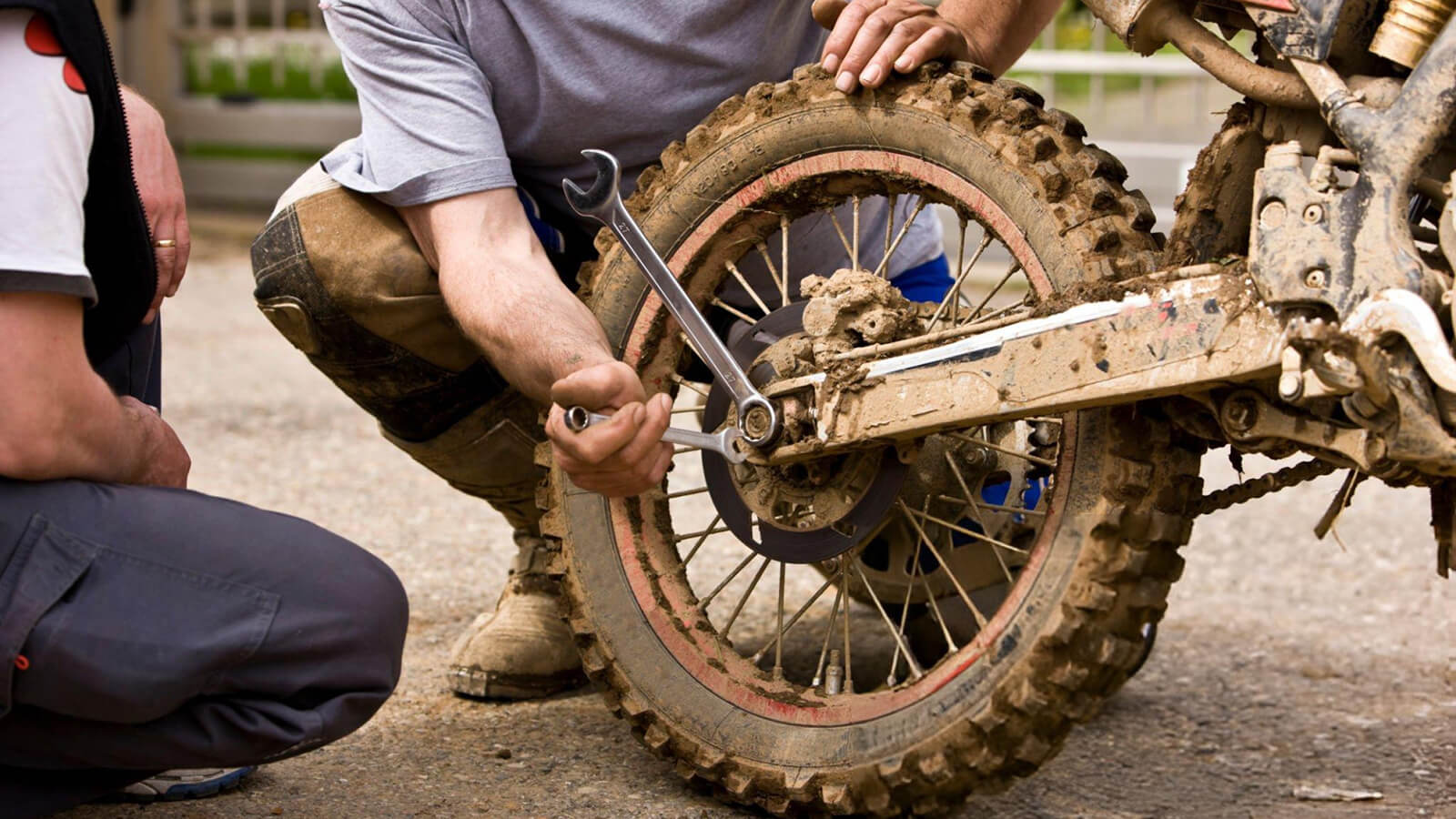
Don’t worry if you’re a beginner to dirt bikes. Its maintenance is not as difficult as you might think, with some practice.
Start by learning the basics. Your sprocket is the gear wheel over which the chain travels. Keeping it clean and aligned ensures smooth power delivery.
As a beginner, here’s what you can do at home:
Oil is similar to the blood of your dirt bike. It keeps the engine’s moving parts lubricated and the engine from overheating. The oil becomes dirty and loses its effectiveness over time, particularly after prolonged use, such as during hard riding.
How to change it:
Your air filter on your dirt bike keeps dust, dirt, and trash from entering your engine. A clogged or dirty filter can hurt performance or destroy your engine.
How to do it:
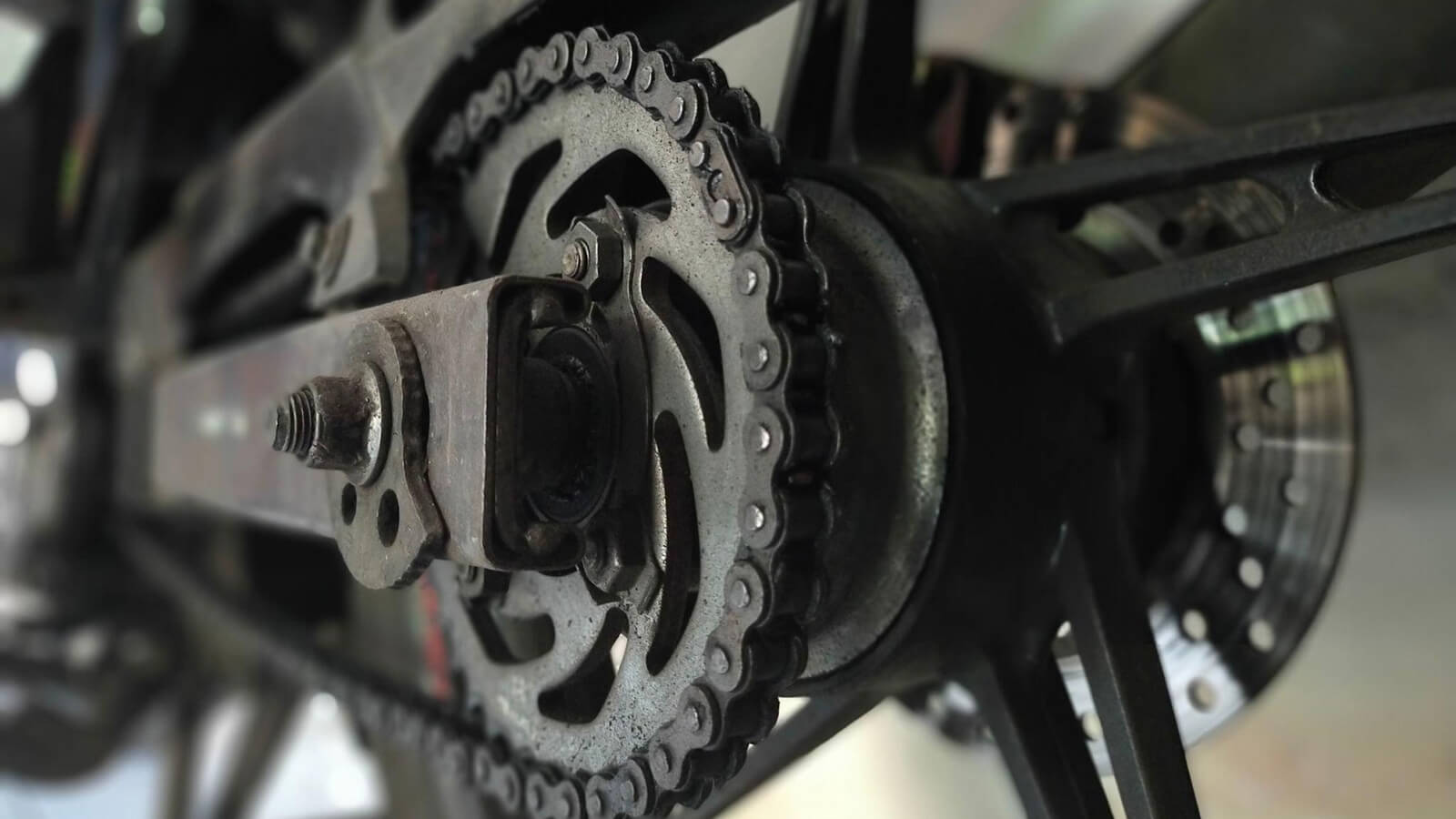
Your chain is what transfers power from the engine to the rear wheel. When it’s rusty or dry, your chain will wear down faster, damage other parts, or even snap when in use.
To lubricate it:
Your brakes are your lifesaver, so having a proper level of brake fluid is essential. Low or dirty fluid can result in soft or spongy brakes.
Steps:
Tasks like valve adjustments, suspension setup, carburetor overhaul, and so on, are best left to the professionals, at least until you feel ready for more advanced work.
Good maintenance begins with good tools. A basic tool set of screwdrivers, socket sets, Allen wrenches, and a torque wrench will take care of most of it. Having a tire pressure gauge helps make accurate adjustments easier. To clean and lubricate the chain, chain-specific cleaner and lube are employed.
Oil changes require a funnel, a drain pan, and, ideally, a bike stand to hold your vehicle upright. For deeper cleaning or working inside, a wash mat keeps dirt and oil contained.
For a complete tool checklist, read the AMA’s guide to off-road motorcycle tools.
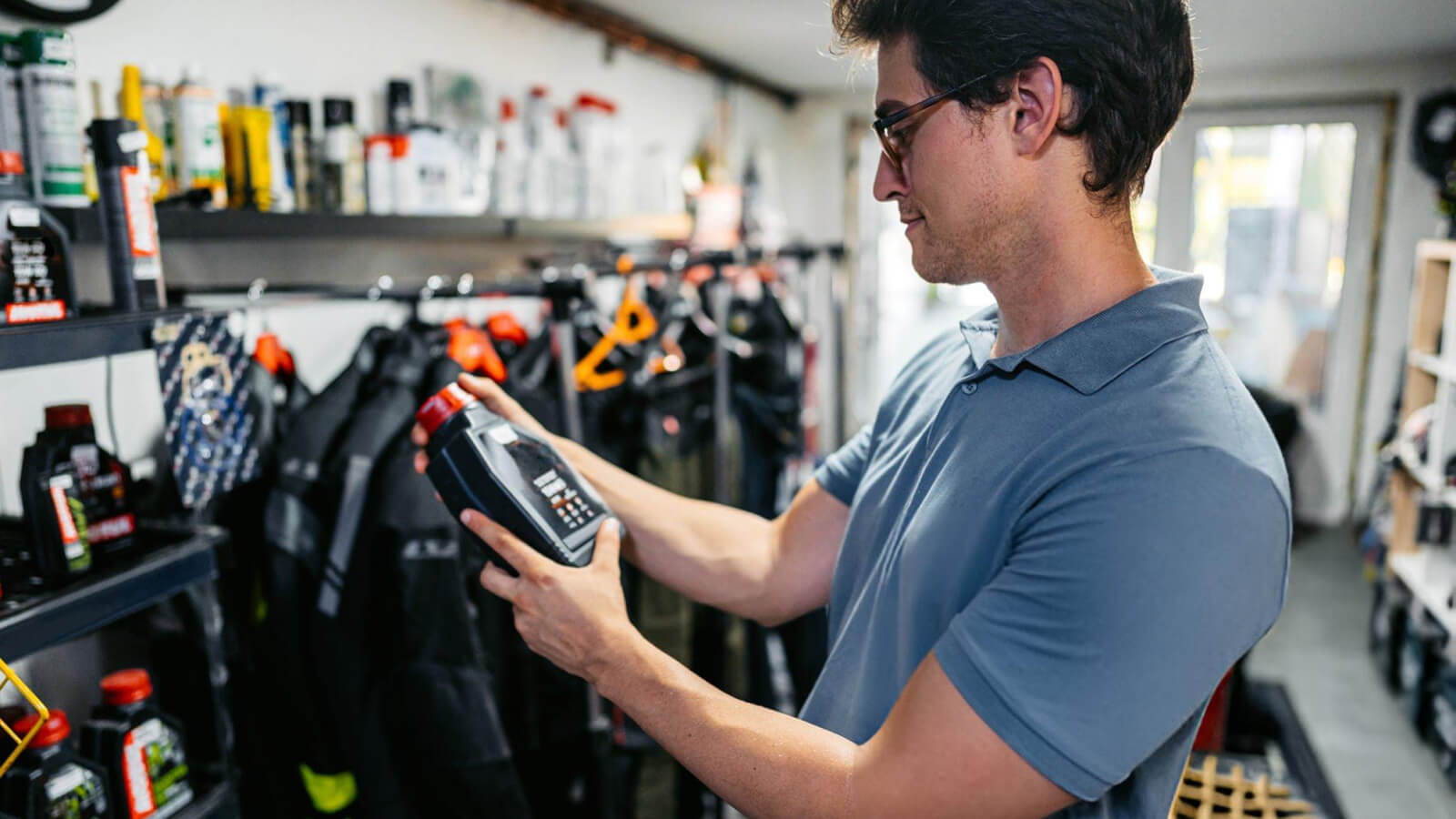
Knowing the cost of dirt bike maintenance allows you to plan and not have surprise bills. Whether you do it yourself or go to a shop, it’s nice to know the difference so that you can reap the rewards in the future.
Doing these basic maintenance tasks yourself—like changing the oil, lubricating the chain, and cleaning the air filter—can save you hundreds over time and add years to your bike’s lifespan.
More complex work, such as valve adjustments or top-end engine rebuilds, typically requires shop visits and can cost between $300 and $700, depending on labor rates and parts costs.
| Maintenance Task | Estimated Cost (USD) |
| Oil & Filter Change | $30–$60 |
| Air Filter Replacement | $15–$30 |
| Chain & Sprocket Kit | $80–$150 |
| Valve Adjustment (Shop) | $100–$300 |
Maintaining your dirt bike doesn’t end when you turn off the engine—safe storage is essential for maintaining its condition during the off-season or downtime.
To store your dirt bike for weeks or even months, take a few precautions to save it from damage:
Certain upgrades will save long-term maintenance:
O-ring Chains: O-ring chains have internal lubrication sealed by rubber O-rings, making them more resistant to dirt and wear.
Reusable Oil Filters: Clean and reuse, don’t replace.
Quick-Access Airboxes: Simple filter changes without panel removal.
For companies such as dirt bike rental outlets, training academies, and adventure centers, dirt bike maintenance is not a choice; it’s a key component of your business plan. Each minute that a bike is out of action due to repair is lost revenue.
We recognize such requirements at apollino and provide:
For more information on how we can help your business, see our expert page: Partner with Apollino for Fleet Solutions.
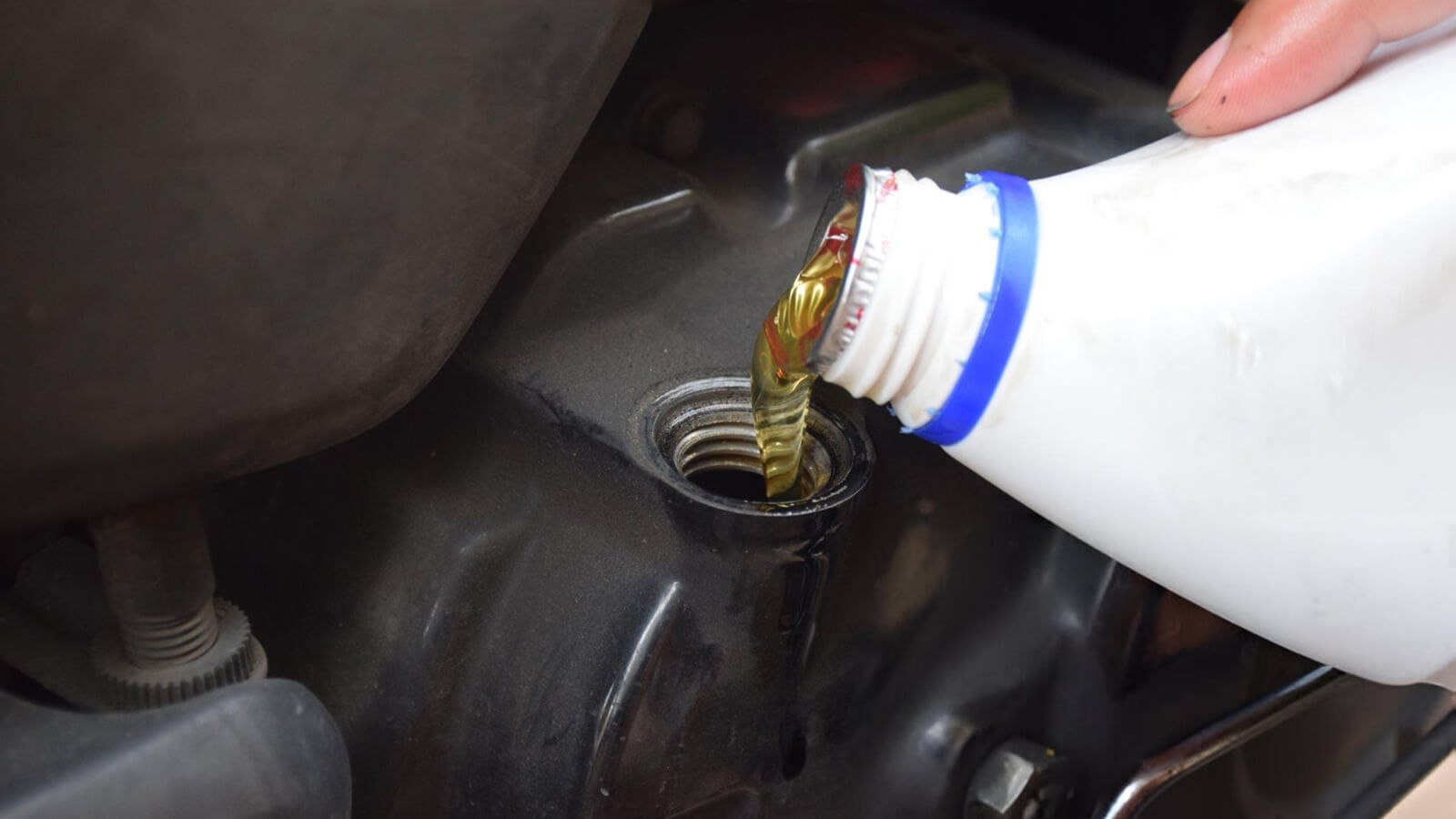
Generally, every 10-15 hours of operation. However, if you ride frequently in dusty or muddy conditions, the service must be performed more regularly.
Not if it’s done regularly. It is cheap to maintain. It only becomes wildly expensive when you don’t do simple things and allow problems to accumulate.
Yes. Most repairs, such as oil changes, air filter cleaning, and chain tightening, are easy enough for beginners to perform using the proper tools and instruction manuals.
Dirt bikes experience more challenging conditions with water, mud, and impacts, so they require more frequent examination, washing, and component changes.
Maintenance of dirt bikes is easy if done regularly. Spending a few minutes of concern before and after every ride will prevent you from spending hours on expensive repairs later. As a solo rider or an operator of a fleet, consistent maintenance guarantees improved performance, fewer breakdowns, and safer travel.
Ready to drive your ride to the next level? Scroll through our range of tough, high-performance off-road bikes perfect for riders and rental shops alike. View Apollino Off-Road Bikes Now.
 Get in Touch