
Charging motorcycle batteries may seem like a simple task; however, there are a few steps that distinguish it from one charging modality from another. This guide will cover the various methods of charging different types of motorcycle batteries, and how to identify appropriately the type of charging devices to use, precautions while charging, duration of charging, and charging techniques at the commercial level.
Knowing the kind of motorcycle battery and its workings is necessary before charging a motorcycle battery with a battery charger.
There are different types of batteries, and they charge differently:
While riding, your motorcycle charges the battery using its internal system. Here’s how:
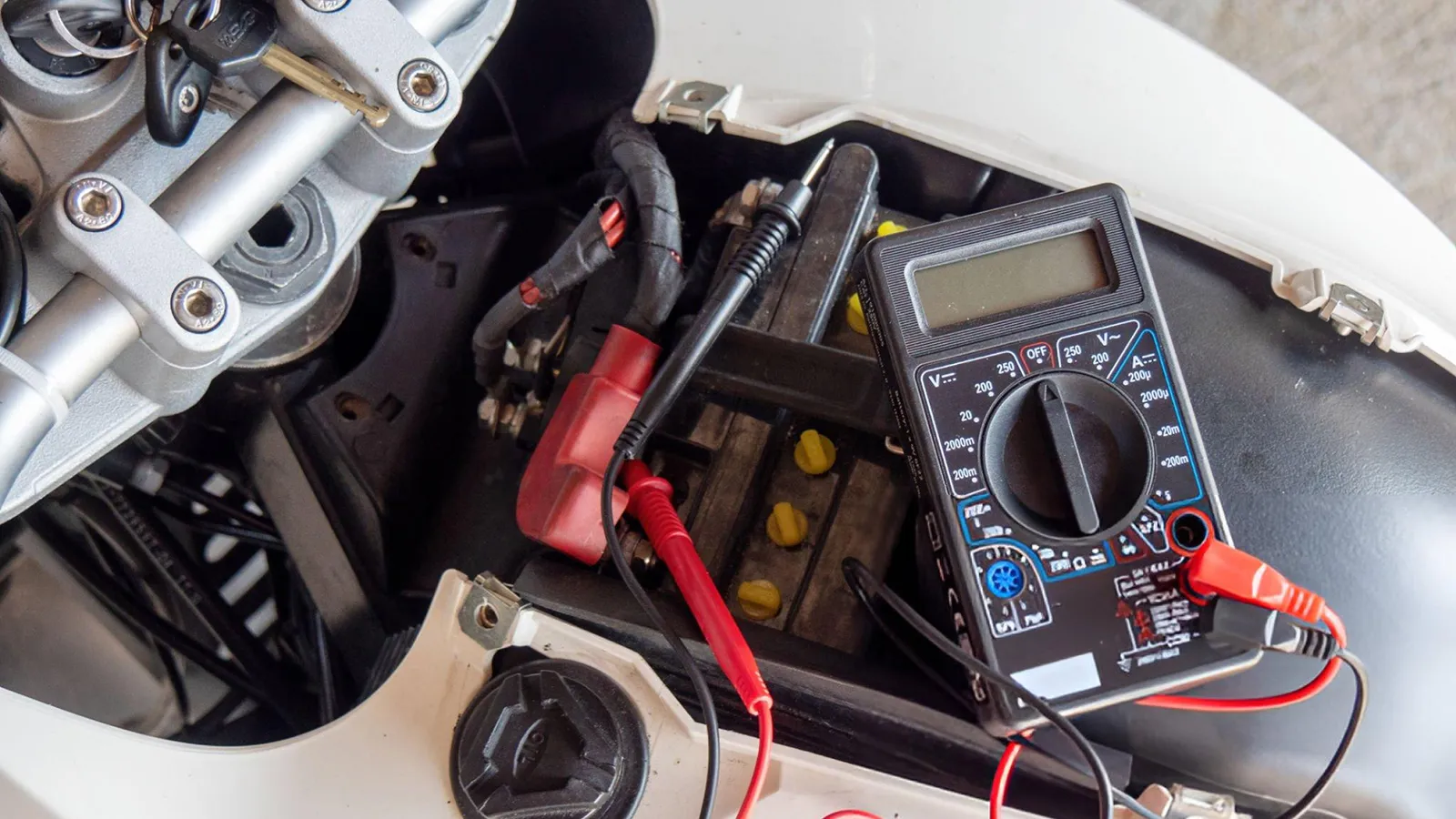
Proper preparation is required before charging a motorbike. It provides complete safety and comfort during charging and riding:
You don’t need much, but the right tools are essential:
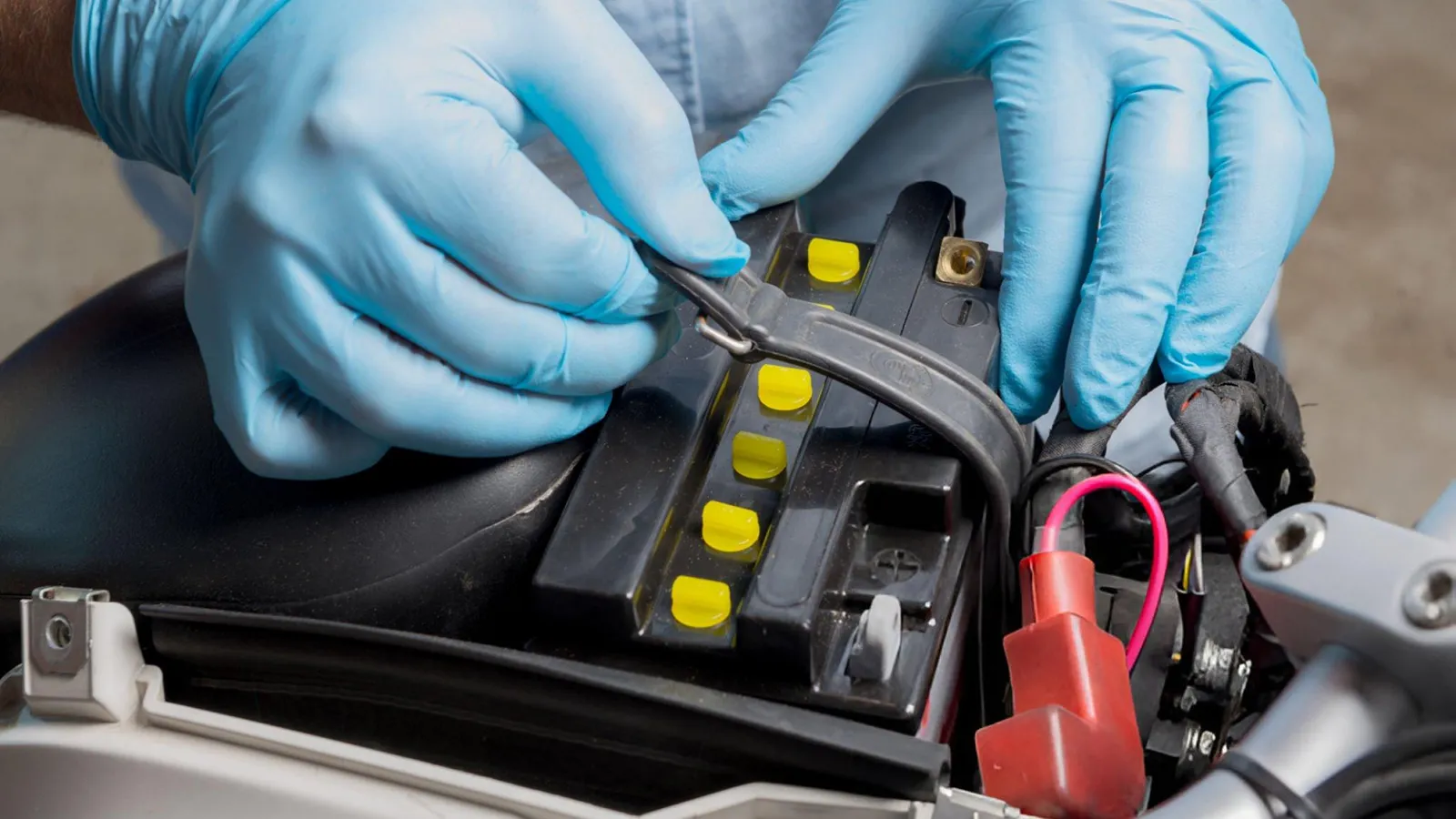
Proper charging of a motorcycle battery is essential for maintaining long life and optimal functional efficiency. Follow these steps carefully for safe and proper charging:
Check that everything is turned off, such as the ignition key, lights and GPS. The engine should be off, using the kill switch and taking out the key from the ignition now.
Taking a battery out of a motorcycle while it is charging is safer and more practical in other cases, such as charging indoors or inside a poorly ventilated garage. Removing the battery eliminates the accidental grounding and electrical shorts.
Always follow the right order in disconnecting and removing a battery to prevent sparks and short circuits:
First disconnected is the negative (-) cable. It breaks the connection to ground so that sparks are less likely to occur.
Then, on the other end, the positive (+) cable with red in colour will be removed.
If everything is done in this order, it helps avoid accidentally completing the circuit in case your tool touches the frame or metal parts of the bike.
Now, remove the battery and expose the terminals:
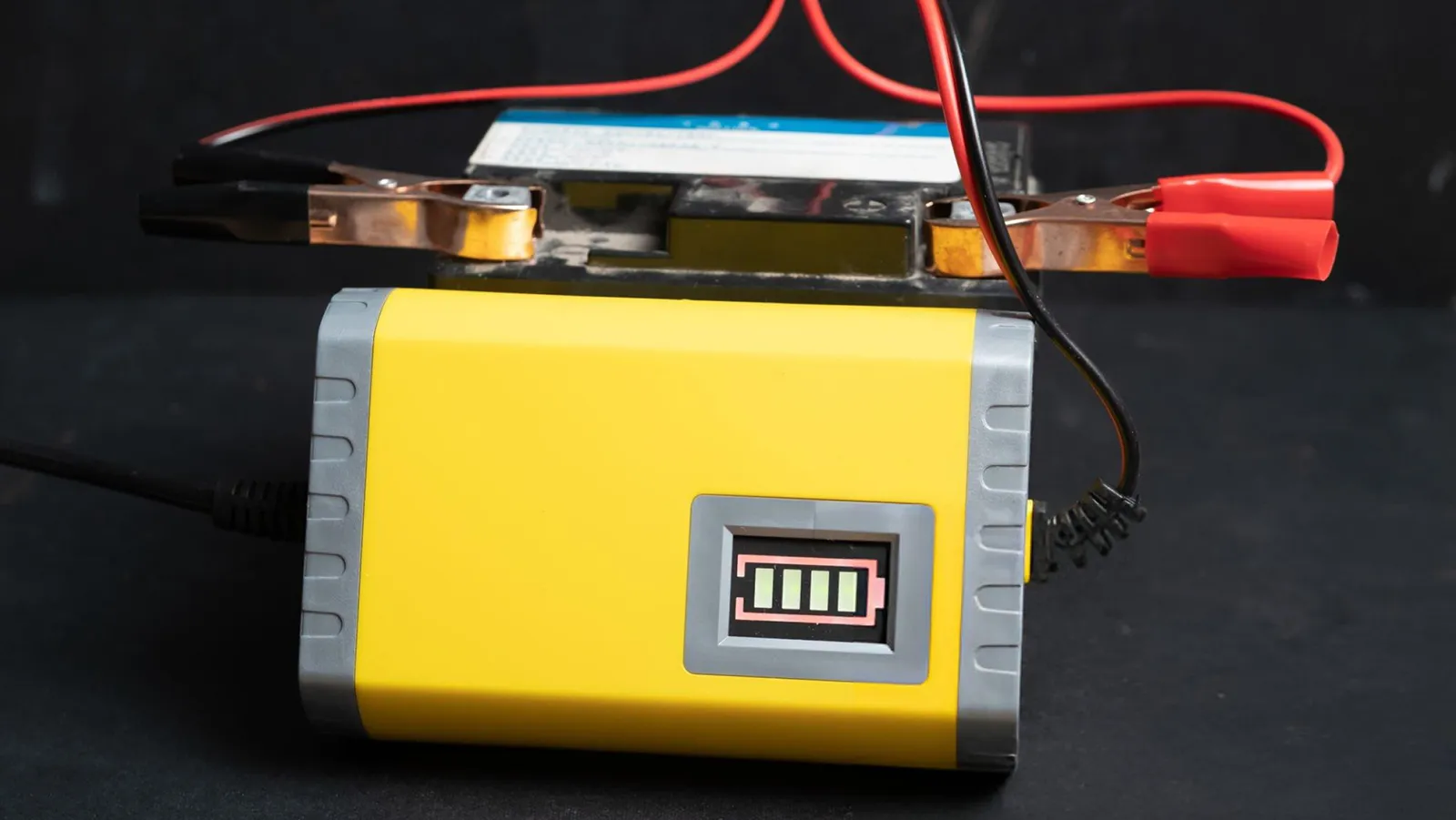
Connect the red charger clip, positive, to the positive (+) terminal of the battery, and connect the black negative to the negative (-) terminal of the battery.
Make sure that the clips are secure and do not touch each other or anything else conductive. Check all the connections again to prevent wrong polarity; it may ruin the battery or charger.
Unlike the most commonly found motorcycle batteries, these operate at 12 volts, so check the charger’s settings first.
After that, keep the amperage at low levels, usually around 1 to 3 am. Principal charging at low and steady levels will preserve the health of the battery as well as avoid overheating or internal damage. High-amp usually applies to car batteries, but it is also very standard for motorcycle batteries.
If you are using a smart charger, it might be capable of automatically detecting the relevant voltage and adjusting amperage by itself.
Switch on the power at the charger. At that moment, the charging has begun. You can do the following:
The smart chargers will then take care of switching over to ‘maintenance’ or to ‘float’ mode once the battery is full to avoid overcharging.
So, how long does it take to charge a motorcycle battery? The answer depends on the following:
Most riders keep asking if they can charge their motorcycle battery from a car battery charger in an emergency. This is not always a good thing.
Most car battery chargers are above 10 amps. That’s quite heavy for most motorcycle batteries, and often, overheating or damage can result because of their smaller size. Some of the newer car chargers have a “motorcycle mode” or adjustable settings that go as low as two amps. These may be safe, but only if clearly labelled. If you don’t have a standard charger, here are a few safe options: compact, portable lithium jump starters for emergency use. Solar trickle chargers are great for periods of time when a bike may remain still, especially for fleet storage.
Different chargers serve different purposes. Understanding your needs helps you choose wisely.
Use trickle chargers if you’re watching closely, smart chargers for regular use, and float chargers for long-term storage
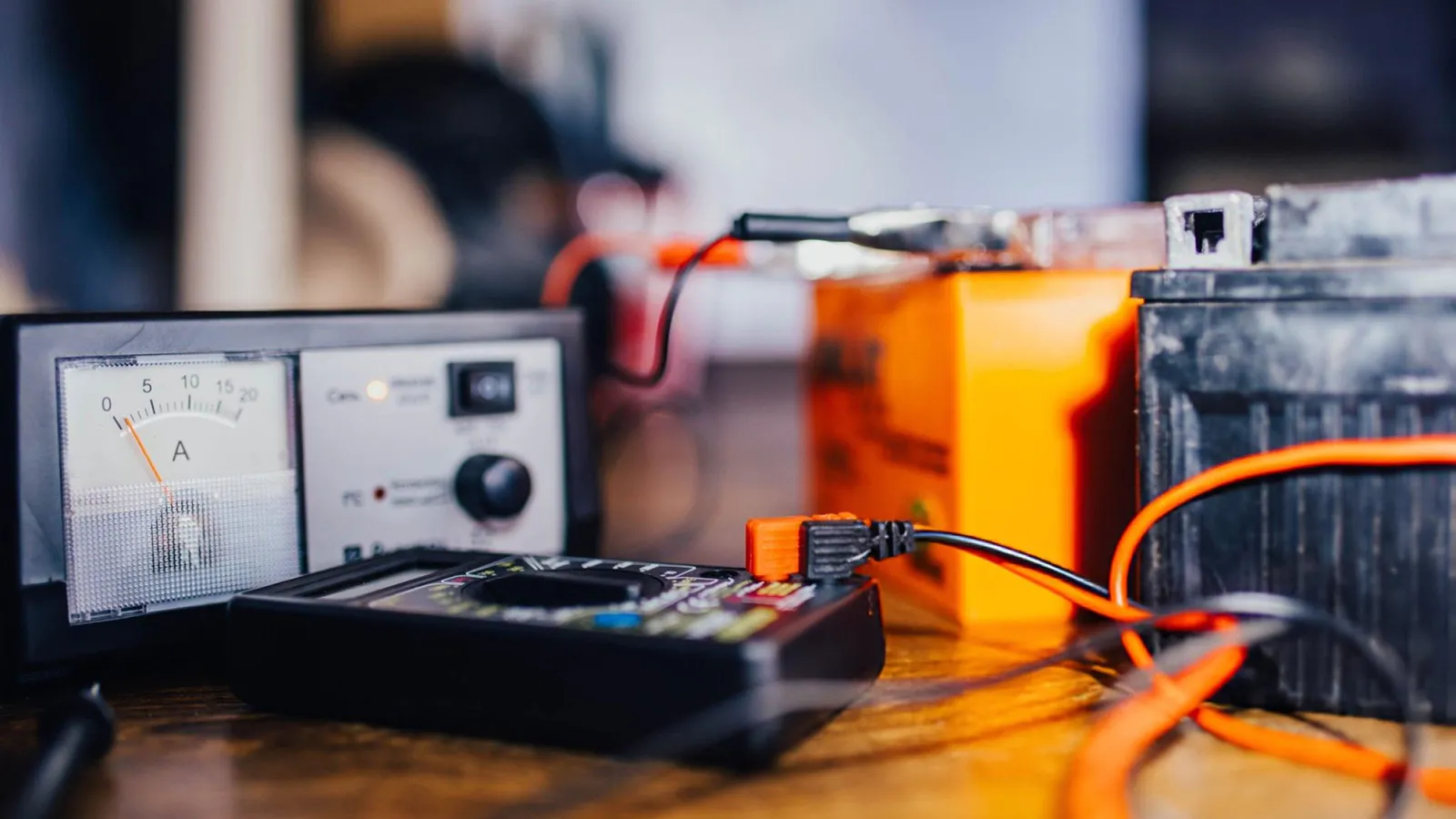
Businesses with motorcycle fleets need efficient charging solutions:
Even doing everything exactly correct does not mean there are no problems. However, here is how to fix the most common ones:
If your battery dies quickly after charging, these might be the reasons:
Clean the terminals, check the voltage, and see if it continues to be a problem; the battery may be beyond repair.
Sometimes charging is not enough: It might be damaged if it reads under 10.5 volts after being fully charged. Batteries older than 3-5 years lose capacity and should be replaced. If most of your riding involves short trips and you don’t take long rides, you probably want to consider getting a better battery or charging option.
Batteries die when we least expect. Always carry a portable battery jump starter, one of the smaller models, in your gear bag. On long rides, load up a portable charger that can plug into either an outlet or a car adapter. If the battery dies and needs a tow or jump, use the roadside assistance app/service.
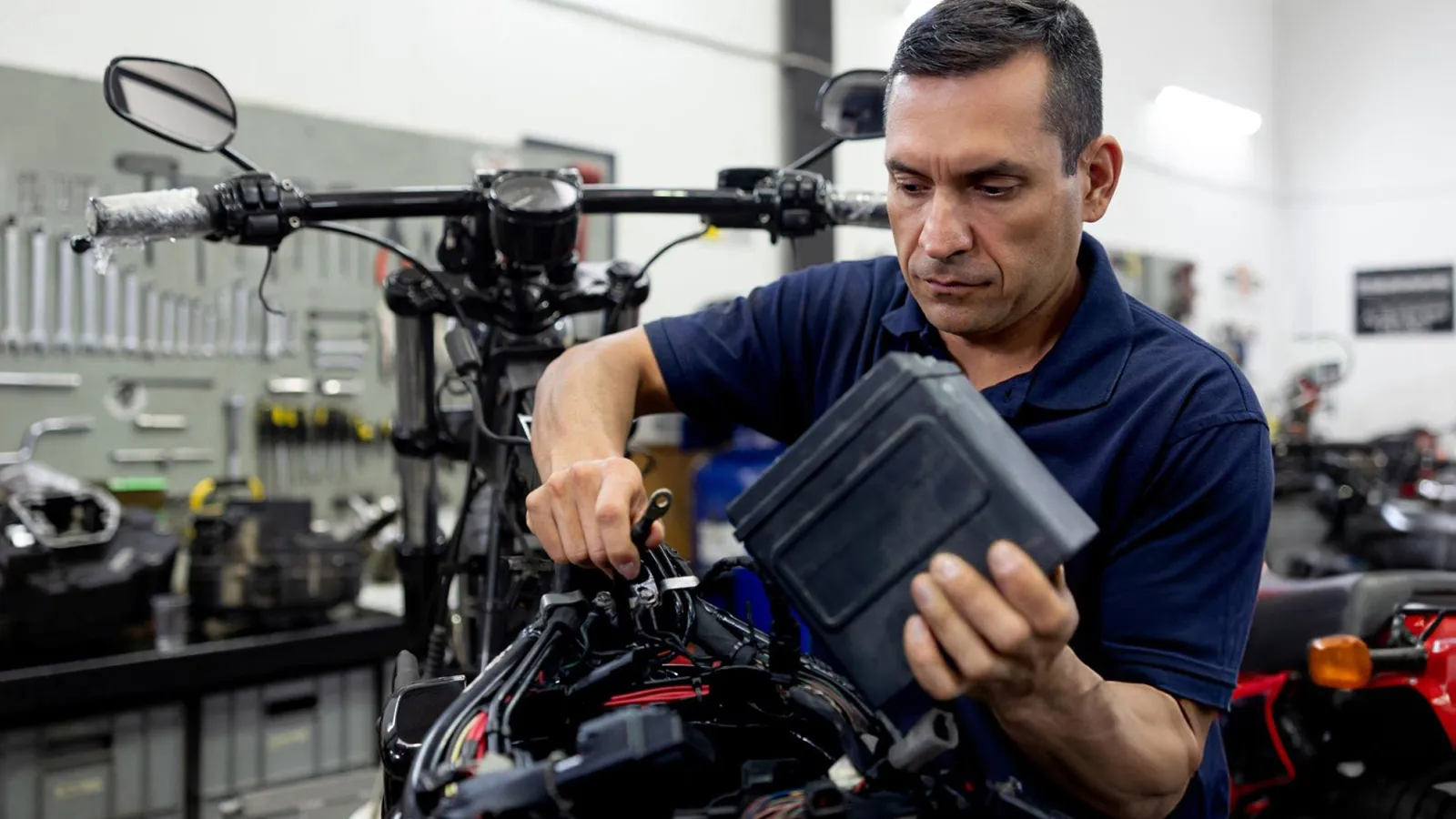
Adopting certain practices will ensure that your batteries last longer and perform better.
Store the motorcycle off-season and then use a float charger for charging:
Every couple of weeks:
Following these guidelines will promote safer battery maintenance practices and, within a range of weather conditions, will sustain their service life.
Motorcycle fleets, such as those for food delivery or rentals, need reliable power to stay alive competitively. Apollino’s solution is more focused on commercial battery management. Setup:
Apollino provides Lifting tools designed for commercial adaptability through two-wheeled mobility. From delivery scooters to tourism motorcycles, these solutions help manage energy efficiently.
Want to scale or minimize downtime? Collaborate with Apollino to create OEM-ready charging hubs. Bulk pricing and support for chargers and accessories, as well as custom partnership options and smart software integrations. Visit Apollino today and find out about the commercials tailored for the road.
The easiest to use is a smart charger: just connect the cables and plug it in, and let the charger do all the work.
Yes, but only with an automatic shut-off smart charger. Shielded trickle chargers from overcharging must be closely monitored.
Riding can help recharge a low battery, but it won’t revive a dead one. Use a charger first, then ride regularly to maintain the charge.
Charging a motorcycle battery correctly makes it safer, cheaper, and most importantly, very convenient when going about your travels. Be it at home, when the battery is being stored, or when a company has many, the correct habits and tools come in handy.
Ready to take care of your bike’s power needs? Check out Apollino’s Motorcycle Accessories & Tools, and power up your ride with confidence and convenience.
 Get in Touch