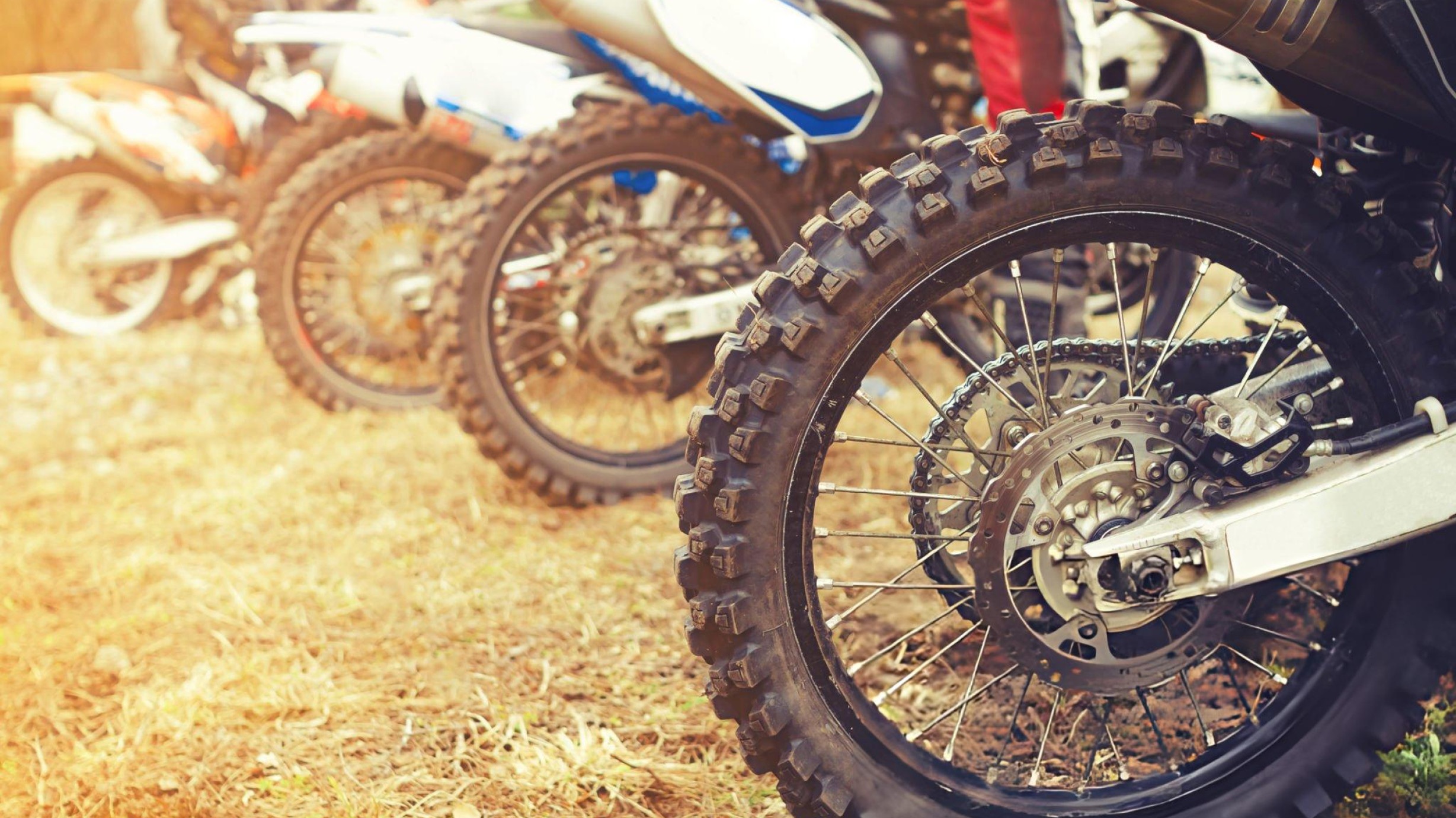
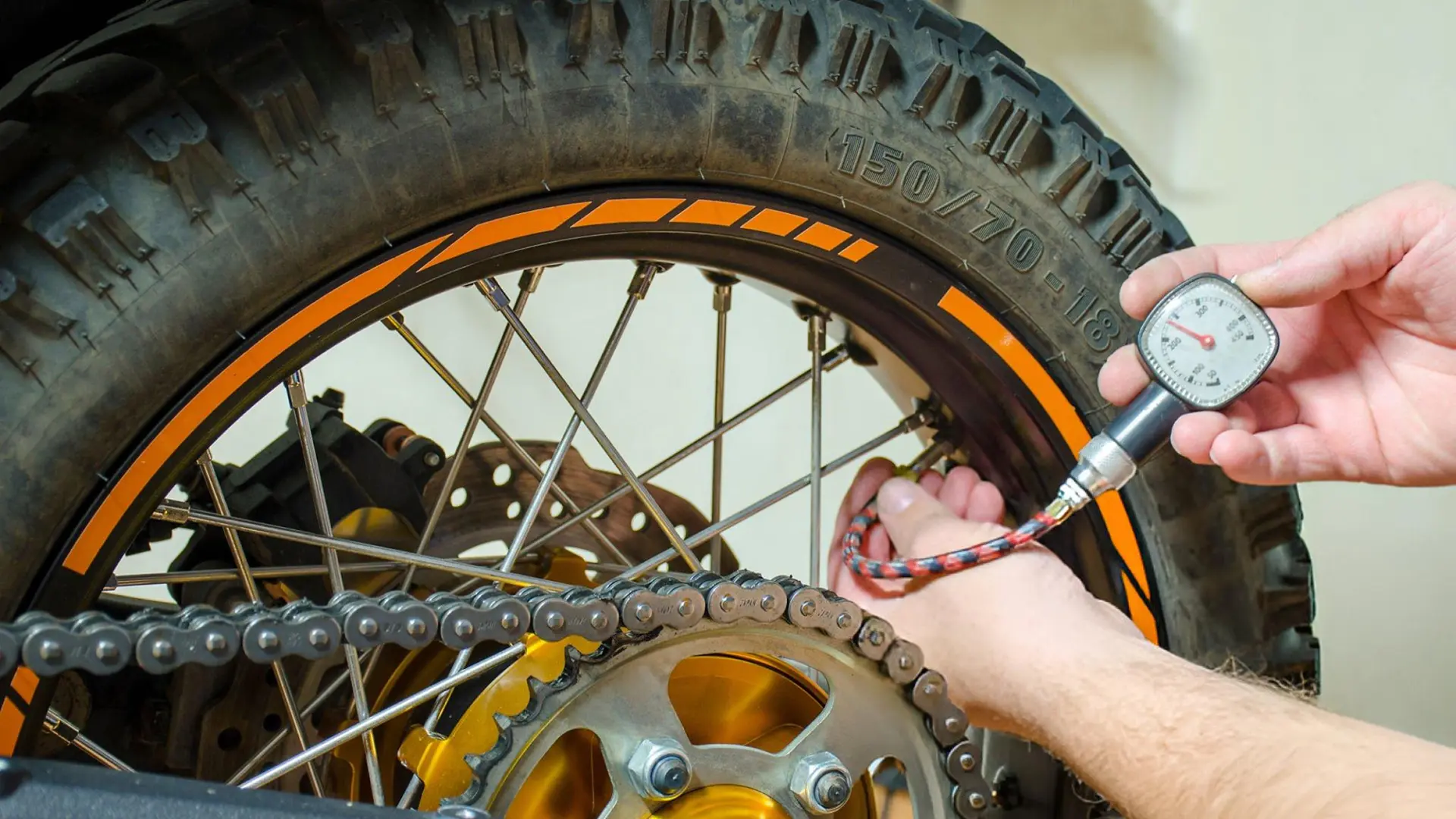
Tire pressure is one of the few overlooked factors when it comes to bike performance and safety. Having the right psi for dirt bike tires is not just the best way to enhance the latter, but also has a direct impact on the life of the tires, fuel consumption, and your own experience of the ride you get.
Although it is important, it seems that several riders, more particularly the novices, are uncertain about the correct tire pressure for dirt bike riding. In this blog, we have covered all information regarding dirt bike tire psi and how to make the right decision.
PSI (Pounds per Square Inch) is the standard unit to measure air pressure inside your tires. The correct psi dirt bike tire level is essential for several key reasons:
To get the maximum and optimal performance out of your ride, try to maintain the right air pressure for dirt bike tires.
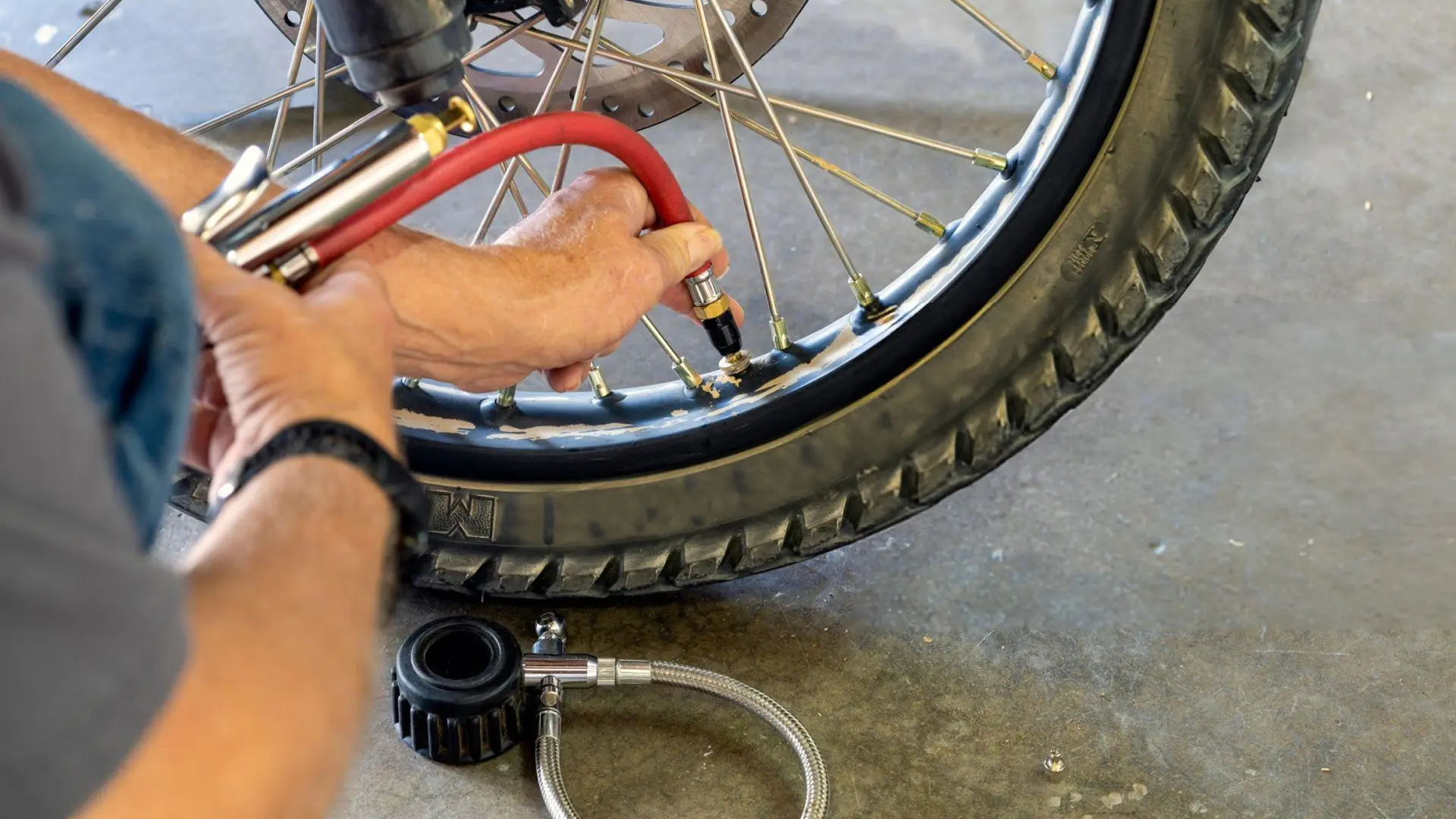
The ideal dirt bike tire pressure depends on various factors like terrain type, riding style, rider weight, and tire construction. However, some general guidelines apply to most scenarios. Let’s break down each one of them:
The front tire typically carries less weight but is critical for handling and cornering. For average riders:
The ideal dirt bike front tire psi might vary slightly depending on the tire brand and internal construction.
Rear tires take more load and are responsible for propulsion. Recommended pressures include:
A well-maintained dirt bike rear tire psi supports better control during acceleration and braking.
Heavier riders require higher PSI to prevent tire deformation:
Adjust your dirt bike tire psi if you’re carrying tools, water, or gear, especially in enduro racing or long trail rides.
Terrain plays a massive role in determining the right PSI. Different surfaces demand unique traction and shock absorption characteristics.
For rough trails and enduro racing, lower PSI improves grip and absorbs impacts:
Motocross riding involves jumps, berms, and high-speed corners. A slightly higher PSI provides the needed firmness:
Assessing the risks based on your terrain ensures better longevity and control of your psi for dirt bike tires.
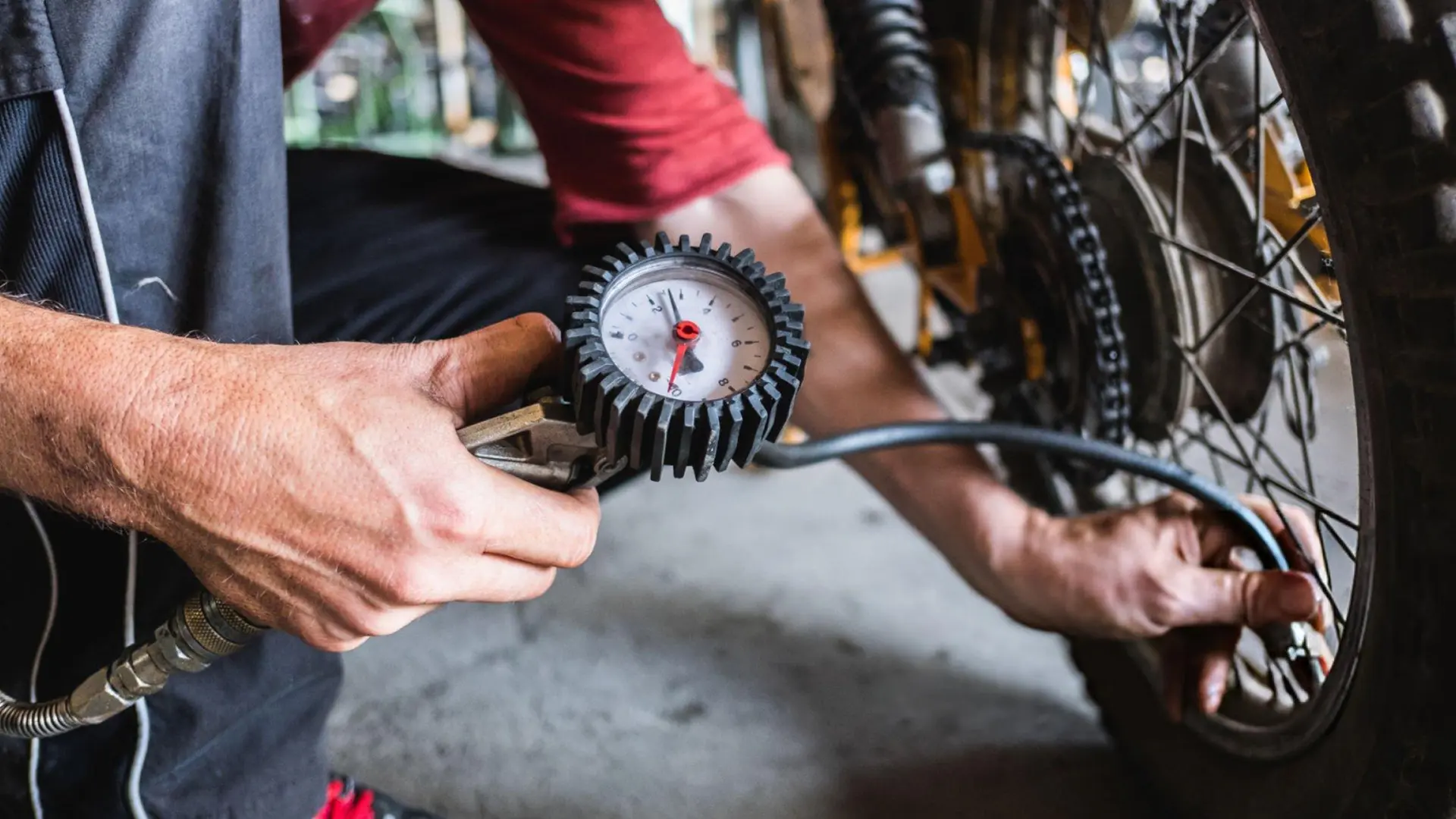
Maintaining the correct psi dirt bike tire level is easier than most riders think. However, precision matters.
Make sure you thoroughly understand how to check tire psi accurately. This way, every ride is optimized for performance, grip, and control.
Choosing the wrong psi for dirt bike tires can be both costly and dangerous. Many myths persist about tire pressure for dirt bike riding. Let’s debunk a few:
Here’s a quick guide for setting your optimal PSI based on your use case:
| Scenario | Front Tire PSI | Rear Tire PSI |
| Recreational Trail | 11-13 PSI | 12-14 PSI |
| Enduro Racing | 11-12 PSI | 12-13 PSI |
| Motocross | 13-14 PSI | 13-14 PSI |
| Heavy Load Touring | 13-15 PSI | 14-16 PSI |
These ranges offer a baseline; always consult your tire manufacturer’s specs as well.
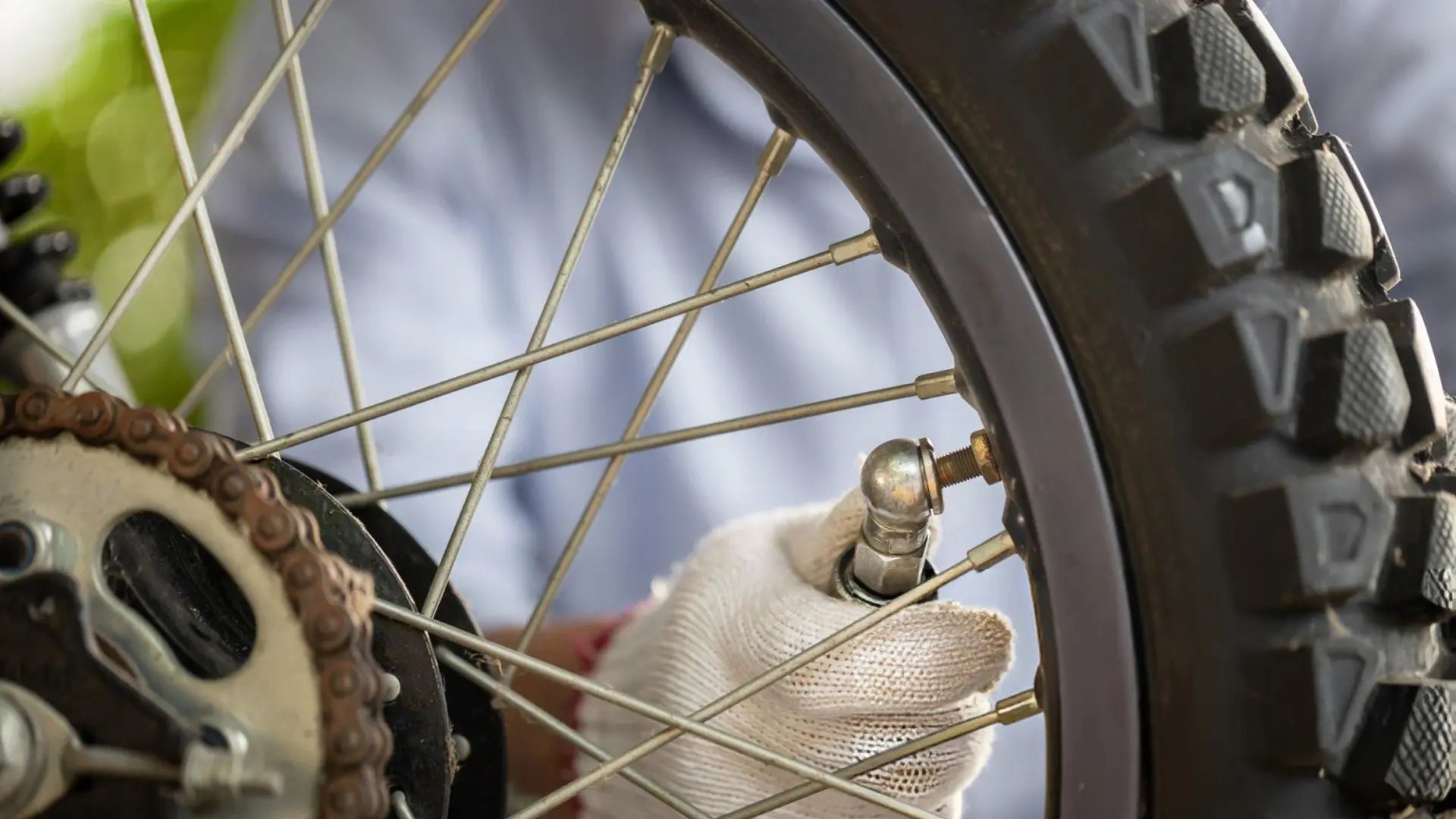
The correct dirt bike tire PSI has a ripple effect on a number of things:
It’s important to choose the tires that serve your PSI requirements. That’s why you must understand How to Choose the Right Tire for Every Terrain. Here’s a quick overview:
In professional settings, PSI optimization includes adjusting pressure based on lap data, weather forecasts, and terrain analysis. Teams may also use nitrogen inflation for more stable pressure and monitor PSI in real-time using onboard sensors to make fine adjustments during pit stops.
Looking for high-performance dirt bike tires and accessories for every setting? Explore the wide range of accessories and parts options we provide.
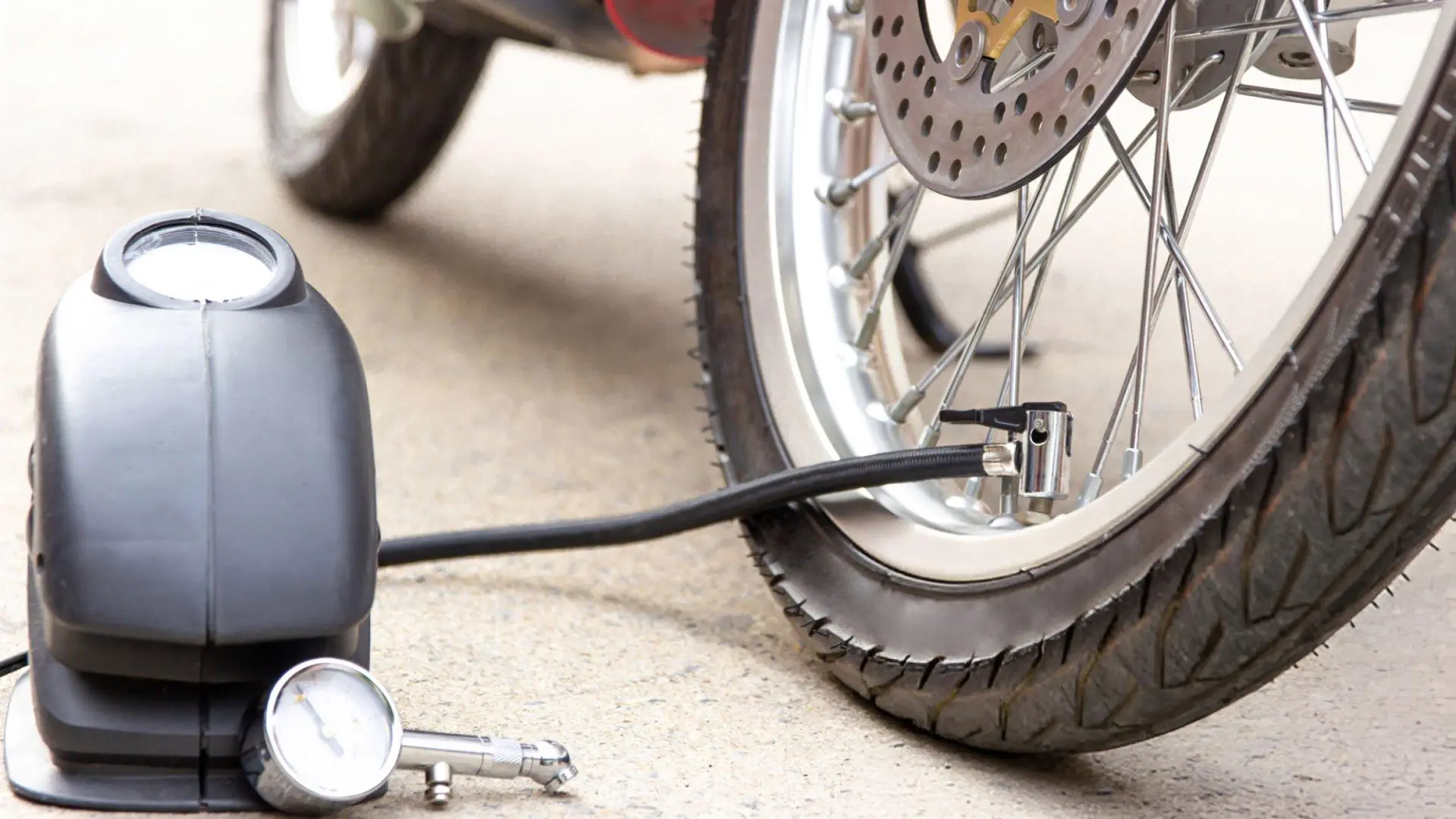
Regularly checking psi for dirt bike tires is non-negotiable for safe and high-performance riding. Whether you’re a casual rider or an enduro racer, understanding your tire’s air pressure needs enhances your experience and protects your equipment.
With Apollino’s premium tire solutions and expert support, you can ride with confidence knowing your dirt bike tire PSI is optimized.
Apollino provides custom solutions to dealerships, rental companies, and racing teams. Our advisers assist in purchasing the perfect tire, PSI tracking devices, and seasonal upkeep packages.
Being a trusted dirt bike supplier, we will make sure that they are shipped fast, offer bulk buying prices, and provide consultation. Get in touch with us to find out our services and packages, as well as our private labeling terms for businesses, brand owners, and dealers.
Overall, 10-12 PSI is the most traction in any dry sand setting. This reduction in pressure enables the tires to be flatter thus, giving them a larger surface area and enables your bike to simply float on the soft sand as opposed to pushing down into it.
Inspect your PSI prior to any ride. Dirt bike tires are very prone to environmental fluctuations, such as temperature and altitude, that can lead to minor yet very important changes in the pressure that influence the performance.
Car gauges are typically less accurate for low-pressure ranges. Dirt bike tires usually have a pressure of 10-15 PSI, hence, the highly-reliable bike-specific pressure gauge (digital and low-pressure gauge) is the best way to go.
Rear tires handle more of the bike’s weight and propulsion, requiring slightly higher PSI than the front. Corresponding PSI with load distribution guarantees superior handling, balance, and wear protection.
Low PSI may cause too much flexing, causing heat build-up, and pinch flats. It also poses more danger of damaging the rim on rocky or hard surfaces. Never exceed or go below the recommended PSI with your tires.
 Get in Touch