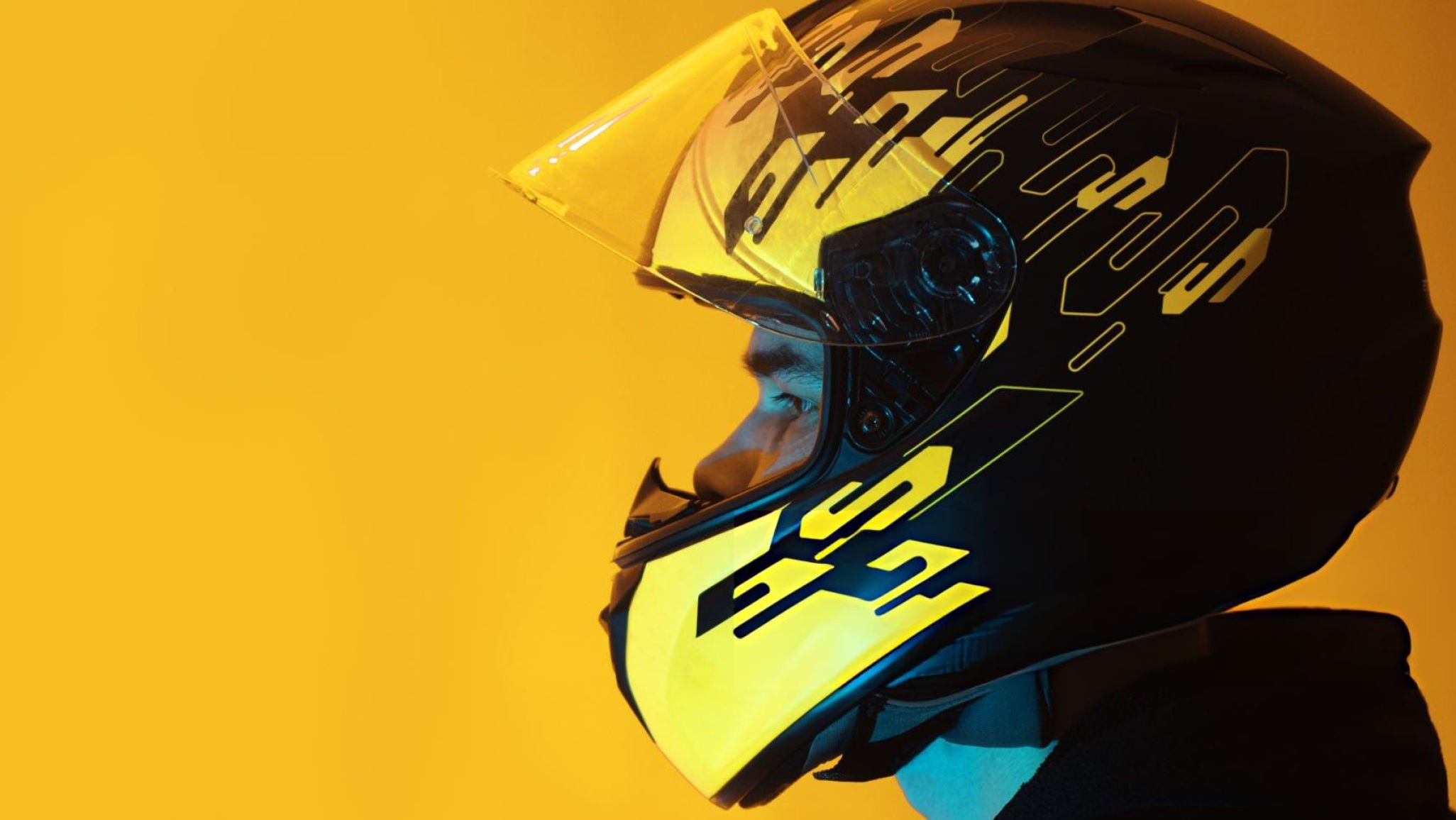
Selecting the right size of motorcycle helmets matters in terms of the safety of the rider, comfort, and legality of the helmet. The perfectly fitting helmet guarantees effective protection with the minimal possibility of injury being incurred in a crash. No matter if it is a commuter or weekend traveler, each rider will enjoy a custom-fit helmet that matches their custom measurements.
This extensive guide to motorcycle helmet sizing will take you through all that you should know, including how to get the proper measurements of your head, reading sizing charts, and figuring out how to find a good fit on each type of motorcycle helmet. Even if you’re new to riding, this guide helps to make a more informed and safe choice of a motorcycle helmet.
A properly fitted helmet helps you feel comfortable and saves lives at the same time. Here’s how:
A helmet that is excessively tight could lead to pressure points, headaches, and tiredness. On the other hand, a loose helmet might move to another position in a cycling posture. In the worst case, it could come off in a crash. Mis-sizing causes:
The National Highway Traffic Safety Administration (NHTSA) reports that head injury remains one of the greatest causes of death due to motorcycle crashes. Likewise, the SHARP testing organization in the United Kingdom indicates that the helmet fit has a direct impact on the protective capabilities of the helmets during road crashes.
Understanding motorcycle helmet measurements begins with knowing what exactly is measured and how different designs affect sizing.
The primary measurement used in helmet sizing is head circumference. This is because helmets are engineered to cradle the skull, especially around the forehead and back of the head areas.
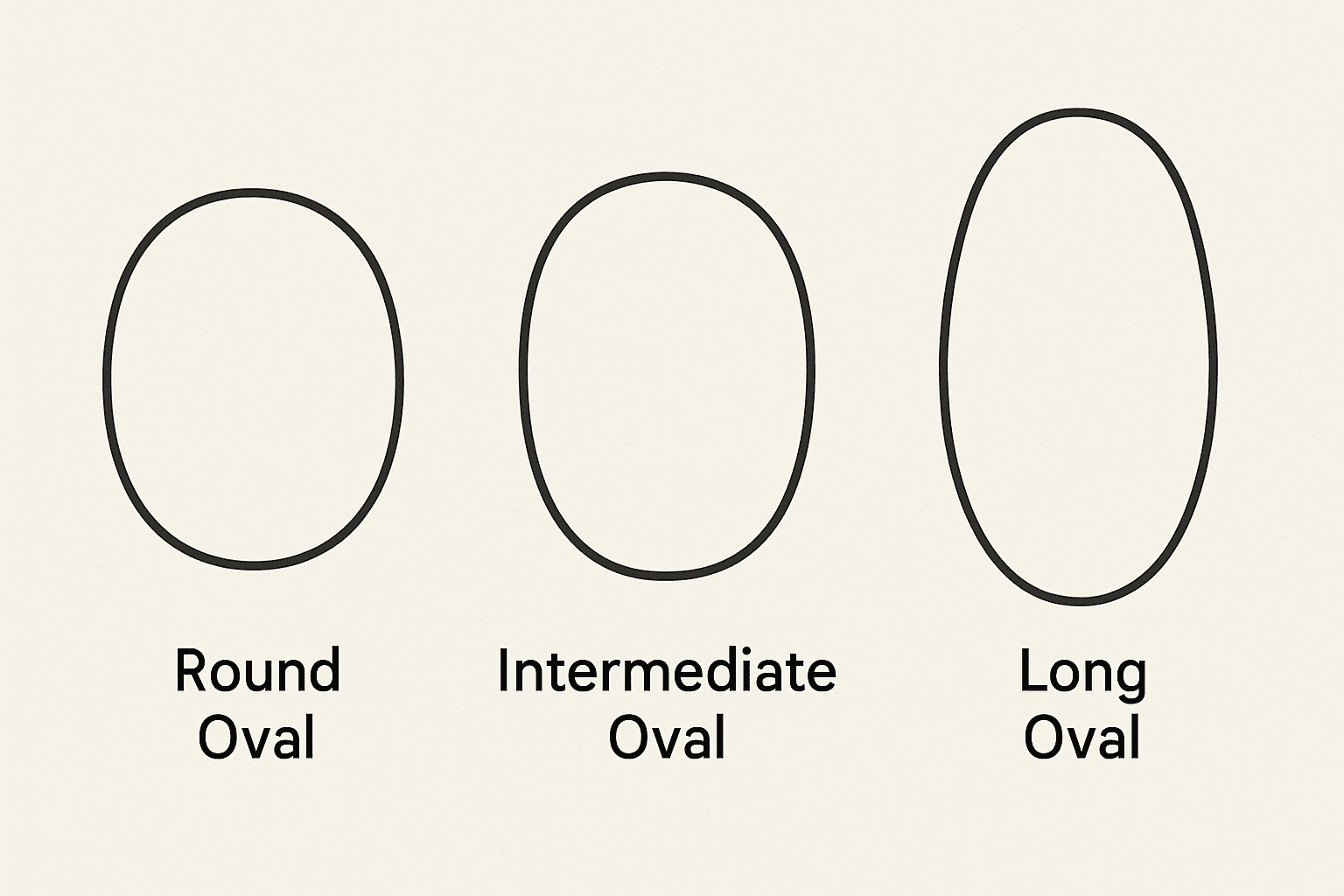
Another critical factor is head shape. While most people fall into one of three head shape categories, each brand might design their helmets with specific shapes in mind:
Full-face helmets offer the most protection but are usually more snug, especially around the cheeks and jawline. These require precise sizing to ensure comfort and safety.
These helmets cover the top and sides of the head but leave the face exposed. They tend to be more forgiving in fit but still require a snug crown fit.
A hybrid of full-face and open-face, modular helmets allow the chin bar to be flipped up. While convenient, they require careful size selection due to moving parts.
Sizing standards vary by region:
Refer to the manufacturer’s conversion chart when shopping internationally.
Accurate measurement is crucial to finding the right helmet fit. Follow this step-by-step guide:
You’ll need:
Using rigid tape measures or guessing head size based on hat sizes can lead to incorrect results.
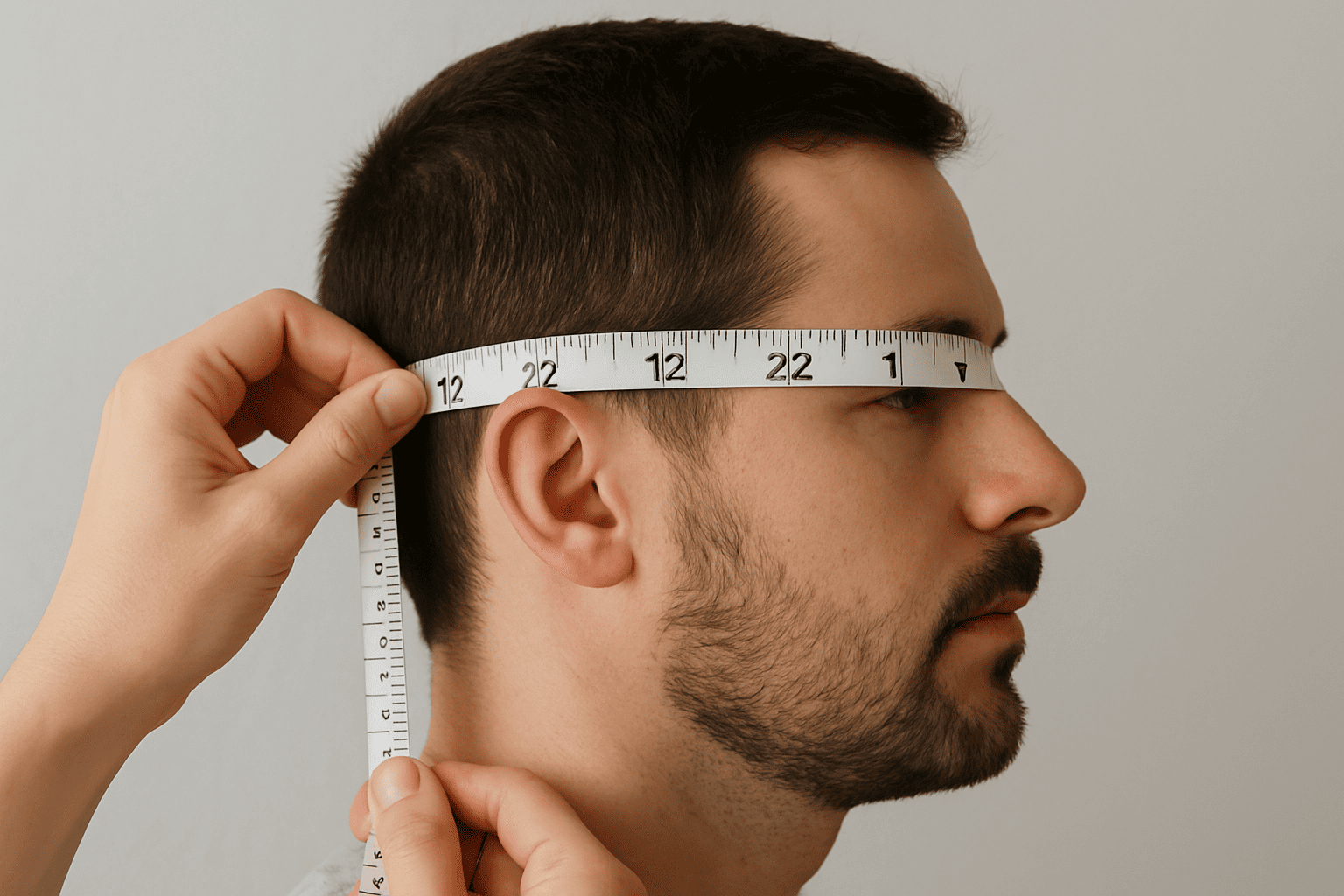
Wrap the soft measuring tape around the widest part of your head, typically about 1 inch (2.5 cm) above your eyebrows, and around the back of your head at its widest point. Keep the tape level all the way around.
Repeat the measurement a few times to ensure consistency. Round up slightly to the nearest whole number.
There are three basic shapes:
Some helmets are specifically designed for these shapes, and choosing the right one reduces pressure points and hot spots.
Motorcycle helmet size charts convert your head measurement into size labels (S, M, L, etc.). Each brand may use slightly different measurements, so always refer to the brand’s official chart.
Different brands use different internal shapes and padding densities, meaning a Medium in one brand may fit like a Small or Large in another.
Also, note that regional sizing differences exist. For example, a size Large in EU sizing may differ slightly from its US counterpart.
| Head Circumference (cm) | US Size | EU Size | Age Range |
| 50 – 52 | XS | 52 | Child (5-7 years) |
| 53 – 54 | S | 54 | Child (8-10 years) |
| 55 – 56 | M | 56 | Teen/Adult |
| 57 – 58 | L | 58 | Adult |
| 59 – 60 | XL | 60 | Adult |
| 61 – 62 | XXL | 62 | Adult |
For dirt bike riders, check out our upcoming blog on “How Many Gears Do Dirt Bikes Have” for more off-road gear insights.
Men and women often differ in head shape and facial structure, which can affect fit. Women may prefer helmets designed with smaller shell sizes, lighter weight, and different padding contours.
Children’s helmets must meet the same safety standards but offer better adjustability. Never size up too much “to grow into” as this reduces protection.
sizing tends to be true to the European standard (centimeter-based), so measure your head in cm and compare directly to their provided charts. Box helmets may have a narrower fit, ideal for intermediate to long oval head shapes.
A helmet should feel snug but not painful. It should remain firmly in place without excessive movement. Look for these signs to check what a perfect fit feels like:
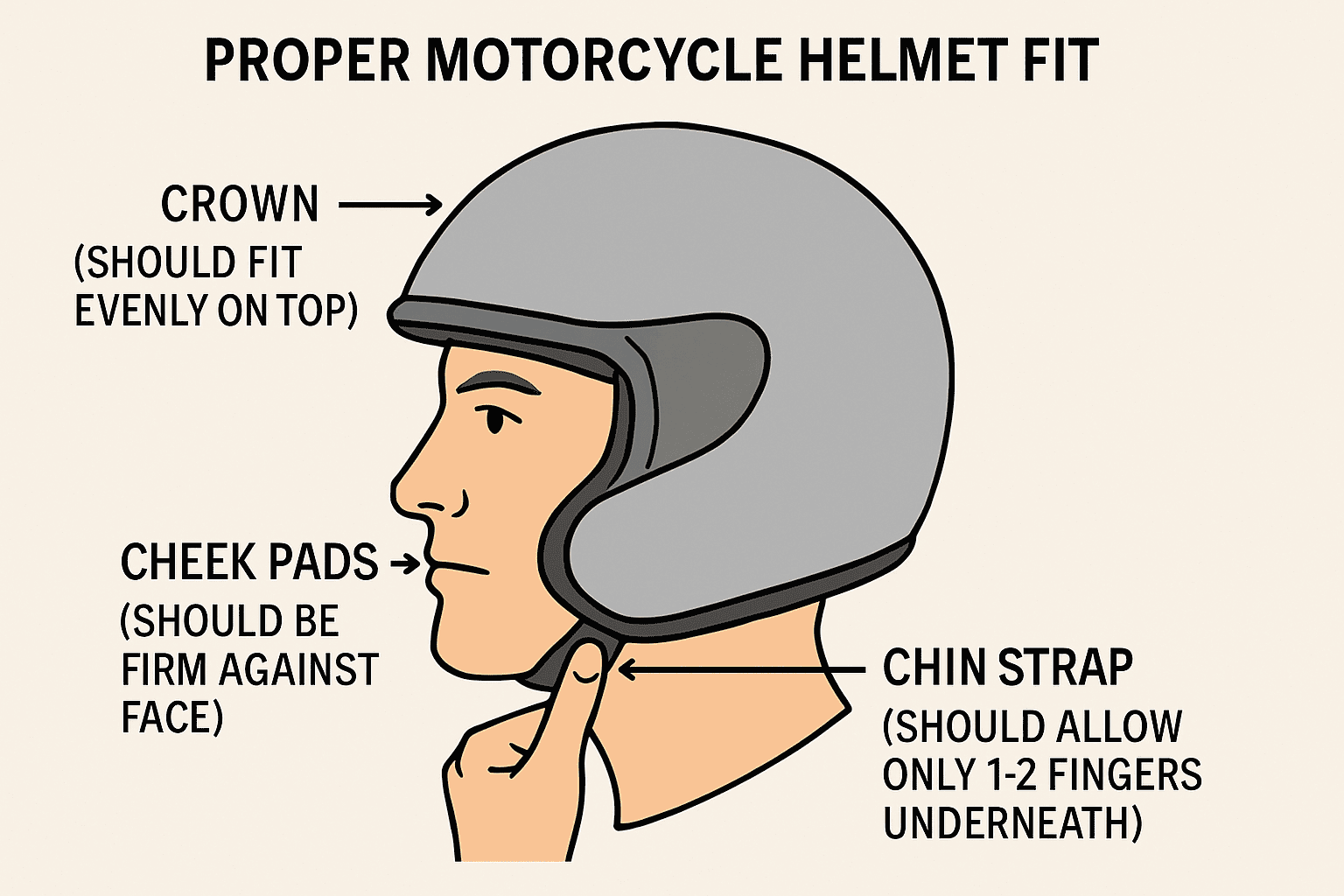
Check these areas for to ensure a perfect fit:
Should feel firm and allow minimal movement. They will soften over time.
Should fit evenly on top with no gaps or excess pressure.
Should fit under your chin with room for one or two fingers. Should not come undone during motion.
Helmets’ lining generally loosens by 5-10% after a few hours of use. This is due to the natural compression of the inner liner, which molds to the contours of your head over time. The liner materials, often made from EPS foam and comfort padding, gradually adapt to your unique shape, improving comfort without compromising safety.
The break-in period typically lasts between one to three weeks of regular riding depending on how often it’s used. During this time, you may notice the helmet feeling snug at first, then slightly more comfortable as pressure points ease. This change is normal, but you should never size up in anticipation. An initial snug fit makes sure the helmet remains secure after the liner settles.
If the helmet slides when you shake your head or presses too hard against your forehead, it’s likely the wrong size or shape.
Even the best helmets may require slight modifications for a perfect fit:
Certain riders have unique needs when selecting and fitting a motorcycle helmet. Here’s how to ensure a snug fit for those with unique or special situations such as riders with glasses or unusually long hair:
For riders who wear glasses, comfort and safety depend on finding a helmet that accommodates frames without creating pressure points.
Long hair, thick braids, or unique hairstyles can affect helmet fit and comfort.
Avoid these common issues when selecting the size of your motorcycle helmet:
Selecting the best size of the motorcycle helmet is more than a question of comfort but safety and conformity. Helmets that are properly fitted allow easy riding, no matter the age and level of skills.
Apollino provides thorough sizing charts and size guides for motorcycle gears to ensure a snug fit for all types of riders. Beyond that, we also provide a wide range of dirt bikes for retailers, dealers, and brand owners.
Accurate measurement is important. So, look up our motorcycle helmet size chart, and select quality bike gear from Apollino.
 Get in Touch