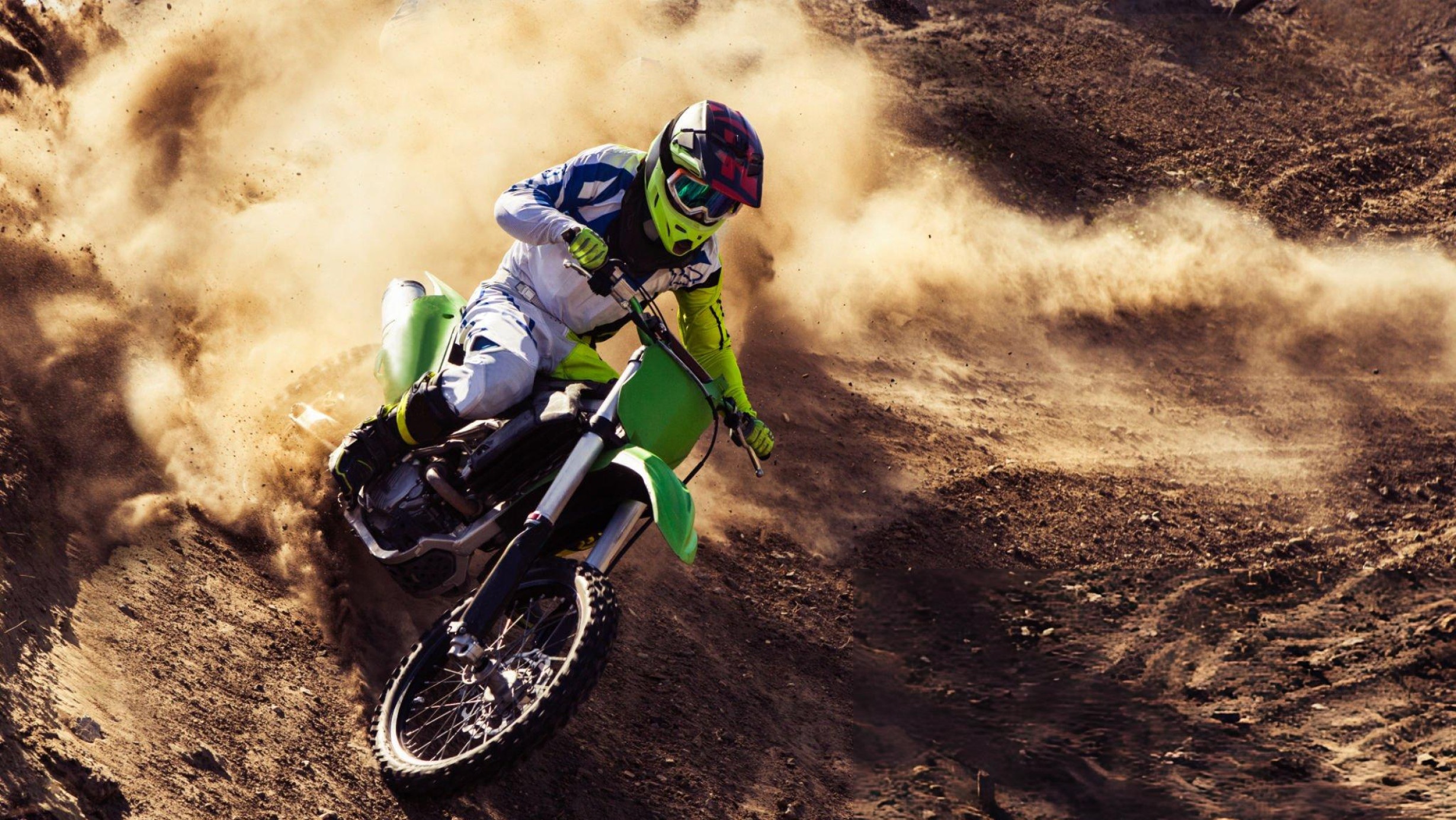
In the high-octane world of motocross and dirt bike racing, getting off the line fast can make or break a race. Riders line up shoulder to shoulder at the start gate, and the first through the apex, known as the “holeshot,” often dictates the final outcome. That’s where the motocross holeshot device comes into play.
The Motocross Holeshot Device is a precision mechanical tool designed for faster, more controlled launches in racing. This blog explains everything you need to know about a Holeshot device, it’s working, features, installation, and a lot more. So, let’s get started:
What is a holeshot? In motorsports, the holeshot refers to the rider who crosses through the first turn first, gaining an early advantage that often sets the tone for the entire race. In motocross and dirt bike competitions, where passing is tough on tight, dirt-strewn tracks, the holeshot can determine podium placements.
In the context of mountain biking, “holeshot” also refers to nailing the start, though without a mechanical device, riders rely solely on body positioning, traction, and technique to launch cleanly.
In drag racing, a “hole shot” refers to the raw start performance, top-end acceleration and reaction time off the line. In motocross, however, it’s about controlling wheelies and maximizing traction, making a holeshot device pivotal for a better launch.
A motocross holeshot device is a mechanical system that compresses and locks the bike’s front suspension at the start line. This setup keeps the front wheel planted as the gate drops, reducing wheel lift and enabling more aggressive throttle application.
Also known as hole shot devices or sometimes spelled “whole shot device,” these systems include versions like the Works Connection Pro Launch, spring-loaded units, or newer magnetic models, each achieving the same goal through different means.
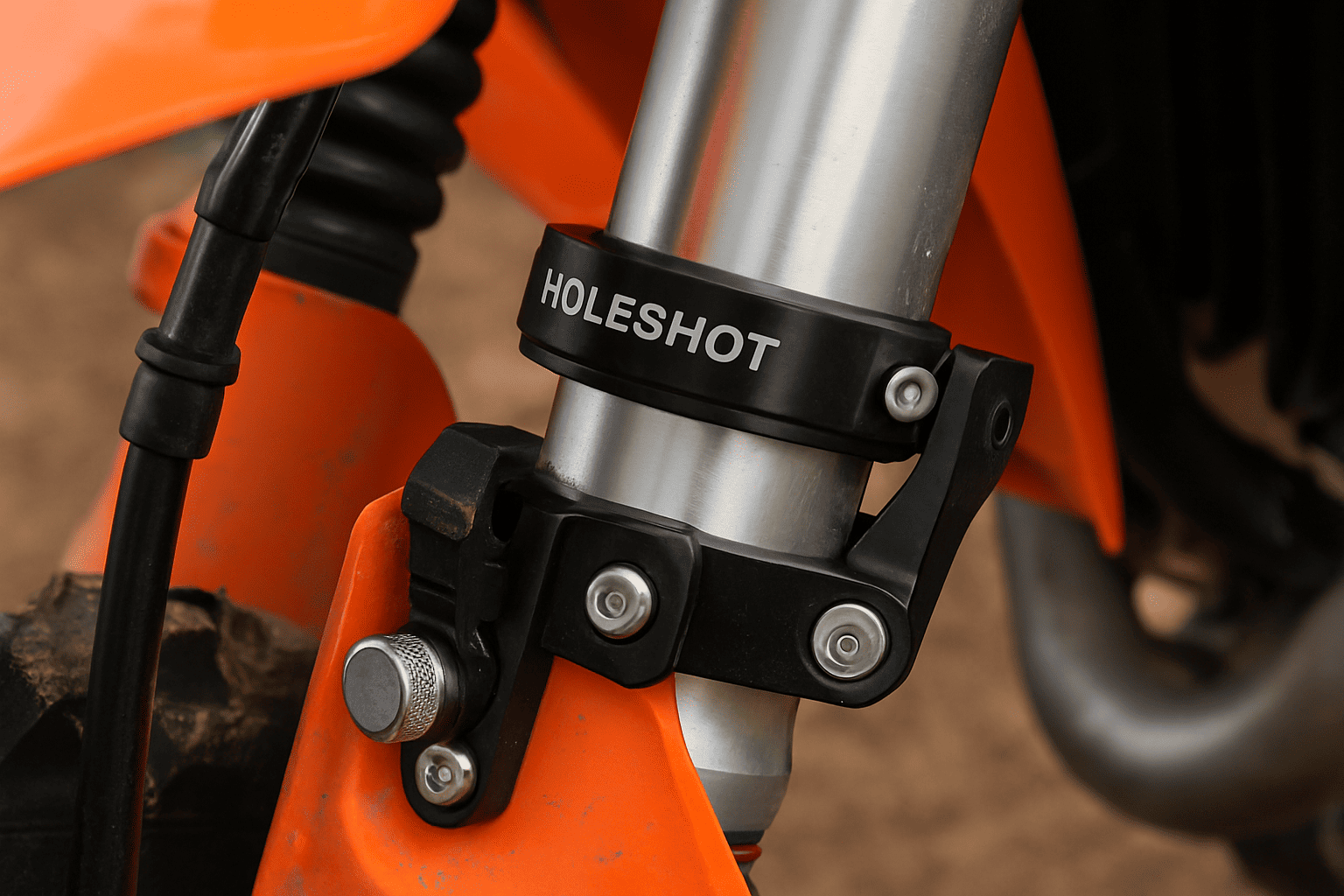
A holeshot device works by temporarily locking the front suspension in a compressed position to improve stability, traction, and acceleration during a motocross start. Here’s the complete mechanism:
A typical holeshot device comprises a collar around the fork tube and a latch or button on the fork guard. Riders compress the front forks (often with assistance), engaging the latch. Upon acceleration at gate drop, the forks extend, and the latch retracts, freeing the suspension.
In magnetic designs, like the Works Connection Pro Launch 2.0, the collar locks into place with a magnet rather than a spring, offering lighter weight, improved consistency, and reduced risk of mid-race engagement.
When the start gate drops, a compressed front end enables riders to hit full throttle while maintaining stability. The device automatically releases when the suspension compresses. It happens either as the rider hits the brakes going into the first turn, navigates a bump, or when suspension rebounds, restoring full travel immediately.
Spring-based units use a mechanical pin pushed by a button. Once the forks reach a set point, the spring retracts the pin. Modern magnetic or lever designs release more smoothly and with less maintenance.
While dirt bike holeshot devices focus on front suspension locking, MotoGP versions often lower the rear ride height electronically or hydraulically to enhance launch control.
Many versions exist, from factory-level racing models to aftermarket kits. Here are some popular variants:
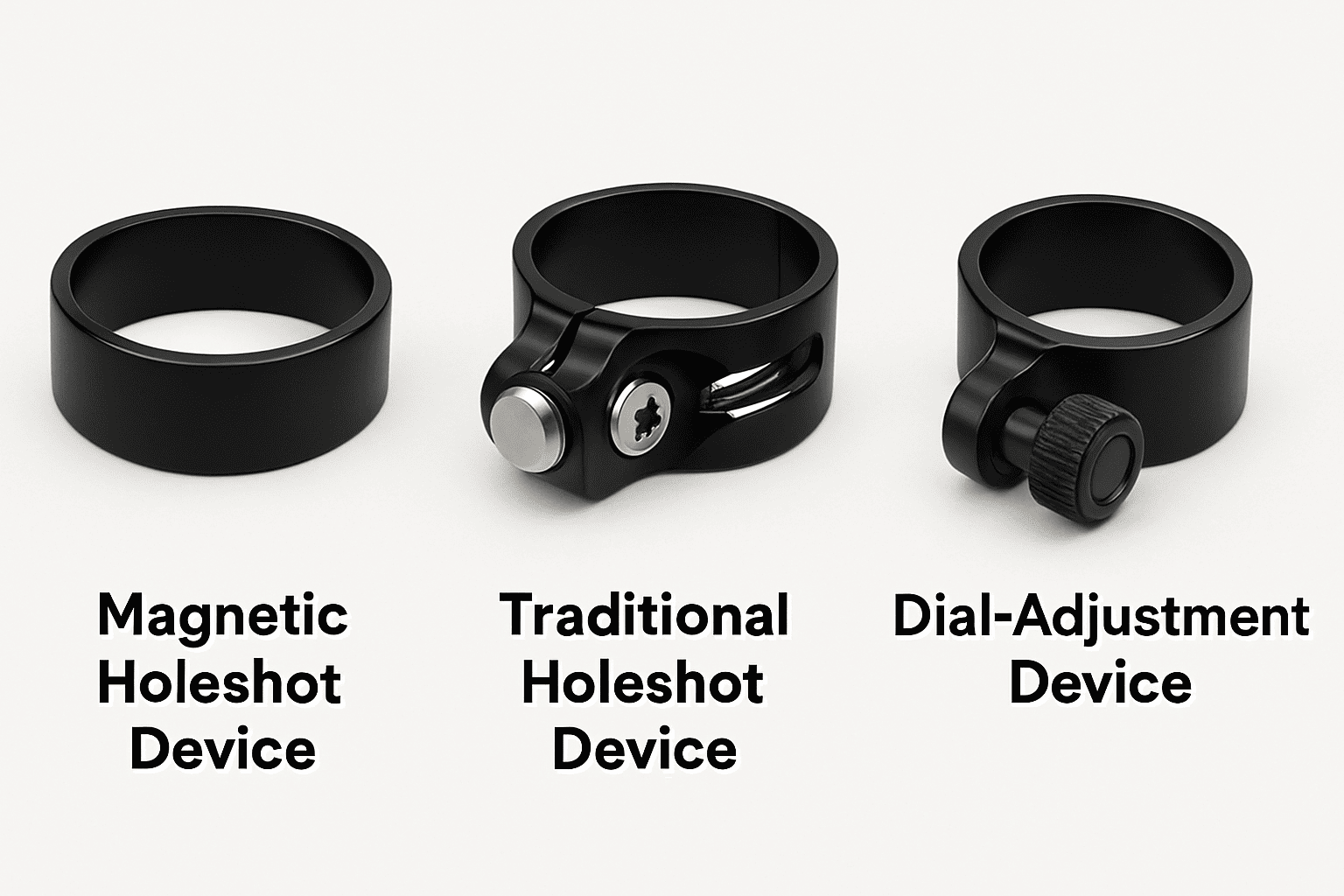
When evaluating motocross holeshot devices, racing teams should focus on these critical aspects that influence performance, rider experience, and long-term reliability:
The engagement method determines how the device locks and releases under race conditions. Magnetic designs, such as the Works Connection Pro Launch, offer smooth, tool-free operation and reduced risk of mechanical binding.
Spring-button units are cost-effective but require more physical force to engage, and twist-dial models like the SELA system provide adjustable compression settings for different riders and terrains.
Weight matters in motocross. Lighter devices like magnetic holeshot systems reduce the bike’s unsprung mass, which can improve handling and suspension response. Heavier spring-loaded systems may offer ruggedness but can slightly affect suspension rebound characteristics, especially over rough terrain.
Some models come with drilling templates and alignment tools to ensure precise installation, saving workshop time and reducing the margin for error. Others, particularly older spring-button designs, require manual measurement and alignment, which can extend setup time and introduce inconsistencies if not installed by an experienced mechanic.
Reliability is the ultimate test for any holeshot device. Magnetic locking systems are generally more resistant to dirt contamination and accidental re-engagement mid-race. In contrast, spring mechanisms can be more vulnerable to debris and wear over time, especially in muddy or sandy track conditions.
Holeshot devices offer tangible performance benefits for professional racing contexts:
When the start gate drops, the initial surge of power from a high-revving dirt bike often causes the front end to lift or wander. By locking the front suspension in a compressed position, the motocross holeshot device physically lowers the bike’s center of gravity.
This has two benefits: Directional stability, where the front wheel stays planted, and Shock absorption balance, where compressed forks prevent excessive front-end rebound.
For professional teams, this stability means riders can commit to full throttle immediately without worrying about being thrown off line.
Controlling a dirt bike at full acceleration involves a delicate dance between throttle, clutch, and body weight distribution. Without a holeshot device, riders often have to lean forward aggressively and modulate the throttle to keep the front wheel down.
With a dirt bike holeshot device engaged, the rider’s workload decreases. The device physically counteracts wheel lift, meaning the rider can focus on:
The wheel lift is essentially lost forward motion. Every degree the front tire is off the ground translates to power not being used to push the bike forward. A motocross holeshot device solves this by maintaining maximum rear-wheel traction for a longer duration during launch. From a mechanical standpoint, the compressed front forks transfer more load to the rear tire, increasing its contact patch with the dirt. This added grip lets riders apply more power earlier without fear of looping out.
In motocross, the difference between winning the holeshot and being trapped behind a competitor can be less than a tenth of a second. Those milliseconds affect not just immediate race positioning but the entire strategy.
Leading from the front allows for cleaner lines, fewer overtakes, and reduced crash risk. A properly set up motocross holeshot device enables teams to:
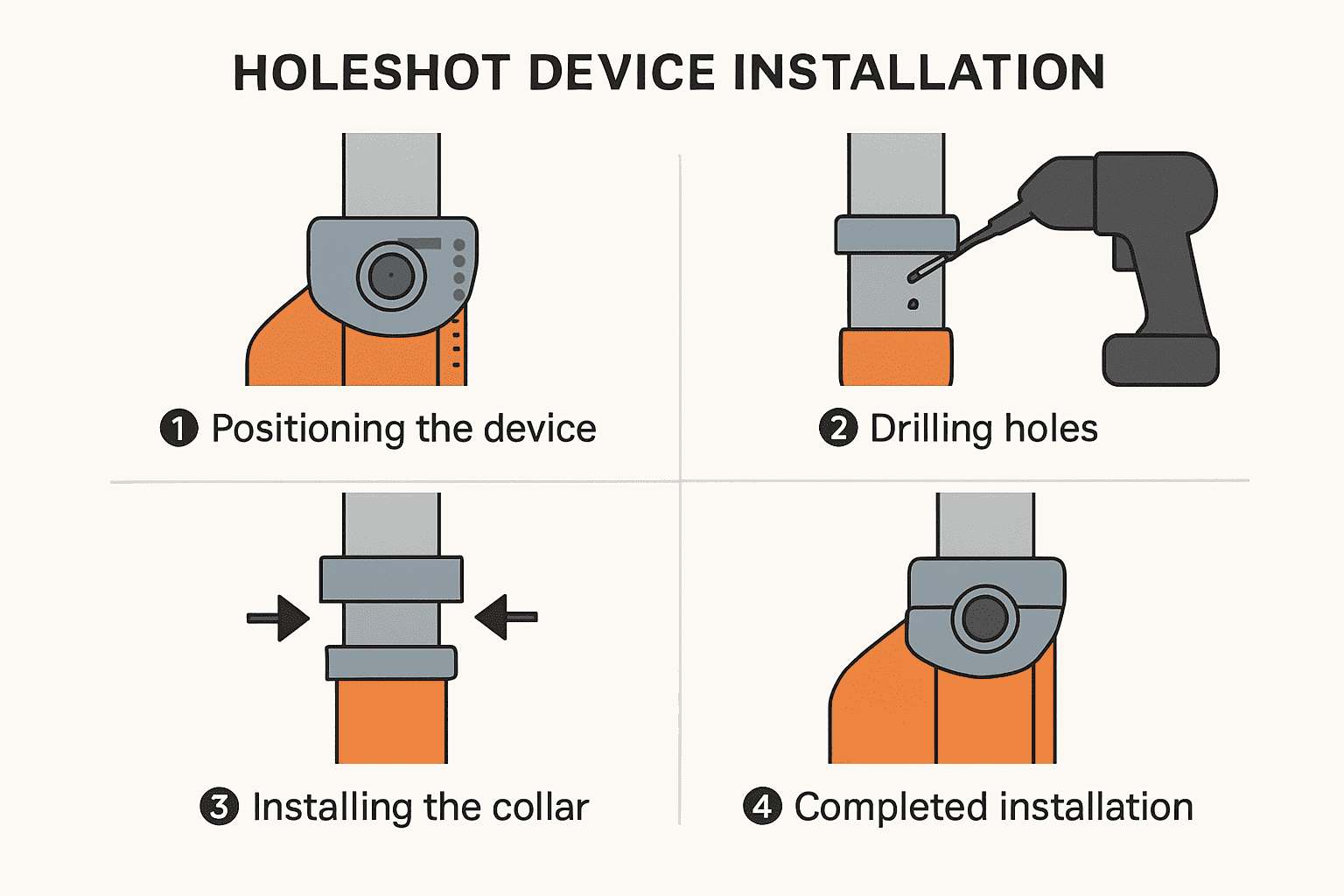
If you want to install a holeshot device by yourself, here’s a quick DIY method you can follow:
A basic toolkit often suffices, which includes:
When using a holeshot device, these are the seven key issues you need to watch out for:
A holeshot device is especially valuable for Pro riders and racers aiming for consistent, repeatable starts. Additionally, they’re also applicable in training schools, where controlled launches help students learn. Bike part retailers and workshops can also offer installation and tuning as a value-added service.
Integrating the device with suspension tuning and other mods (tire pressure, launch control settings, body positioning) amplifies its effectiveness. For resellers or workshop owners, offering installation, templates, and maintenance services can drive professional credibility.
Considering a partnership with a well-established brand? Join hands with Apollino to access premium holeshot devices, training support, and bulk pricing. Boost your inventory and service offerings with Apollino.
A holeshot device is a mechanical launching aid that compresses and locks the front suspension of a dirt bike at the start, improving traction, reducing wheelies, and delivering more consistent races.
Choose a device suited to your needs, magnetic systems offer reliability and light weight, while spring models may be more budget-friendly. Pair with launch control, rider technique training, and suspension tune-ups for maximum effect.
Contact Apollino today for dealership inquiries, product quotes, and to join our race-gear network. Empower your team with racing gear that wins, starts, and races.
A motocross holeshot device locks the front suspension in a compressed state at the start to reduce wheel lift. This helps improve traction, control, and acceleration out of the gate.
Most modern holeshot devices are designed to fit a wide range of dirt bikes, but compatibility can vary. It’s important to check the manufacturer’s specifications for your bike model.
Installation difficulty depends on the brand and design. Magnetic and template-assisted systems are usually quicker to fit, while spring-button versions may require more precise manual alignment.
Yes, but performance can vary depending on terrain. Mud, sand, and debris can affect some mechanical designs, so regular cleaning and maintenance are recommended for consistent results.
 Get in Touch